
Home › Forums › DTF Printer Hub › Why the Powder Shaker Matters More Than the Printer
- This topic is empty.
-
AuthorPosts
-
1 April 2026 at 5:42 pm #1049
Dowinsss
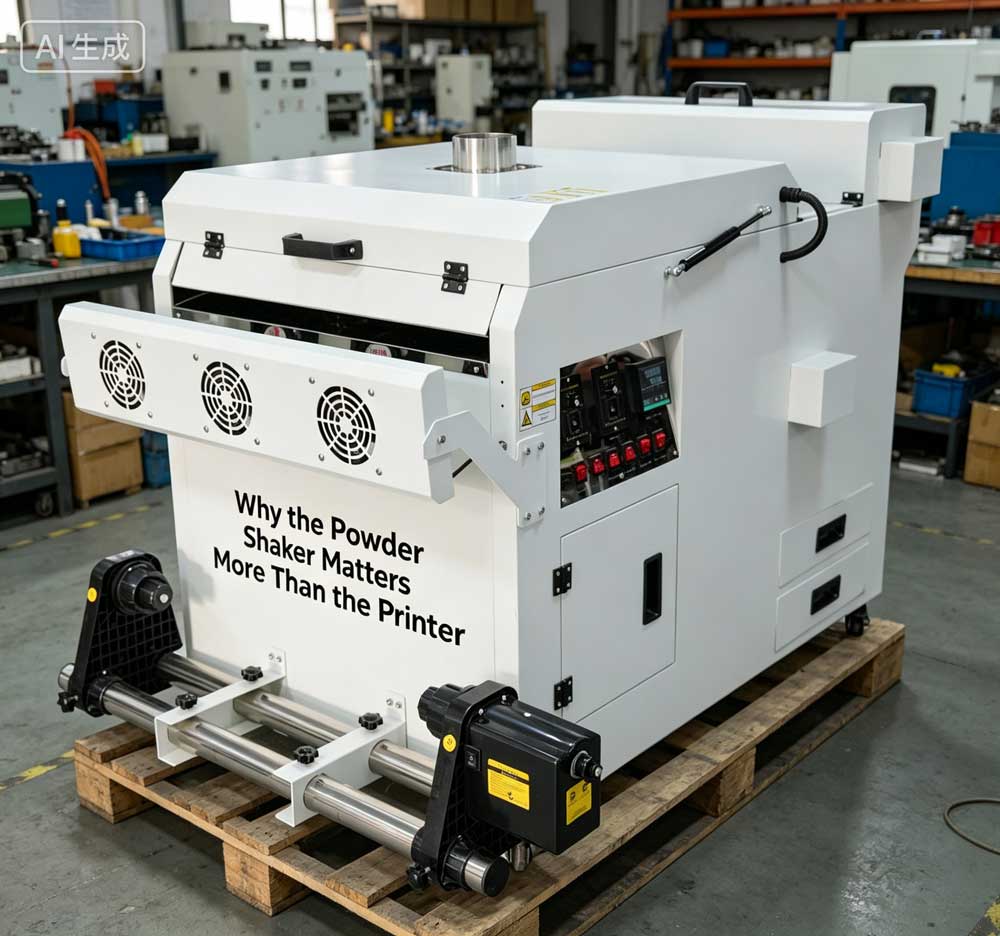
KeymasterWhen it comes to Direct-to-Film (DTF) printing, there’s a common misconception that the printer is the central piece of the puzzle. The reality, however, is that while the printer plays a vital role in creating high-quality prints, the unsung hero of the DTF process is the powder shaker. Far too often, the powder shaker is overlooked, yet it has a far more significant impact on the final product than many realize. In fact, I believe the key to success in DTF printing lies not in the printer but in the consistency and precision of the powder shaker.
Understanding the Powder Shaker’s Role in DTF Printing
The DTF process is relatively straightforward: ink is printed onto a special film, followed by the application of a hot-melt adhesive powder that bonds the design to the fabric. While most people understand the importance of high-quality inkjet printers, it’s the powder shaker that truly ensures a durable, high-quality print.
The powder shaker’s function is deceptively simple – it applies a thin, even layer of adhesive powder over the freshly printed design. However, the intricacies of this step can make or break the quality of your end product. If the powder is unevenly applied or too thick, you’ll face issues like uneven transfers or unwanted texture. Too little powder, and the design may not adhere properly, leading to peeling or fading over time.
The reality is that the powder shaker has a profound impact on both the quality and longevity of DTF prints. Inconsistent powder distribution will not only undermine the durability of the print but will also increase the likelihood of failure in high-stress applications such as washing or exposure to sunlight.
Re-evaluating the Focus: The Printer Isn’t the Sole Player
There’s a pervasive myth that the printer is the cornerstone of DTF printing. It’s easy to see why: printers are responsible for laying down the design, and many of us are conditioned to think of printers as the be-all and end-all in printing technology. However, in my experience, I’ve learned that this is a shortsighted view.
Let’s take a step back and think about it: The printer might create a vibrant design, but it’s the powder shaker that ensures the design will actually stay on the fabric, hold its shape, and endure the rigors of daily use. Without an efficient, precise powder shaker, even the most advanced printer will deliver subpar results. The design might look fantastic when it’s first printed, but if the adhesive doesn’t bind properly, you’re left with a product that won’t stand the test of time.
Why Powder Shakers Are the Key to Consistency and Durability
As the DTF market continues to grow, there’s a glaring industry trend that demands attention: consistency is paramount. According to a study by Frost & Sullivan, one of the key drivers of growth in the digital textile printing market is the push for enhanced product durability. As consumers demand longer-lasting prints, businesses need to ensure their equipment delivers high-quality, long-lasting products.
This is where the powder shaker becomes indispensable. The powder shaker guarantees consistency in how the powder is applied across each print, ensuring uniform adhesion to the garment. This consistency translates to a more reliable, durable product that won’t fade or peel prematurely. Moreover, a well-calibrated powder shaker can help reduce waste, as it applies the exact amount of powder required for each design, minimizing excess material use.
From a personal standpoint, I’ve seen many DTF businesses focus too much on upgrading their printers and not enough on investing in the best powder shaker systems. I believe this is a misstep. Printer technology is continually advancing, but no matter how good the printer, if the powder shaker is inefficient, the entire process fails. In the competitive DTF landscape, businesses that prioritize the powder shaker over merely upgrading their printers will likely see better long-term returns in terms of customer satisfaction and repeat business.
The Impact of Data: Improving Powder Shaker Performance
We’re entering an era where data-driven decisions are making a major impact on manufacturing and production processes. In DTF printing, this means integrating sensors and software into powder shaker systems that can provide real-time feedback on powder distribution. With advanced data analytics, printers can track variables like humidity, powder thickness, and environmental factors, adjusting the powder shaker’s operation automatically.
According to Statista, the global market for smart manufacturing is expected to grow at a compound annual growth rate (CAGR) of 11.7% from 2020 to 2026. This trend highlights a growing reliance on data integration in manufacturing processes, including printing. By incorporating smart technology into the powder shaker, print shops can ensure consistent results and quickly adjust to changing conditions, optimizing the overall workflow.
The Future of DTF Printing: A Call to Rebalance Priorities
In my opinion, as DTF technology evolves, the industry must shift its focus. It’s time to stop treating the powder shaker as a secondary component and recognize its pivotal role in creating high-quality, durable prints. The powder shaker is just as important—if not more so—than the printer itself.
The growing demand for more efficient, sustainable, and durable printing solutions means that businesses must begin rethinking their investments. It’s not about just keeping up with the latest printer technology; it’s about recognizing that the quality of your DTF prints depends on a balanced, holistic approach to all the equipment in the process.
Conclusion: Elevating the Role of the Powder Shaker
In conclusion, the powder shaker is the unsung hero of DTF printing, and it’s time we give it the recognition it deserves. A good printer is nothing without a great powder shaker to ensure the designs last, adhere properly, and look pristine. As the DTF industry grows and matures, businesses that invest in high-quality, smart powder shakers will lead the pack in delivering superior products that satisfy increasingly discerning customers. It’s time for a shift in focus—from the printer to the powder shaker—and I’m confident this change will bring about lasting improvements in print quality, efficiency, and durability.
-
AuthorPosts
- You must be logged in to reply to this topic.