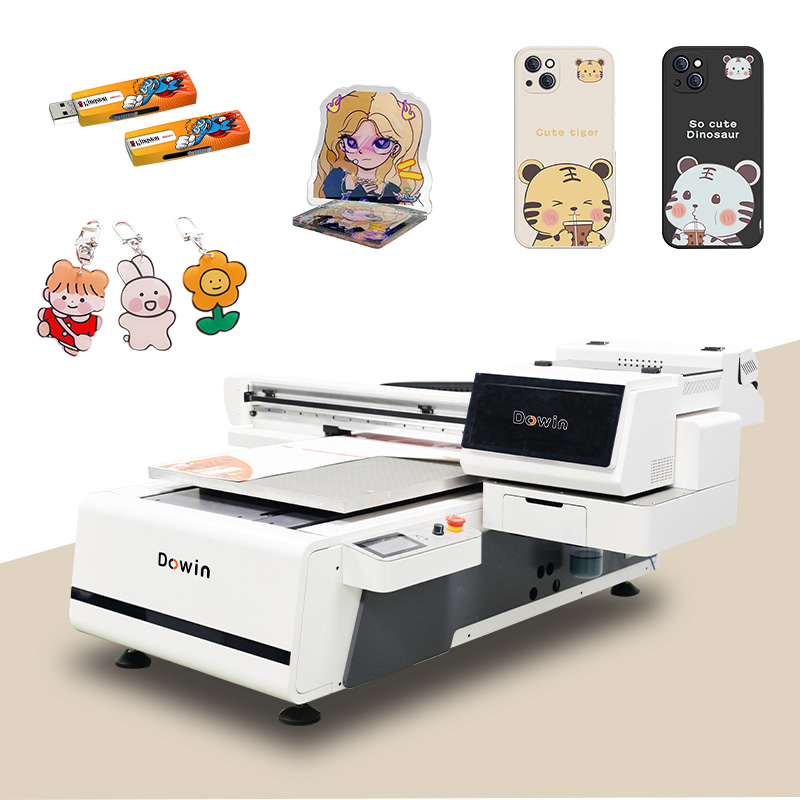
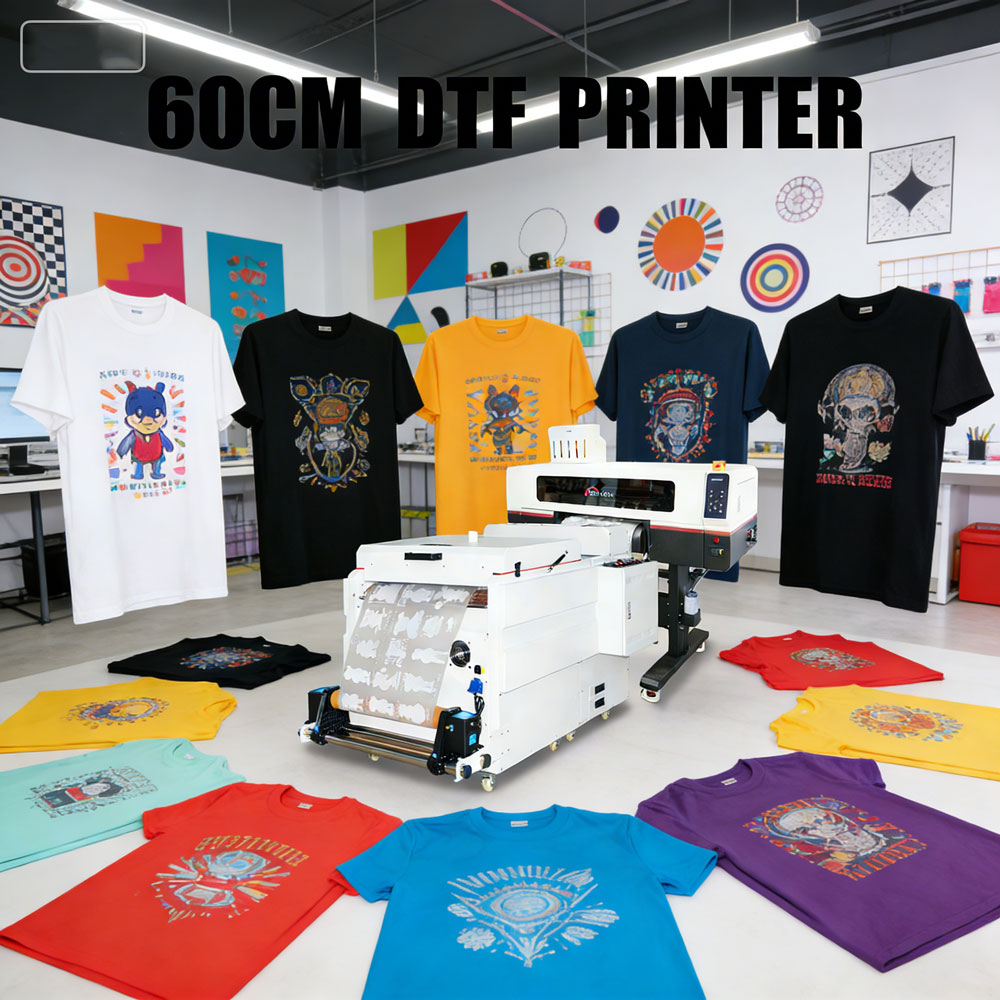
The textile printing industry is evolving rapidly as digital innovation, sustainability imperatives, and shifting consumer behavior reshape how fabrics are designed, produced, and distributed. What was once dominated by conventional techniques is now transitioning toward highly flexible, digitally enabled, and market-responsive systems, driven by data-backed growth in both demand and technological capability.
Contents
- 1 1. Digital Textile Printing Takes Center Stage
- 2 2. Demand for Personalization & On-Demand Production
- 3 3. Sustainability Is No Longer Optional
- 4 4. AI, Automation & Smart Production
- 5 5. New Functionalities: Smart & High-Tech Fabrics
- 6 6. Localized Production & Supply Chain Resilience
- 7 7. Patterns & Creativity Expand with Technology
- 8 Conclusion: The Next Phase of Textile Printing
- 9 FAQ – Trends in Textile Printing
1. Digital Textile Printing Takes Center Stage
Digital textile printing has surpassed traditional screen and rotary printing in many commercial segments due to its efficiency and customization potential. Digital methods allow patterns and colors to be printed directly from a digital file onto fabric without the need for screens or plates, which dramatically reduces setup time and allows for rapid design changes.
The global market for digital textile printing ink and systems is expanding fast, with industry reports projecting strong double-digit growth rates as brands and manufacturers adopt digital workflows. Growing e-commerce demand, especially for personalized and short-run products, is a major driver.
Why it matters to buyers: Digital printing reduces lead times, supports small batch runs and, crucially, enables mass customization — a capability that resonates with modern consumers who value unique and personalized products over mass-produced items.
2. Demand for Personalization & On-Demand Production
Consumers increasingly expect custom designs on apparel and home textiles — whether it’s one-off fashion pieces, limited-edition collections, or print-on-demand merchandise. Print-on-demand (POD) is transforming the industry by allowing production only after an order is placed, thereby reducing inventory risk and overstock.
This shift has created new business models in fashion and textile e-commerce. Traditional bulk production models struggle to compete with the agility of digital systems that can produce unique prints on a wide range of fabrics.
My viewpoint: For textile companies and apparel brands aiming to stay relevant, shifting from “mass production” to responsive, customer-centric printing is no longer experimental — it’s essential.
3. Sustainability Is No Longer Optional
Sustainability has emerged as a core industry requirement rather than a peripheral trend. Textile printing has historically been resource-intensive, with significant water use, chemical waste, and energy consumption. In response, digital printing technologies are being adopted widely for their lower environmental impact, including reduced water usage and minimal chemical waste.
The rise of water-less sublimation and pigment printing, along with eco-friendly inks, aligns with both regulatory pressures and consumer values around ethical production.
Market signal: Younger generations of consumers consistently choose brands that demonstrate measurable environmental responsibility, making sustainable textile printing a competitive advantage.
4. AI, Automation & Smart Production
Digital textile printing is being reshaped by AI and automation, which play increasingly significant roles across design, color management, quality control, and even machine maintenance. Systems that use sensors, machine learning, and real-time adjustments reduce waste, enhance print consistency across batches, and minimize errors.
Predictive maintenance — where machines self-diagnose potential faults before breakdowns occur — is another automation trend that cuts downtime and prolongs equipment life.
Personal insight: This shift toward ‘smart textile factories’ isn’t just about efficiency — it’s a structural change where production agility becomes as important as print quality.
5. New Functionalities: Smart & High-Tech Fabrics
The most forward-looking trend in textile printing is the rise of functional and “smart” textiles. These fabrics may incorporate sensors, conductive inks, or responsive elements that interact with environmental conditions or wearer needs.
Although still nascent, this frontier is poised to bridge textile printing with wearable technology, healthcare monitoring, sports science, and interactive apparel.
Industry prediction: Within the next decade, smart textiles will be central to segments where utility meets fashion — from medical garments that monitor vital signs to adaptive performance wear.
6. Localized Production & Supply Chain Resilience
Digital printing enables localized manufacture, reducing reliance on distant factories and long supply chains. This trend has economic and environmental benefits: shorter lead times, reduced shipping costs, and lower carbon emissions.
Localized production also supports on-demand distribution models that align inventory with real customer demand, minimizing both waste and overstock risk.
Business implication: Brands that adopt flexible, digitally enabled local production can differentiate themselves on both speed and sustainability.
7. Patterns & Creativity Expand with Technology
Advanced digital printing tools also expand creative possibilities. Highly detailed, vibrant patterns with photorealistic quality are now achievable even on complex fabric textures. AI design tools enable mass personalization, where every product can be unique without slowing down the production line.
Traditional motifs and artisanal prints can be digitized and scaled while preserving their heritage value — a blend of innovation and cultural storytelling.
Creative impact: Print technologies now amplify artistic expression directly in production, reshaping how fashion and textile designers work.
Conclusion: The Next Phase of Textile Printing
The textile printing industry is no longer about simple pattern transfer. It’s about responsive production, customer personalization, sustainability, and digital intelligence. Growth in digital textile printing is backed by strong market forecasts and expanding application domains — from fashion and home décor to industrial and technical textiles.
Key takeaway: Brands and manufacturers that embrace digital transformation, sustainable practices, and smart automation will define the industry’s next decade.
FAQ – Trends in Textile Printing
Q1: What trend is driving most innovation in textile printing?
Digital printing technologies that support customization and shorter production cycles are leading innovation.
Q2: Why is sustainability important in textile printing?
Consumers increasingly choose products with lower environmental impact, and digital methods use less water, energy, and chemicals.
Q3: How is AI impacting textile printing?
AI improves color management, predictive maintenance, and automated quality control, leading to faster, more consistent production.
Q4: Can digital textile printing support small orders?
Yes — digital methods make small batch and personalized printing cost-effective compared to traditional screen printing.
Q5: What future technology might reshape textile printing?
Smart textiles with embedded sensors and responsive features are emerging as a major future trend.