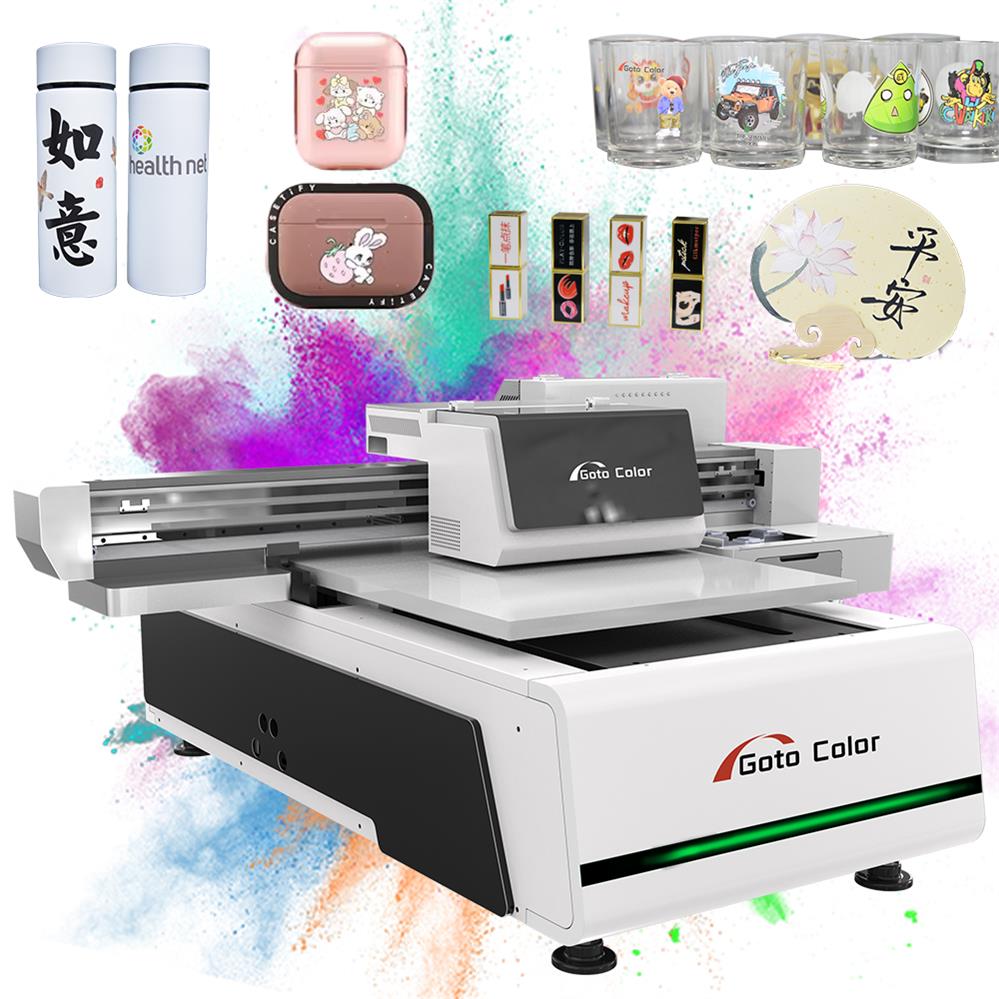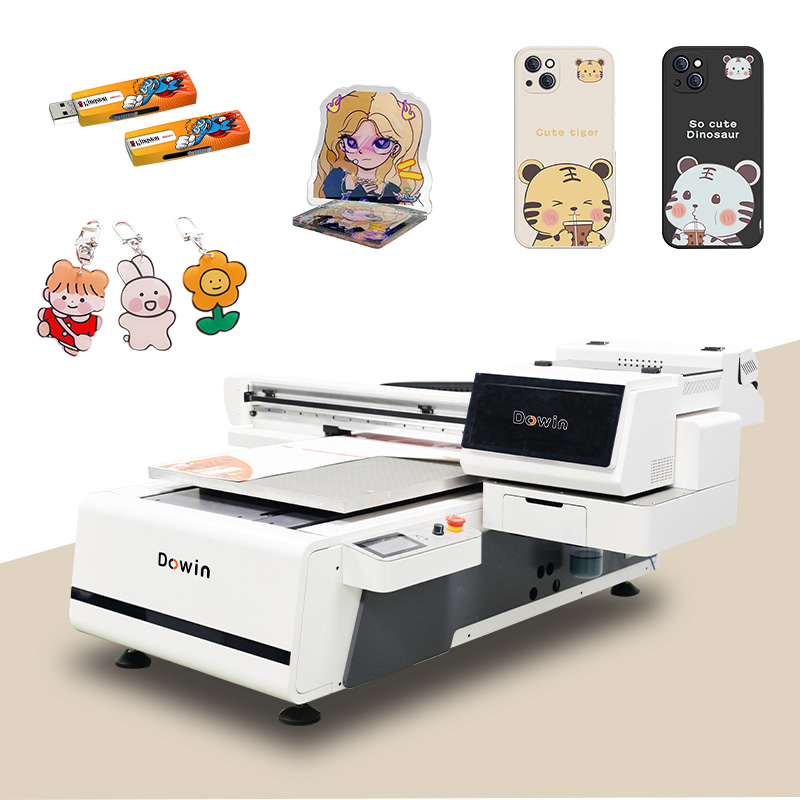
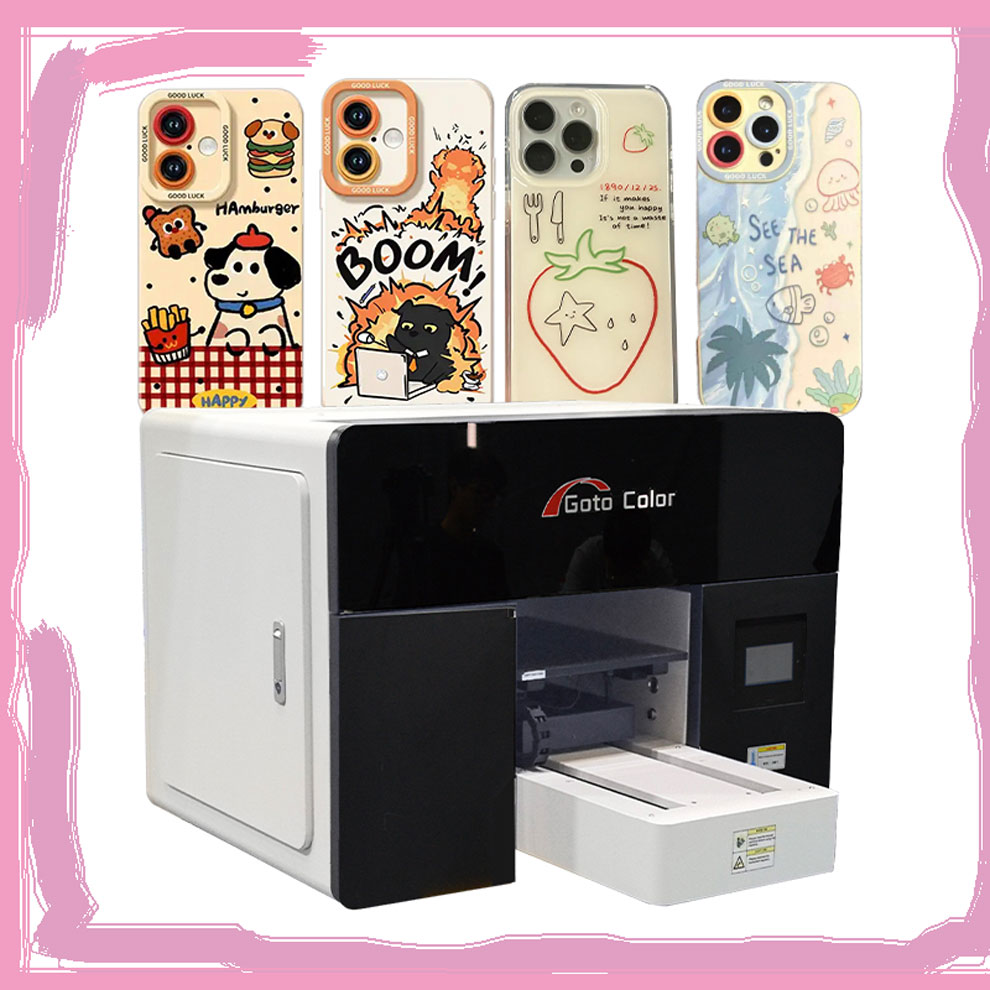
Traditional printing methods can become bottlenecks for businesses striving to deliver fast, high-quality results on diverse materials. High-speed UV flatbed inkjet printers address these limitations by combining rapid production, wide material compatibility, and excellent visual fidelity. These machines have become essential for service providers in signage, packaging, promotional products, and custom manufacturing who need both speed and precision.
Contents
- 1 What Defines a High-Speed UV Flatbed Inkjet Printer?
- 2 Why Speed Matters — Without Sacrificing Quality
- 3 Material Versatility: More Than Just Paper
- 4 Production Efficiency and Workflow Improvements
- 5 Balance of Cost and Capability
- 6 Operator Control and Ease of Use
- 7 Strategic Importance of Support and Maintenance
- 8 Practical Use Cases
- 9 Final Perspective
What Defines a High-Speed UV Flatbed Inkjet Printer?
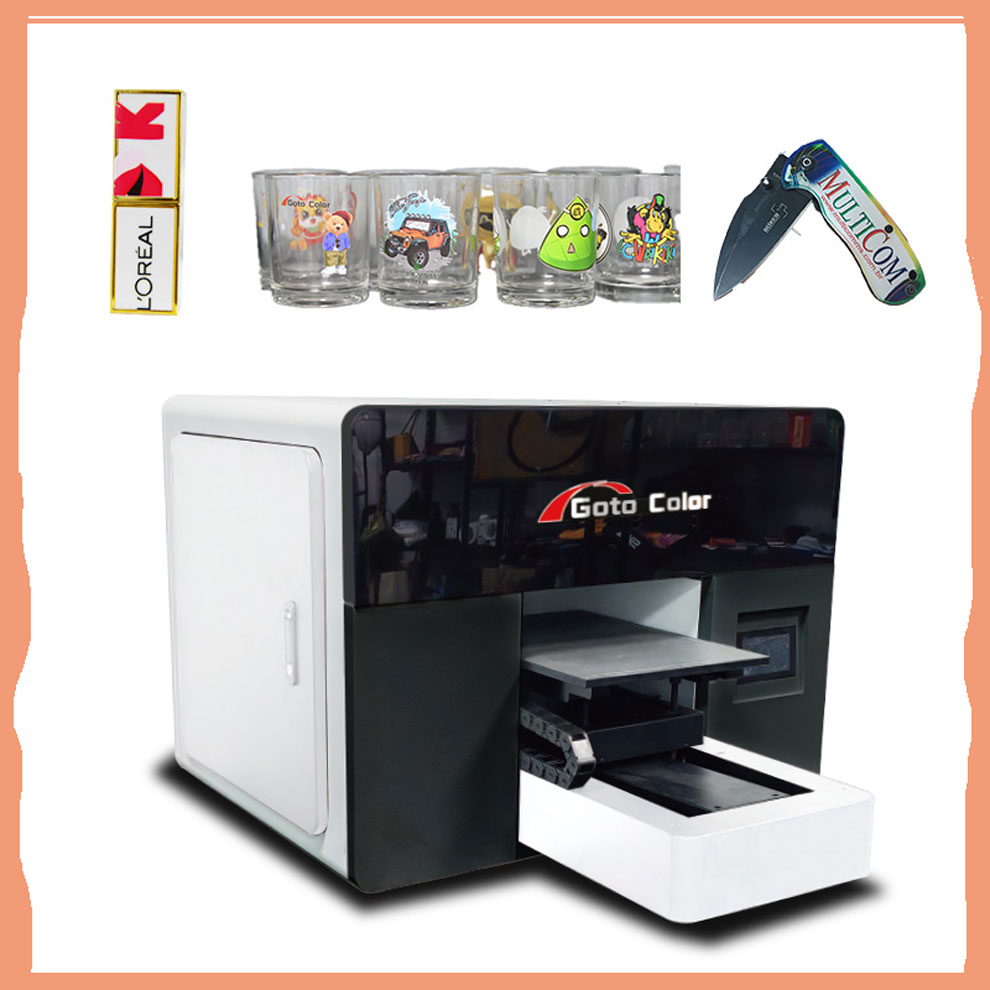
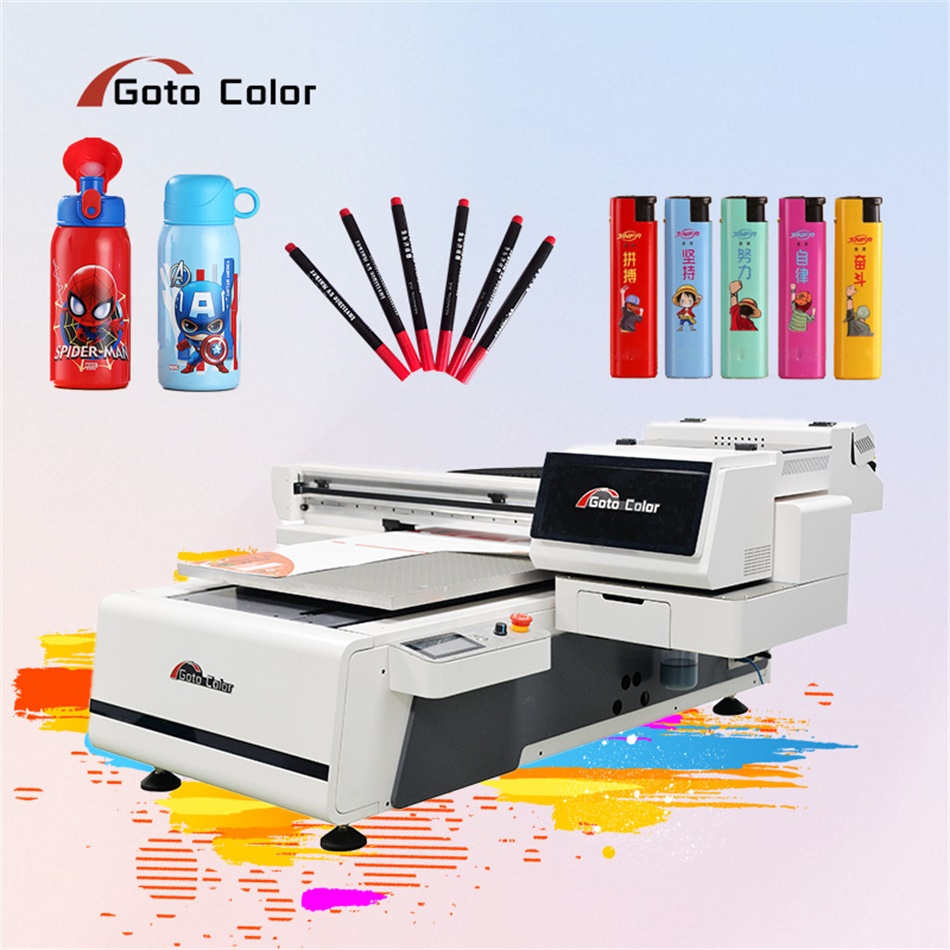
At its core, a high-speed UV flatbed inkjet printer deposits tiny droplets of UV-curable ink directly onto a stationary flat surface. Powerful UV LED lamps located immediately behind the printheads instantly cure the ink as it lands, transforming it from a liquid into a solid within seconds. This immediate curing not only prevents smudging but also dramatically shortens production cycles compared with traditional ink drying methods. The energy-efficient LED curing also keeps heat lower, allowing printing on heat-sensitive materials without warping.
Why Speed Matters — Without Sacrificing Quality
A common misconception is that increased production speed inevitably compromises print quality. Modern high-speed UV flatbed printers prove this false.
- Advanced printhead systems can lay down ink droplets with precision even at high throughput.
- Optimized motion systems coordinate rapid movement without inducing vibration that would otherwise degrade image sharpness.
- Instant UV curing locks droplets in place before they spread, preserving crisp detail and vibrant color saturation.
In my assessment, this balance is critical for professionals who must fulfill large orders under tight deadlines but still deliver premium results — for example, for retail signage or exhibition graphics where both finish quality and turnaround time influence customer satisfaction.
Material Versatility: More Than Just Paper
One of the most compelling advantages of these printers is the sheer range of substrates they support. Because UV ink cures instantly and adheres strongly to non-porous surfaces, you can work directly on:
- Rigid boards like acrylic, wood, ceramic, and metal
- Foam core, PVC, polypropylene, and similar signage materials
- Flexible films and specialty substrates compatible with flatbed handling
- Decorative or industrial components requiring direct imprinting
This capability lets businesses expand beyond traditional paper and vinyl prints to true direct-to-substrate applications — opening revenue streams in product personalization, interior décor elements, architectural panels, and industrial labeling.
Production Efficiency and Workflow Improvements
High-speed UV flatbed printers excel not just in raw speed but in workflow efficiency:
- Bi-directional and multi-path printing reduces the time needed to complete complex jobs.
- Intelligent job scheduling lets you queue multiple prints, minimizing idle time and maximizing output.
- Automated leveling systems and simplified operator interfaces reduce setup time and human error.
These features are especially impactful in busy shops or production lines where downtime and manual intervention directly cut into profitability. From a practical standpoint, the faster you can turn around orders without sacrificing quality, the better your capacity to compete for larger contracts or high-volume work.
Balance of Cost and Capability
High-speed UV flatbed inkjet printers are not inexpensive. Upfront investment can be substantial — particularly for models designed for industrial throughput. However, the ongoing benefits often justify the cost when:
- Production volume is high and continuous
- Outsourcing turnaround times are too slow or too expensive
- Diverse printing applications require in-house capability
In my experience, businesses that underutilize such a machine tend to see slower ROI, whereas those that build tooling around the technology — integrating it into core offerings — see both cost savings and new revenue that outweigh the initial outlay.
Operator Control and Ease of Use
While these printers involve advanced technology, most modern equipment focuses on streamlined operation:
- Touchscreen controls and intuitive software help reduce the learning curve.
- RIP software with color profiling ensures consistent output across different substrates and runs.
- Automated maintenance aids (e.g., nozzle checks and clean cycles) keep downtime low and performance high.
This combination makes it feasible for businesses without deep technical print expertise to adopt high-end UV printing without overwhelming staff.
Strategic Importance of Support and Maintenance
Purchasing the hardware is just the beginning. Long-term reliability and uptime depend on:
- Comprehensive warranty coverage
- Responsive technical support for troubleshooting
- Ready access to replacement parts and consumables
Lack of support can turn a promising investment into a costly disruption. Proper service infrastructure ensures your equipment runs reliably and your team stays productive.
Practical Use Cases
High-speed UV flatbed printers are transforming operations in various sectors:
- Advertising and branding: Durable, vibrant prints for signs, displays, and promotional fixtures.
- Product customization: Direct printing on bespoke items, including awards, nameplates, and décor.
- Industrial marking: Precise graphics and labels on parts and components.
- Interior design: Custom decorative panels, ceramic tile art, and architectural accents.
These applications highlight how the technology bridges digital design and physical fabrication, enabling businesses to offer value-added services that were once impractical or too costly to provide in-house.
Final Perspective
High-speed UV flatbed inkjet printers are not just faster printers — they are versatile production hubs that expand what a company can do. For operations with consistent demand for diverse, high-quality prints — and the capacity to integrate the equipment into core workflows — these machines can significantly improve both productivity and market competitiveness.
However, for small businesses with sporadic printing needs, the large investment may not pay off without a clear plan to leverage the technology across multiple revenue streams. Proper evaluation of demand, workflow integration, and support infrastructure is essential before committing to this level of capability.