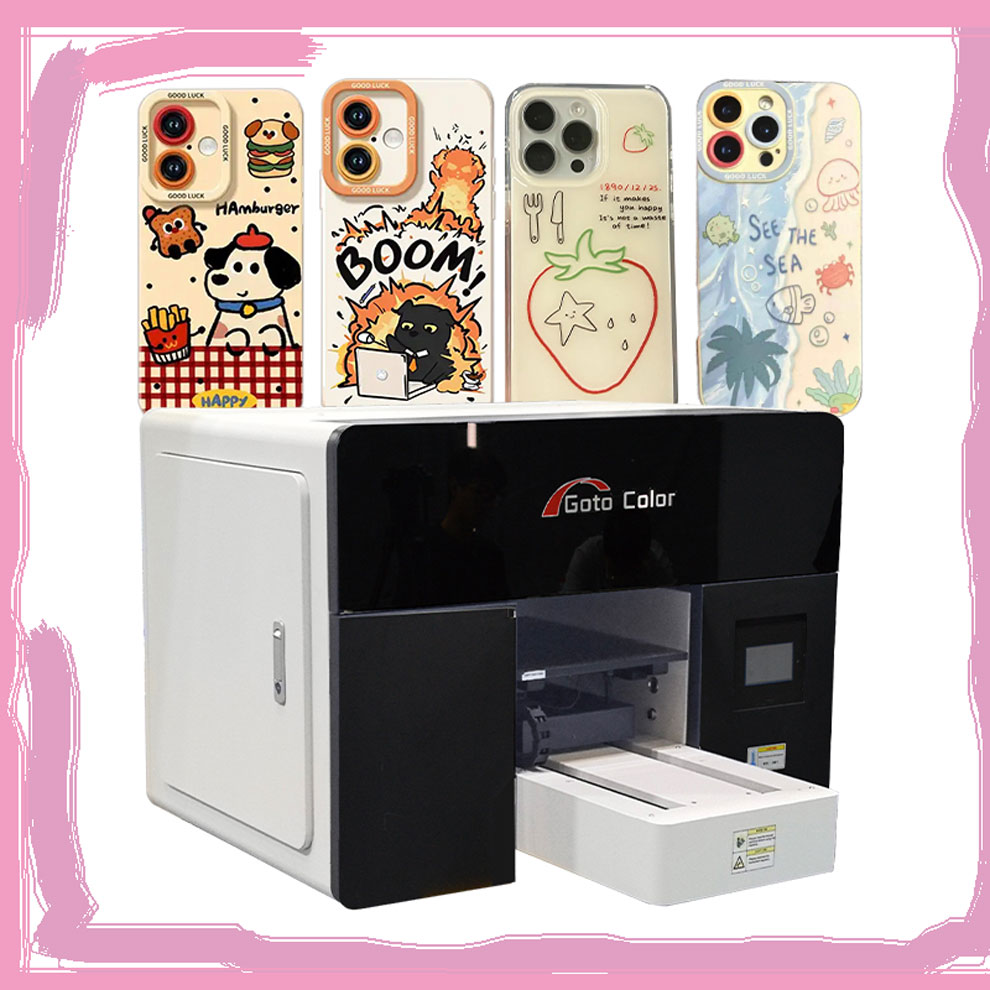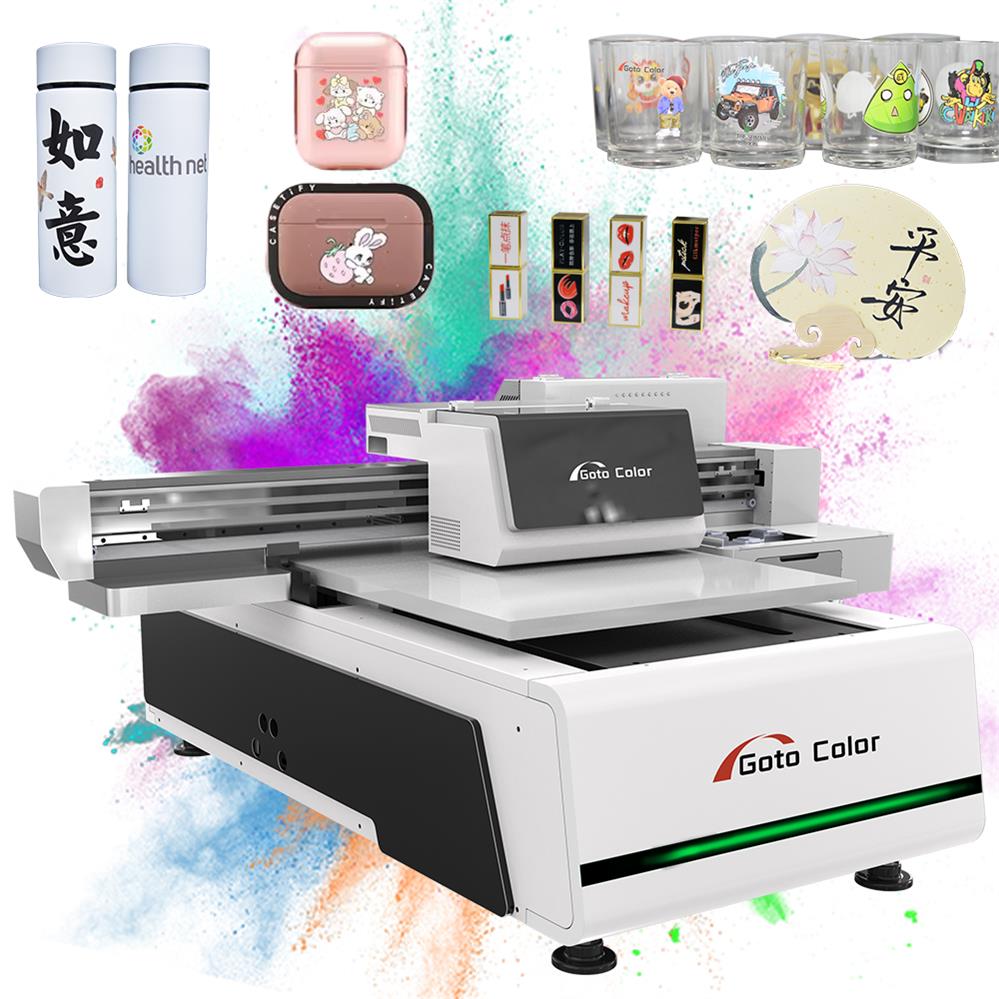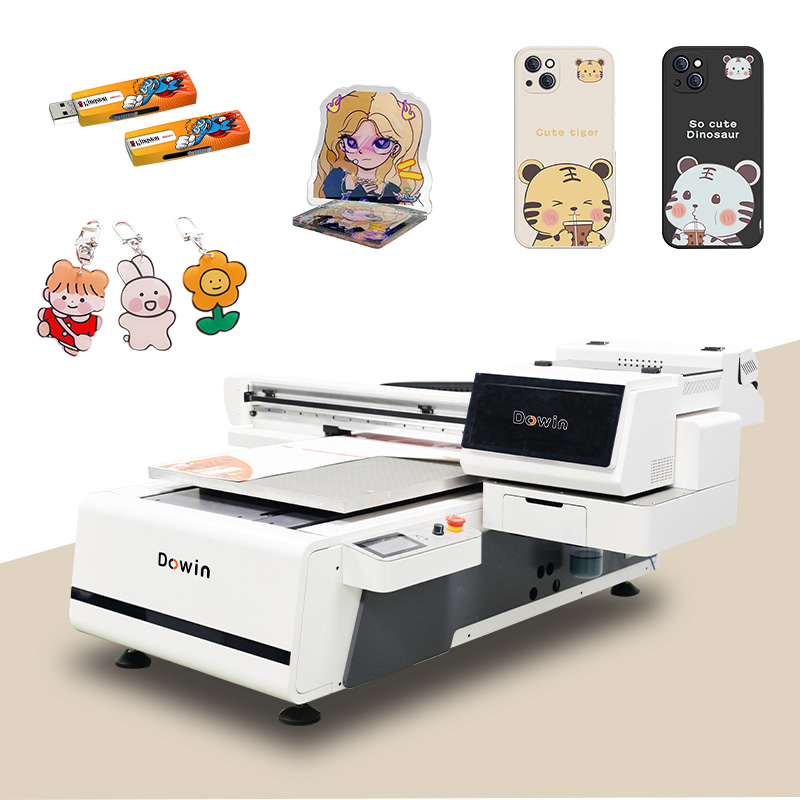
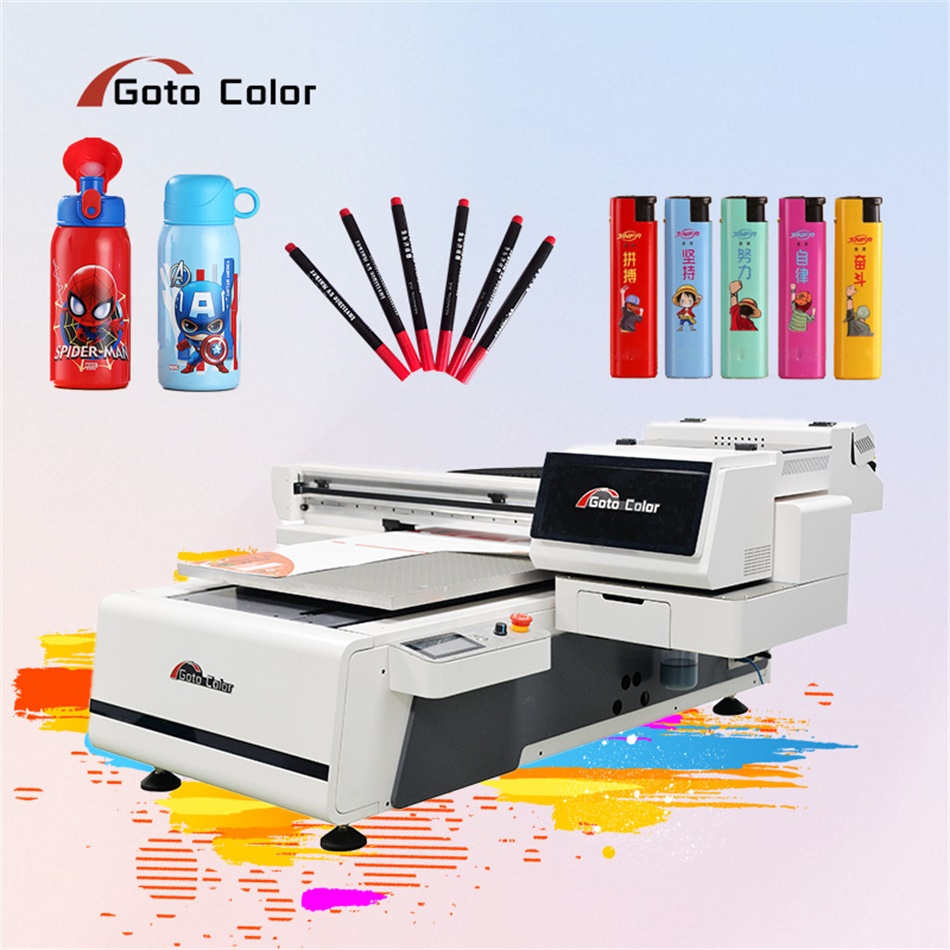
Investing in a UV flatbed printer can be a significant decision for any business. These are not ordinary desktop printers — they are powerful production tools that can open new revenue sources when used strategically. The key question is whether the cost and operational effort are justified by the benefits and return on investment (ROI). This overview examines that question from multiple angles: capability, workflow impact, cost dynamics, and strategic fit.
Contents
What Makes a UV Flatbed Printer Valuable?
Wide Material Compatibility
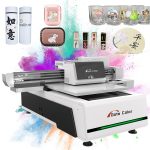
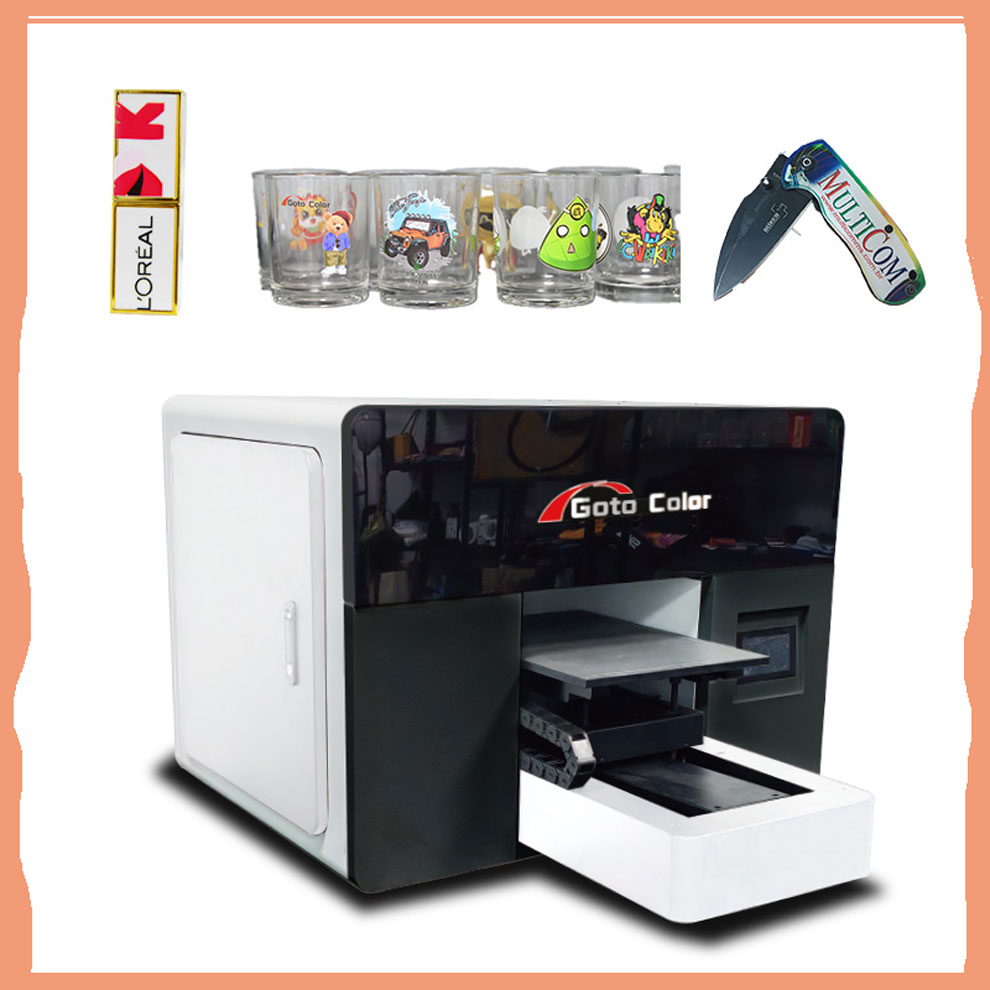
A major reason companies consider a UV flatbed printer is sheer versatility. These machines can print directly onto rigid and flexible materials such as metal, wood, glass, acrylic, plastic, leather, and more. That means a single device can replace the need for multiple specialized pieces of equipment, lowering capital expenditure over time.
Near-Instant Drying with UV Curing
Unlike traditional solvent or eco-solvent printing that needs drying racks or ventilation, UV flatbed technology cures ink immediately as it hits the surface using UV light. This leads to minimal downtime, faster turnarounds, and the ability to handle higher job volumes without bottlenecks caused by drying delays.
Durable, High-Quality Results
UV-cured ink forms a robust bond with substrates, providing outstanding resistance to fading, scratching, moisture, and weathering. Outputs are suitable for long-term outdoor use (like signage and architectural prints) and durable products (like labels and industrial parts). The print quality tends to be sharp with vibrant colors that hold up well over time.
Customization and Small Batches
Because UV flatbed printing doesn’t require screens, plates, or extensive setup, it’s well suited for one-off or short-run projects. This is especially useful for businesses focusing on personalized products, niche markets, or design prototypes.
Cost, ROI, and Ongoing Expenses
Higher Upfront Investment
Compared to basic wide-format or desktop printers, UV flatbed models are expensive up front. Industrial systems often cost many tens of thousands of dollars, with advanced models reaching well into six figures. There are significant additional costs for installation, operator training, and workspace adaptation (for example, dust-controlled environments and anti-static measures).
Operational and Maintenance Costs
Daily maintenance must be taken seriously. Printheads require regular cleaning, and improper environment control (dust, static) can cause issues. Ink costs also add up, and experienced operators are essential to maintain quality and uptime.
Potential for ROI
If you regularly produce products that benefit from on-site UV printing — such as signage, promotional merchandise, custom décor, or industrial prototypes — the ROI can be compelling. Savings come from reduced outsourcing, faster delivery, and broader service offerings. However, this only holds when production volumes and pricing strategies make internal printing more profitable than external providers.
In many real-world cases, businesses can expect a payback period of roughly 1–2 years only if the machine runs near capacity and fills multiple market needs. Underutilized printers often take much longer to pay off. (Personal observation based on typical print shop economics; actual results vary by business model.)
Considerations Before You Buy
Production Volume: If you expect low monthly usage (e.g., occasional custom pieces), outsourcing may still be cheaper once time and maintenance are factored in.
Space and Environment: UV flatbed printers take significant floor space and ideally require controlled ventilation and dust-free conditions.
Skill Requirements: Getting high-quality results, especially on unusual materials, typically requires seasoned operators comfortable with RIP software, color profiling, and maintenance routines.
Service and Support: After-sale support can be a crucial factor. Machines without strong technical and service backing can lead to costly downtime.
Summary Judgment: When It’s Worth It
A UV flatbed printer is worth buying if all of the following are true:
- You have consistent demand for rigid and versatile printed products.
- Your business strategy relies on customization and small batch orders.
- You can justify the upfront and ongoing costs with your price structure.
- You have or can develop the technical expertise to operate and maintain the machine.
Not every business needs this level of capability. For small-volume or general document printing, conventional printers or outsourcing remain better choices. For enterprises aiming to expand into durable graphics, personalized manufacturing, or broader signage services, a UV flatbed printer can genuinely be a central revenue driver when integrated thoughtfully.