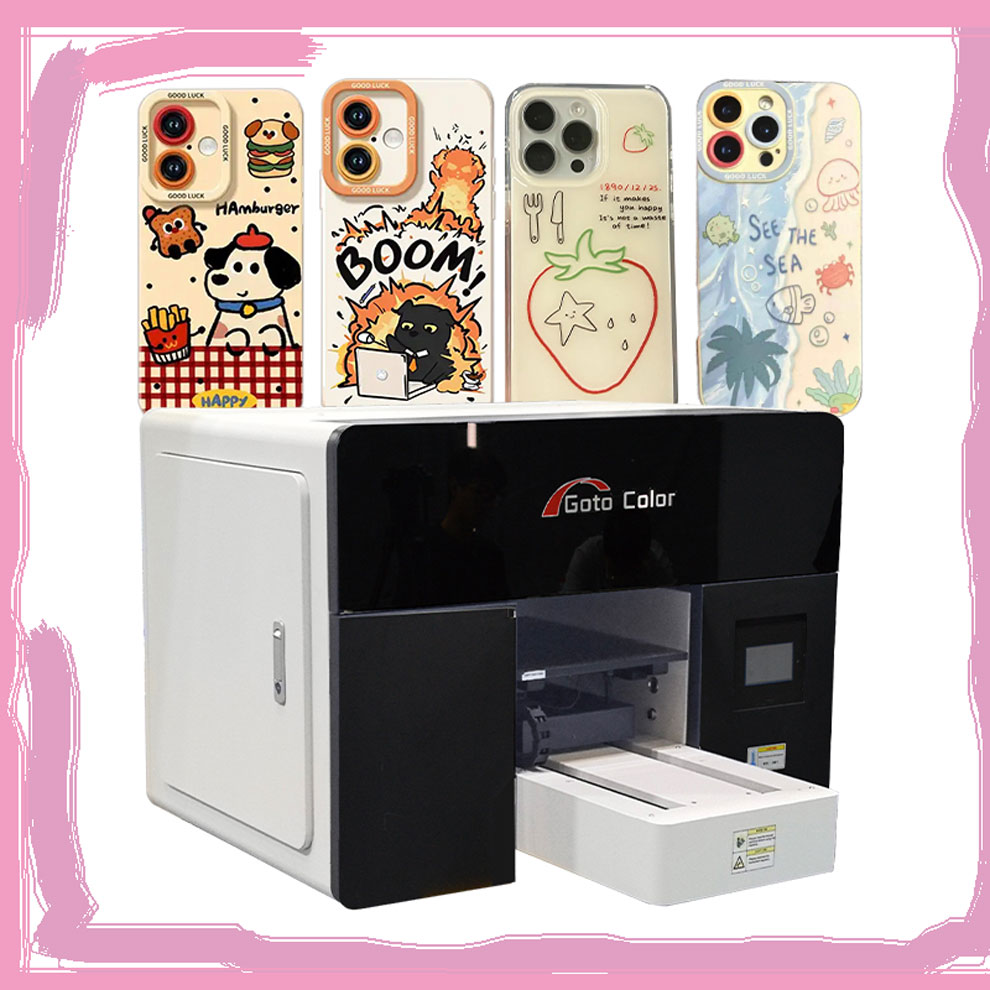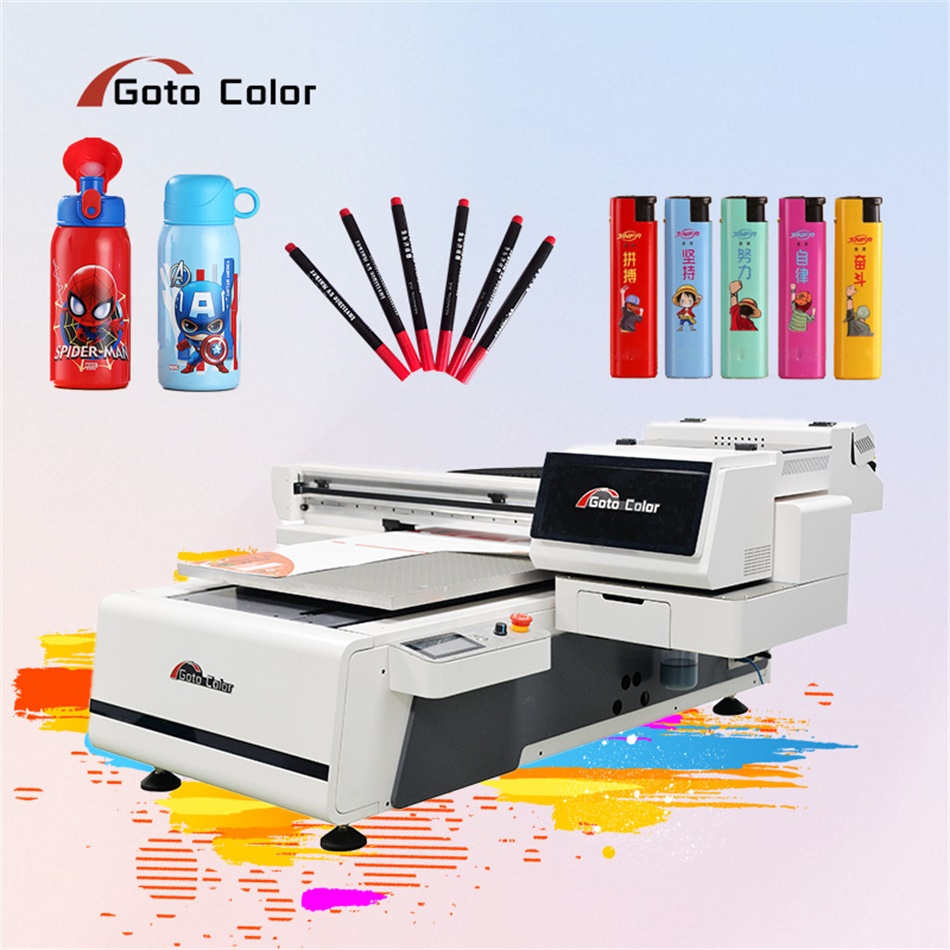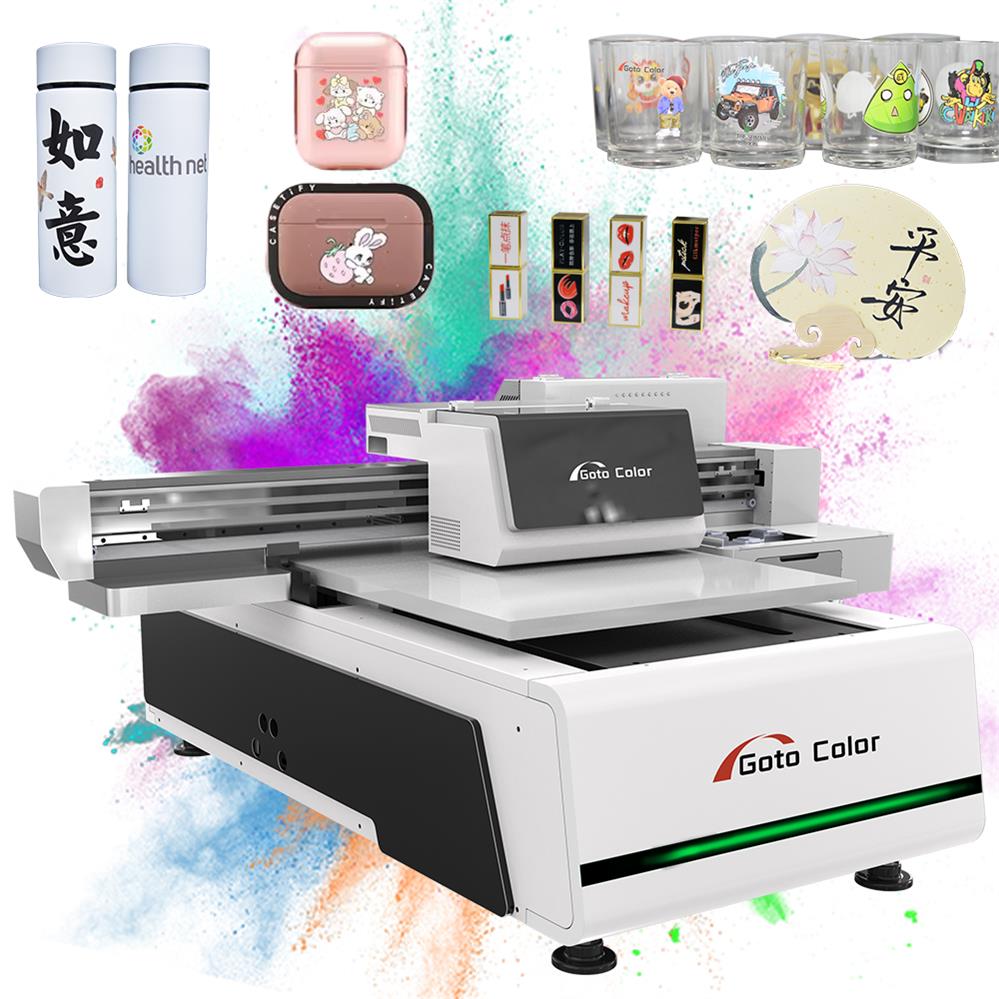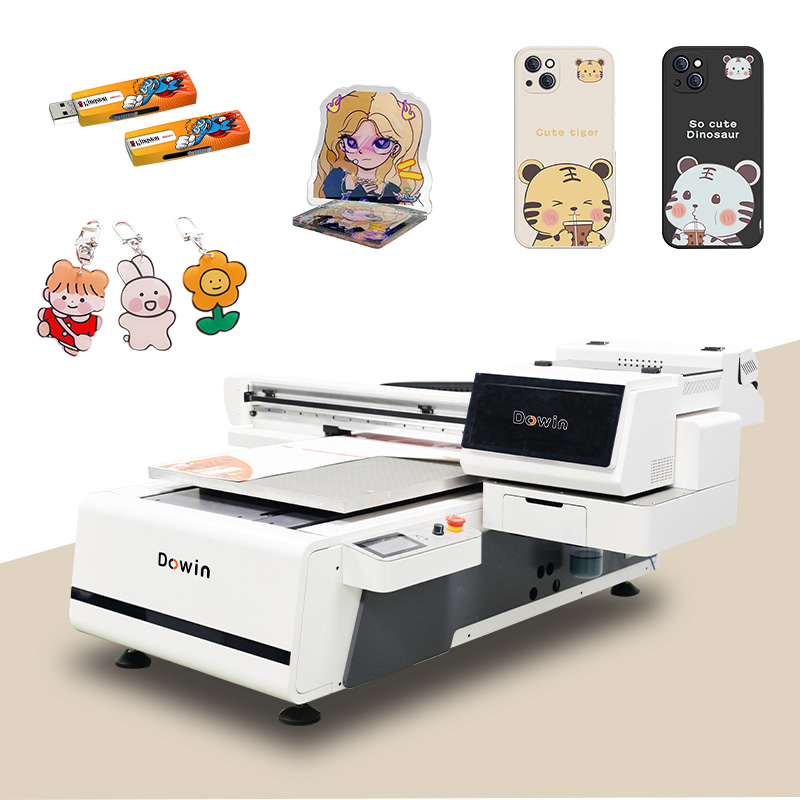
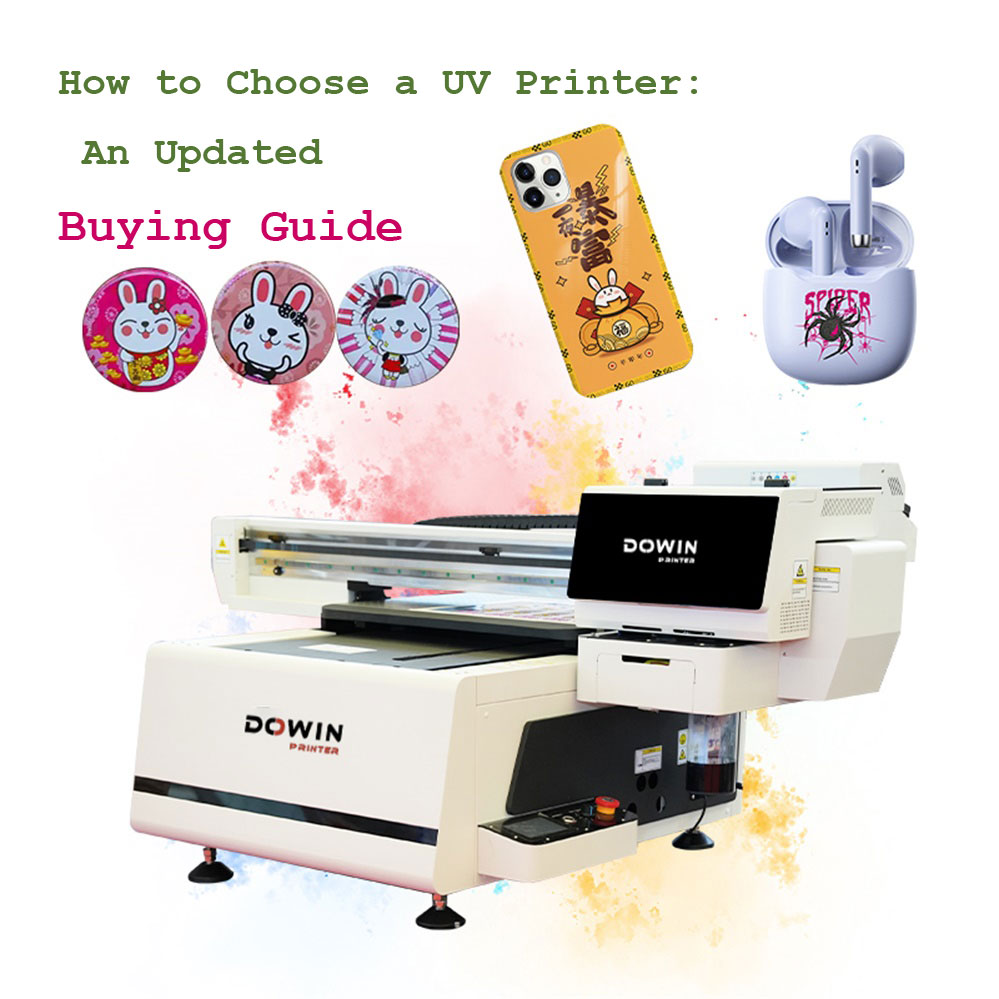
As UV printing becomes more accessible and useful for creators, small businesses, and studios, choosing the right machine is an essential step toward professional-quality output. A UV printer uses special inks cured instantly with ultraviolet light, enabling high-quality, durable prints on a wide range of materials — from rigid boards to curved objects.
This guide walks you through the key factors to evaluate before investing, helping you make a choice that fits both your immediate needs and long-term goals.
Contents
What Is a UV Printer and Why It Matters
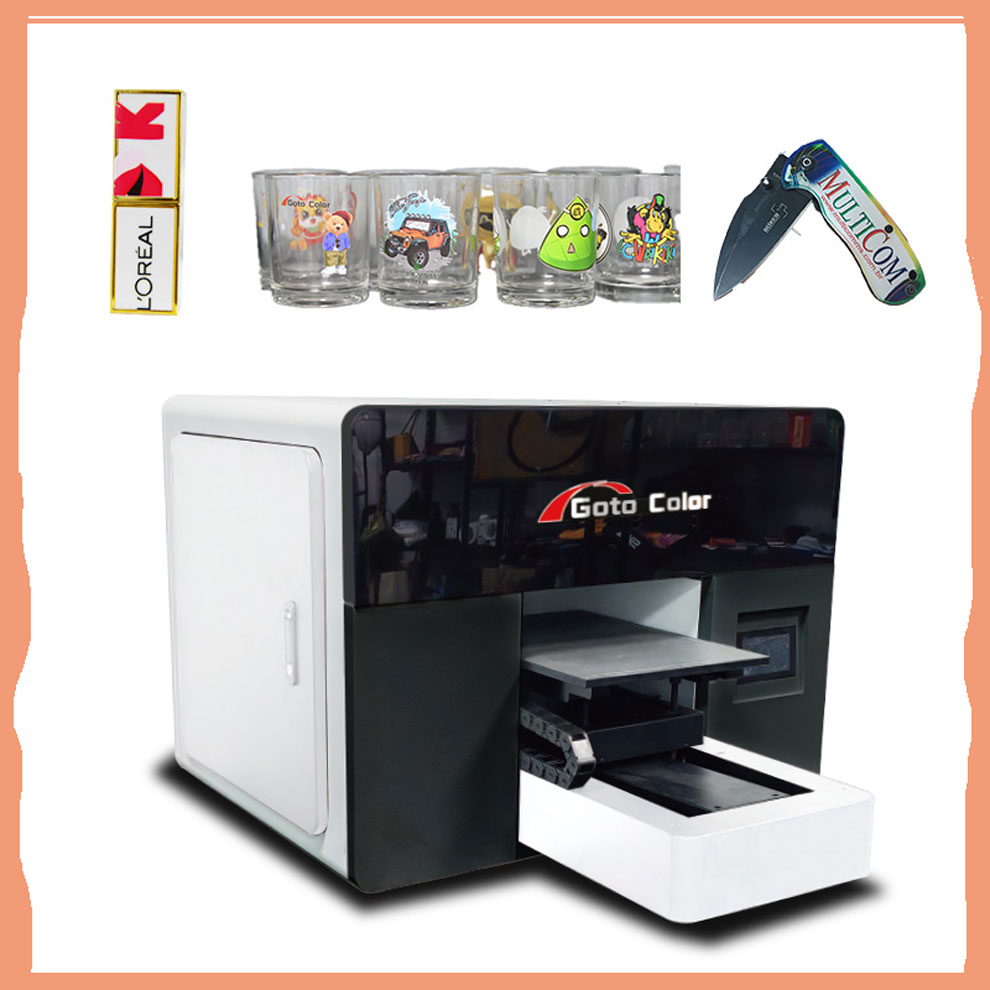
In simple terms, a UV printer deposits ink droplets on a surface, and ultraviolet light immediately cures (dries) the ink as it is laid down. This curing process makes the ink bond directly to the substrate, producing extremely sharp, long-lasting prints with minimal drying time.
Because of the instant curing, UV printers can deliver bright colors, scratch resistance, and outdoor durability, while also accommodating materials that traditional inkjet or heat-based methods struggle with — including plastics, metals, glass, wood, leather, and more.
Types of UV Printers You Should Know
When choosing a machine, first think about the type of materials and items you plan to print:
1. Flatbed UV Printers
These machines have a fixed, flat surface where rigid materials are placed. They are ideal for signage, metal plaques, wood panels, and other flat rigid media.
2. Rotary UV Printers
Designed for round or cylindrical objects like bottles, mugs, and tumblers. The item spins as the print head moves, ensuring even coverage.
3. UV DTF Printers
These print onto a special film first and then transfer the design. They are useful for objects with uneven or curved surfaces that are difficult to print on directly.
4. Roll-to-Roll UV Printers
These are optimized for long, flexible media such as banners, signs, wallpaper, and vinyl — feeding materials from a roll and printing continuously.
Choosing the correct type up front avoids the common mistake of buying a machine that doesn’t actually suit your production goals.
10 Key Factors to Consider Before Buying
1. Budget and Total Cost
UV printers range from compact desktop systems under a few thousand dollars to industrial machines costing tens of thousands. Don’t focus only on purchase price — consider long-term operating costs, including ink, maintenance, and replacement parts.
2. Expected Production Volume
Are you printing a few items a week, or running high-volume production? Your daily workload and seasonal demand will influence whether a smaller desktop model or a larger commercial system is appropriate.
3. Available Space
UV printers, especially flatbeds and large hybrids, can take up significant floor space. Measure your workspace carefully and ensure you have room not just for the machine but also for materials and workflow.
4. Print Area Requirements
The bed or print area determines the maximum size of the object you can print in one go. Smaller machines may not accommodate larger signs or panels, so plan based on your largest anticipated print size rather than just typical jobs.
5. Print Resolution
Resolution — measured in dots per inch (DPI) — affects how sharp and detailed the output looks. Higher DPI values produce finer detail but may slow down print speed. Balance resolution with your speed expectations.
6. Print Speed
Speed affects productivity, especially for commercial use. Print speed varies based on resolution settings, number of print heads, and machine mechanics. Lower resolution yields faster results at the expense of fine detail.
7. Height Adjustability
For objects of different thicknesses, adjustable height or automatic sensing is valuable. If you’ll be printing on items of varying heights (like thick boards or mugs), ensure the printer supports a sufficient vertical range.
8. Color and Ink Options
Most UV printers use CMYK (cyan, magenta, yellow, black) inks, but models that support white and varnish can print on dark or transparent materials and add special finishes. White ink also helps vibrant colors appear correctly on colored substrates.
9. Software Compatibility
The software (often called RIP software) controls color management, print settings, and job layout. Choose a printer whose software is intuitive and compatible with your design workflow. Good software reduces errors and speeds up production.
10. Reliability and Support
Technical support, warranty terms, and community resources matter. UV printers are more complex than desktop inkjets, so having access to responsive support and troubleshooting resources can save time and frustration.
Is a UV Printer a Good Investment?
For many creative professionals and small businesses, a UV printer is worth the investment when:
- You need fast turnaround times
- You want to print on a diverse set of materials
- Durability and outdoor resistance are important
- You plan to expand your product offerings in the future
However, keep in mind that UV printers require regular maintenance, careful handling of inks, and a willingness to learn more advanced workflows than basic inkjet printing. Treat it as a long-term tool rather than a casual gadget. This mindset helps ensure your investment is productive rather than burdensome.
A Few Practical Tips Before You Buy
- Request sample prints from any model you’re considering — real world results matter more than specs on paper.
- Test material compatibility in advance since not all machines handle every surface equally well.
- Plan for workshop ventilation and safety, especially if you’ll be handling uncured inks regularly.
Final Takeaway
Choosing the right UV printer isn’t just about picking the most expensive or most advertised model — it’s about matching features to your actual use case, workflow, and growth plans.
If you choose thoughtfully and understand both the technical and practical aspects of UV printing, your printer can become a versatile asset — unlocking new product opportunities, creative flexibility, and a competitive edge in your niche.