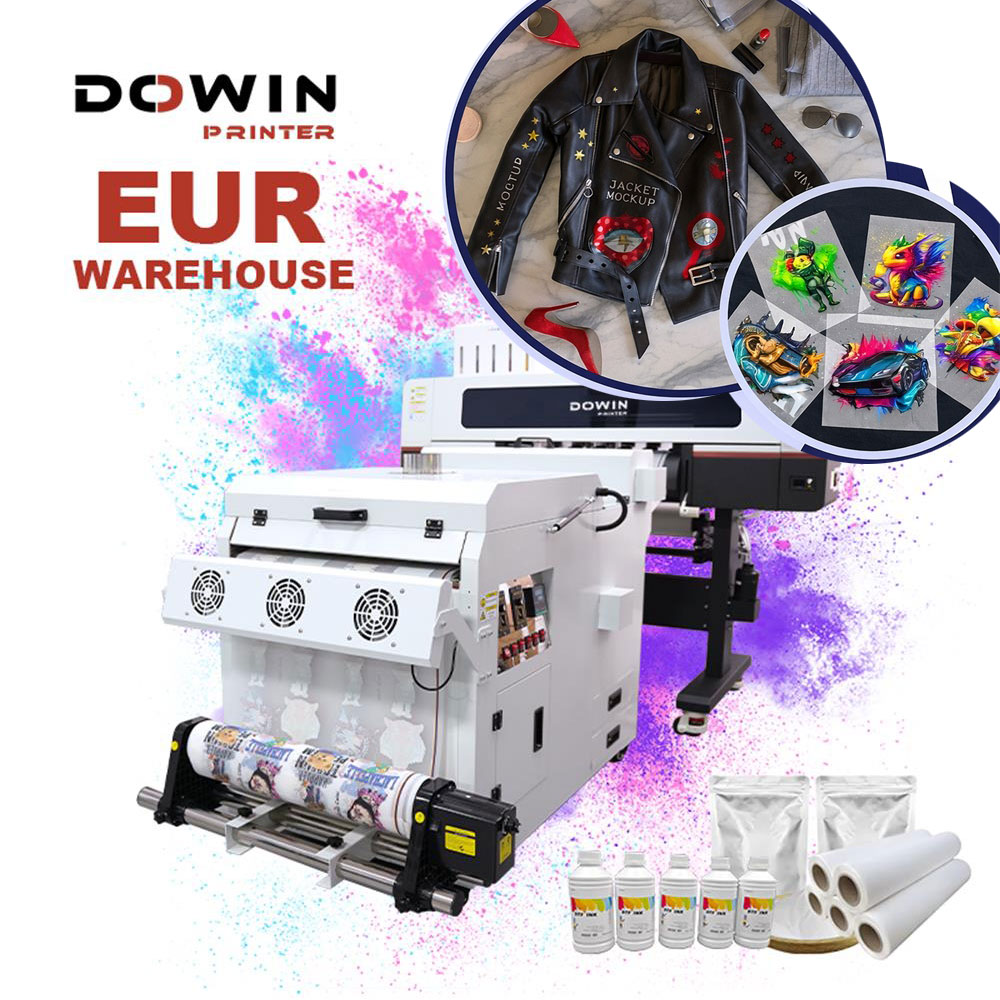
Attaching UV DTF stickers to a leather jacket is a popular way to personalize and enhance the look of leather apparel. With the right technique and preparation, it’s possible to achieve vibrant, long-lasting designs that complement the natural materials of a jacket.
Contents
Is It Possible?
Yes — UV DTF stickers can be applied to leather jackets. When prepared and applied correctly, the adhesive and cured ink form a strong bond on smooth leather surfaces, allowing for custom graphics that stand out.
Preparing the Leather Surface
- Clean the Area Thoroughly
Wipe down the section of the jacket where the sticker will go to remove dirt, oils, and residues. Cleaning ensures maximum contact between the adhesive and the leather. - Test First
Try a small, hidden sample piece of sticker to see how well it adheres and how the leather responds to heat and pressure. This helps prevent mistakes on the main design area. - Evaluate the Leather Type
Smooth leather works best because it provides a flat surface for adhesion. Very textured, grainy, or suede finishes may not allow the sticker to stick evenly.
Step-by-Step Application
- Position the Sticker
Place the sticker where you want it on the jacket and check alignment before pressing. - Apply Heat Carefully (If Needed)
Some UV DTF stickers bond better when activated with gentle heat. Use a heat press at a low, controlled setting or a household iron with a protective cloth between the iron and the leather to avoid scorching or discoloration. - Press Firmly
Once aligned, press down on the sticker to remove air bubbles and ensure contact. Use a flat tool or your fingers to smooth the sticker across the surface. - Let It Settle
Allow a few hours for the adhesive to fully bond. Avoid touching or flexing the area during this time for the best result.
Tips for Best Durability
- Avoid Extreme Movement Areas
Places like elbows or heavily folded sections stretch and bend often, which can cause rigid sticker edges to crack or lift. Applying designs on flatter, less flexible areas increases longevity. - Gentle Cleaning Only
Leather should not be washed or scrubbed. Spot clean around the design and avoid harsh chemicals that could weaken adhesion. - Proper Storage
Store the jacket in a cool, dry place away from direct sunlight. Heat and humidity can affect both leather quality and sticker adhesion over time.
Leather Types and Suitability
- Genuine Leather: Often best for UV DTF because of its natural fibers and tolerance for low heat; clean and test first.
- Faux Leather: Synthetic jackets can also work well, but be cautious with finishes that are very glossy or sensitive to heat; surface preparation matters.
- Textured or Soft Leather: Heavily textured finishes and soft suede or nubuck are less ideal because the surface irregularities make adhesion challenging.
Alternatives to Stickers on Leather
If UV DTF stickers don’t meet your needs, consider other customization techniques that might be more suitable for leather:
- Leather Paints: Allow freehand artwork and color blending.
- Embroidery Patches: Provide textured, classic accents.
- Heat Transfer Vinyl (HTV): Can work on some types of leather but requires caution with heat.
Conclusion
Applying UV DTF stickers to a leather jacket is a feasible way to personalize your garment. Success depends on proper surface preparation, careful application, and attention to leather type. When done right, you can achieve vibrant, durable designs that enhance the jacket without compromising the material.