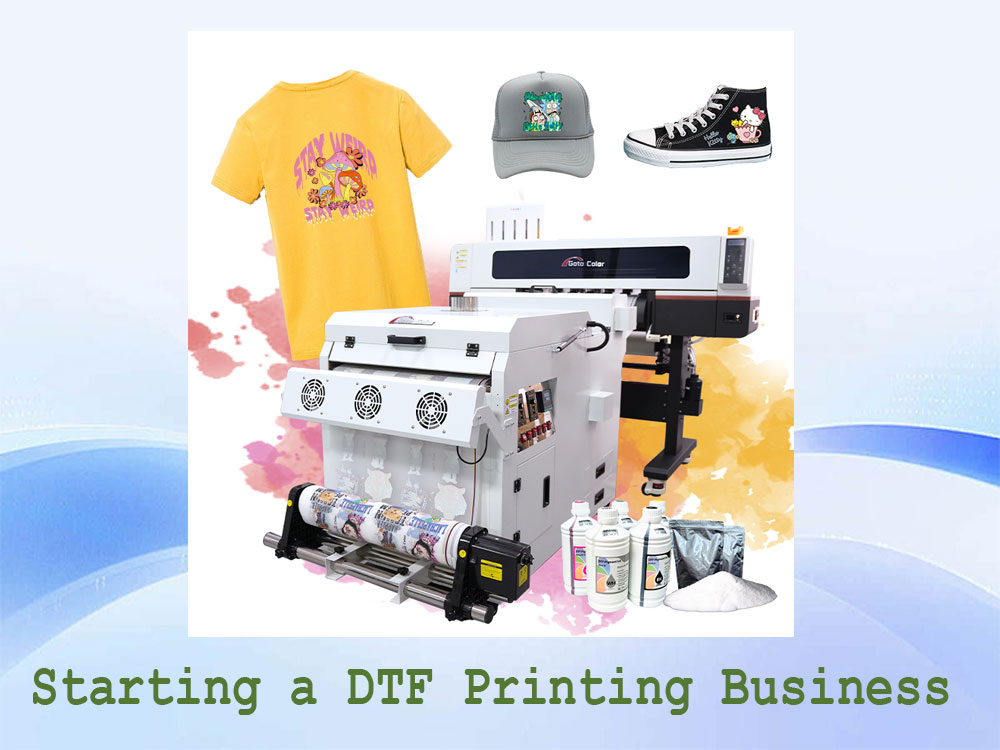
If you’re thinking about getting into DTF printing as a business, the good news is it’s totally doable with the right planning and effort. The industry is growing, and demand for custom apparel and print services keeps expanding — especially for small runs, personalized designs, and local orders. Success doesn’t happen overnight, but a structured approach will help you avoid common pitfalls and get real traction.
Contents
- 1 1. Understand the Market and Find Your Niche
- 2 2. Create a Solid Business Plan
- 3 3. Get the Right Equipment and Workspace
- 4 4. Master the Printing Process
- 5 5. Price Your Services Strategically
- 6 6. Build Your Brand and Find Customers
- 7 7. Legal and Administrative Essentials
- 8 8. Grow and Scale Efficiently
- 9 9. Overcome Common Challenges
1. Understand the Market and Find Your Niche
Before spending money on equipment, take time to study the market. Look at who’s buying custom prints in your area or online and what they’re paying. Possible customers include event organizers, schools, small brands, online shoppers, sports teams, and local businesses. Identifying a niche early — like eco-friendly fashion tees, team apparel, or promotional merch — lets you tailor your products and messaging instead of trying to be everything to everyone.
Doing this groundwork helps you refine your offerings and pricing so you don’t invest in equipment or designs that won’t sell. It also gives you confidence when talking to potential customers or partners.
2. Create a Solid Business Plan
A business plan makes your goals real and keeps you focused. It should cover your target customers, startup costs, pricing strategy, financial projections, and marketing approach. Include sections on how you’ll structure your business, work with suppliers, and grow over time.
This plan doesn’t need to be elaborate, but it should outline your path from idea to profitability — for example, what orders you need monthly to break even, and how much you expect to earn per item. A clear plan also helps if you pursue funding or partnerships later.
3. Get the Right Equipment and Workspace
Your core setup usually includes:
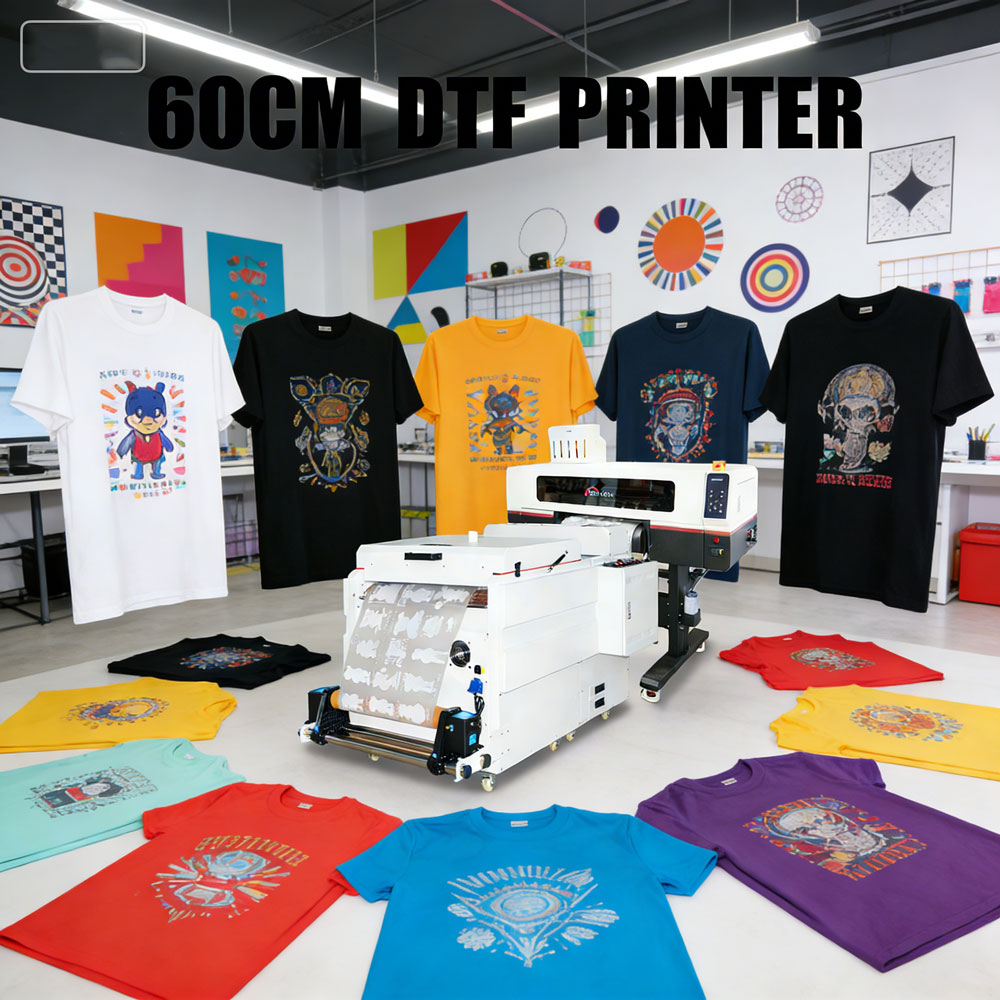
- A DTF printer suited to your expected output volume
- A reliable heat press for transferring prints to garments
- A powder applicator/shaker and curing station or oven
- Good quality transfer film, inks, and adhesive powder
- Design software and RIP tools for accurate color management
Decide early whether you’ll start lean from a home workspace or invest in a small production area. Whatever space you choose, keep it organized, clean, and safe — ventilation matters when handling inks and powders, and a designated layout speeds up production.
4. Master the Printing Process
Running the machines is more than pushing buttons. You need to understand how to prepare designs, print on film with correct white underbase and colors, apply adhesive powder evenly, cure properly, and press transfers to fabrics with the right temperature, time, and pressure. Practice on sample materials until you’re comfortable with each step, because consistency is what keeps customers coming back.
Quality control is critical — poor adhesion, faded colors, or misaligned prints will turn customers away fast. Create a quality checklist for each job so you catch issues early instead of after shipment.
5. Price Your Services Strategically
Pricing isn’t just about covering material costs — you need to factor in labor, overhead (power, space, software), wear and tear on equipment, and your profit margin. Common approaches include cost-plus pricing (material + labor + margin), tiered pricing for bulk orders, and value-based pricing if your design or service has unique appeal.
Research competitors in your area and online to stay competitive while still making a profit. Many new entrants undervalue their work early on, which hurts long-term sustainability.
6. Build Your Brand and Find Customers
Marketing isn’t optional — it’s how you get noticed. Start with a simple but professional website or online store, and use platforms like Instagram, TikTok, and Facebook to showcase finished products and behind-the-scenes videos. SEO, local business listings, and community networking (schools, clubs, small retailers) help bring in local orders.
Offering promotions, bundle deals, or seasonal specials can attract first-time buyers, and showing customer reviews builds trust with new prospects. Respond quickly to inquiries and keep clients informed about turnaround times — reliable communication is a major competitive edge.
7. Legal and Administrative Essentials
Operating legally means taking care of business registration, obtaining necessary licenses or permits in your locale, and setting up proper tax reporting and accounting. Consider trademark protection if you build a recognizable brand, and invest in good bookkeeping from the start so you always know where your revenue and expenses stand.
8. Grow and Scale Efficiently
Once you’ve got steady orders, think about scaling. You might invest in faster or larger printers, hire help, automate tasks like order processing or inventory, and expand your product line — for example, hoodies, bags, hats, or branded merchandise sets. Documenting your workflows and standard operating procedures helps maintain quality as you grow and speeds training for new team members.
9. Overcome Common Challenges
Every business faces hiccups. Typical issues include color matching problems, ink clogging, poor adhesion, and competition. Regular maintenance, consistent testing, and picking quality supplies reduce these risks. Differentiating your brand with unique designs, exceptional service, and reliable delivery keeps you ahead even in a crowded market.
Bottom line: Starting a DTF printing business takes preparation and consistency more than luck. By knowing your market, investing thoughtfully in equipment and supplies, mastering the printing workflow, setting smart prices, and promoting aggressively, you can build a sustainable and profitable operation — one that grows with customer demand rather than struggling to catch up.