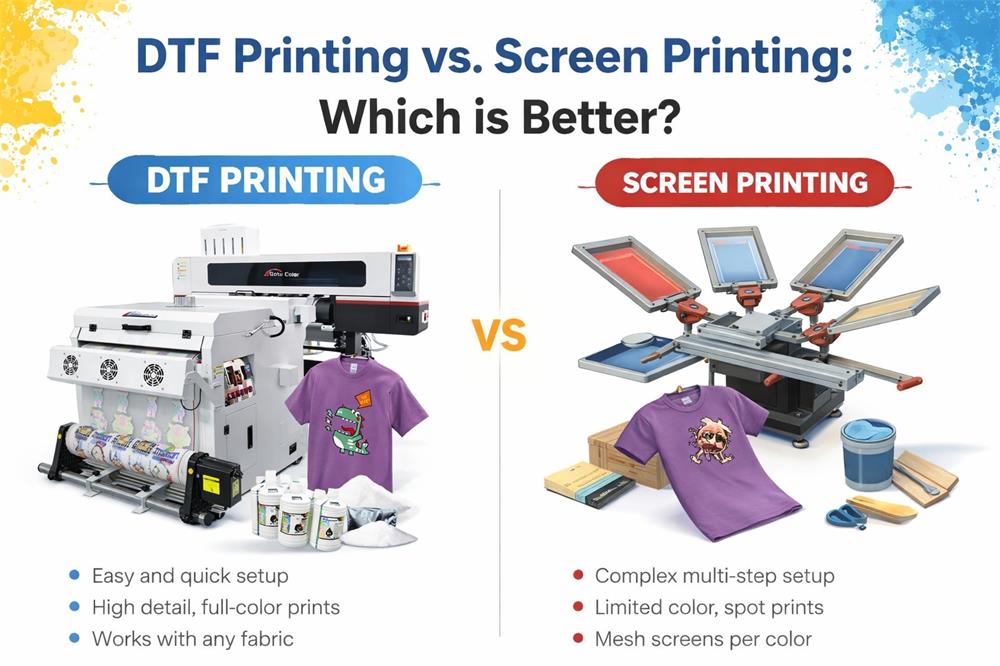
Choosing the ideal printing method for your apparel or merchandise business often comes down to comparing Direct-to-Film (DTF) printing and screen printing. Both methods are widely used, but they differ significantly in setup, cost, flexibility, quality, and scalability. Understanding these differences helps you select the approach that aligns with your product goals, order volume, and budget.
Contents
- 1 What Are DTF and Screen Printing?
- 2 Setup and Initial Costs
- 3 Production Speed and Flexibility
- 4 Design Detail and Color Range
- 5 Fabric Compatibility
- 6 Print Feel and Durability
- 7 Cost Efficiency and Order Size
- 8 Environmental and Operational Considerations
- 9 Choosing What’s Best for Your Business
- 10 Final Thoughts
What Are DTF and Screen Printing?
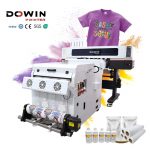
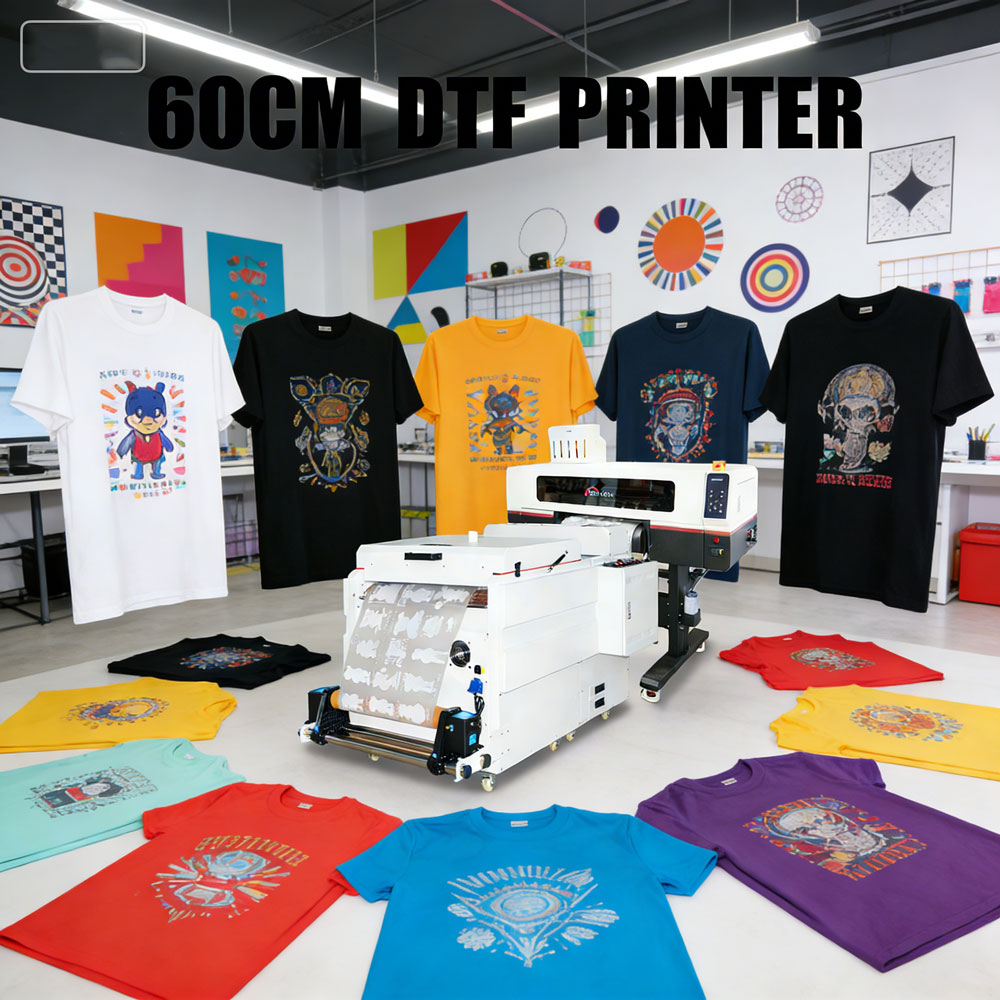
DTF (Direct-to-Film) printing is a digital process where ink is printed onto a special film and then coated with an adhesive powder. After curing, this prepared transfer is applied to fabric using heat and pressure. The result is a vibrant, detailed design that adheres well to a wide variety of materials.
Screen printing is a traditional method where ink is pushed through a mesh screen onto the garment, one color at a time. Each screen corresponds to a color in the design, and the process can be highly effective for producing strong, bold graphics on textiles.
Setup and Initial Costs
One of the clearest differences between DTF and screen printing is the setup cost:
- DTF printing has relatively low setup costs because there’s no need for screens or extensive prep work. You mainly invest in a digital printer, transfer film, adhesive powder, and a heat press.
- Screen printing requires creating physical screens for each color in the design. This makes the initial investment higher, especially for multi-color prints, and the preparation takes more time.
For small batches or custom, one-off designs, the lower setup cost of DTF can make it more attractive. As order sizes grow, however, the cost per unit for screen printing starts to become more competitive.
Production Speed and Flexibility
DTF printing excels in flexibility and fast turnaround. Since designs are printed digitally, there’s no need for screen setup, making it ideal for short runs and custom jobs. You can switch between designs quickly without downtime.
Screen printing, on the other hand, has a slower setup because each color and layer needs its own screen. Once screens are prepared, printing large volumes becomes efficient, but the initial process is more time-intensive.
For businesses that offer on-demand printing or frequent design changes, DTF’s digital workflow is often a better fit. Screen printing remains a strong choice when printing large quantities of the same design repeatedly.
Design Detail and Color Range
DTF printing offers excellent design flexibility. It handles full-color images, fine details, gradients, and complex artwork without the limitations of separate screens for each color — which is common in traditional screen printing.
Screen printing is unparalleled when it comes to bold solids and simple color schemes, but it becomes less efficient and more costly as design complexity and color count increase. Photorealistic images or very detailed graphics require halftone techniques or many screens, which increases setup time and expenses.
Fabric Compatibility
DTF has broad material compatibility — it adheres well to cotton, polyester, blends, and even some specialty fabrics like nylon or leather with the right setup. This makes it a flexible solution for businesses printing on varied garments.
Screen printing traditionally performs best on cotton and cotton-rich fabrics, especially for large, bold designs. While it can be adapted for other materials, the process and inks may need adjustments for garments like performance wear.
Print Feel and Durability
Screen printing integrates ink more deeply into the fabric, especially with traditional plastisol or water-based inks, resulting in a softer hand and strong durability. Over many washes and heavy wear, screen prints often maintain their look and integrity well.
DTF prints sit on the fabric surface with an adhesive layer. When applied correctly, they can last through many washes and retain vibrant colors, but some business owners note that the tactile feel is slightly different from screen printing and might be noticeable on larger prints.
Cost Efficiency and Order Size
The economics of each method vary with order size:
- DTF printing tends to be more cost-effective for small to medium runs because it eliminates screen setup costs and reduces waste.
- Screen printing becomes more cost-efficient for larger volumes because the setup costs are spread over many units, and the per-unit cost can be lower at scale.
For startups or small apparel brands focusing on limited editions or frequent design updates, DTF often offers better financial flexibility. Larger brands with consistent, bulk orders may find screen printing more economical in the long run.
Environmental and Operational Considerations
DTF printing can generate less waste since material use is directly tied to each design and there’s no need for excess ink or screens. Many DTF inks are water-based, which can help reduce environmental impact.
Screen printing, while well-established, often requires inks, cleaning chemicals, and screen preparation processes that generate more waste and involve higher energy and water use. However, advancements in eco-friendly screen materials and inks are mitigating some of these issues.
Choosing What’s Best for Your Business
The right choice depends on your business model and goals:
Choose DTF printing if:
- You need low setup costs and quick turnaround.
- You produce small to medium batches or custom single pieces.
- Your designs include complex colors or gradients.
- You print on diverse fabric types.
Choose screen printing if:
- Your primary focus is large volume, consistent orders.
- Your designs are simple or bold with limited colors.
- You want maximum wash durability and a softer feel.
- Per-unit cost reduction at scale is crucial.
Many modern printing businesses use both methods strategically — relying on DTF for custom, small-batch work and screen printing for bulk, uniform orders. Blending techniques can improve overall versatility and profitability.
Final Thoughts
Both DTF and screen printing have proven value in the custom apparel industry. DTF’s digital, flexible workflow makes it ideal for small runs and detailed artwork, while screen printing’s traditional method remains highly economical and durable for large-scale production. The best approach depends on your product range, customer expectations, and where you see growth in your business.