When choosing between cotton and polyester for your next DTF printing project, the best fabric is determined by the intended use of the final garment. Polyester delivers vibrant, high-impact designs ideal for performance wear, while cotton provides a softer, premium feel with a classic matte finish perfect for everyday fashion. This guide breaks down the core differences to help you make the perfect choice for your project.
Contents
Core Fabric Properties: Natural Fiber vs. Synthetic
Understanding the fundamental makeup of each fabric is key to predicting how a DTF transfer will perform. These inherent properties shape everything from the final look and feel to the print’s long-term durability.
- Cotton is a natural, plant-based fiber. It is celebrated for its breathability, softness, and absorbency. Its porous fibers allow the DTF adhesive to partially soak in, creating a deep bond and a print that feels integrated into the fabric.
- Polyester is a synthetic, petroleum-based polymer engineered for performance. It is smooth, non-porous, moisture-wicking, and highly durable. Since it doesn’t absorb, the DTF ink and adhesive bond directly to its surface, resulting in exceptionally sharp and vibrant colors.
Side-by-Side Comparison: Print & Performance
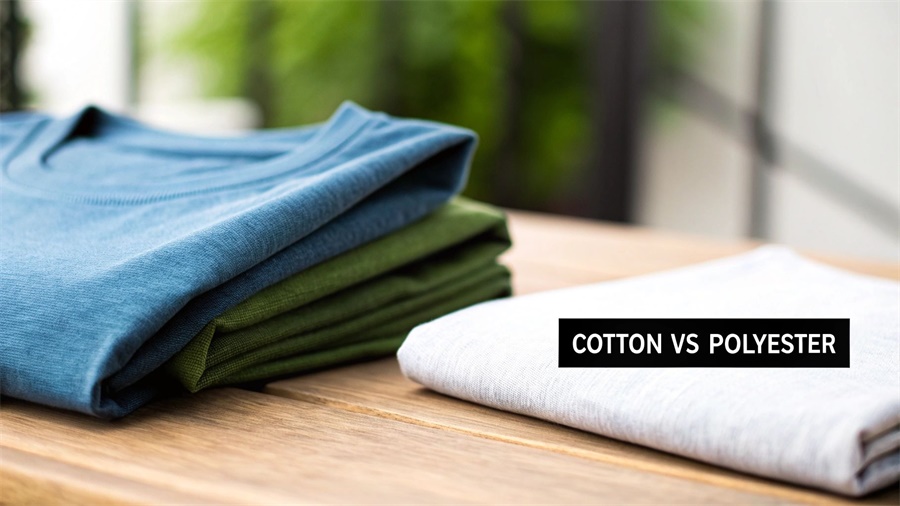
The table below provides a clear overview of how cotton and polyester compare across key attributes in DTF printing.
| Attribute | Cotton | Polyester |
|---|---|---|
| Print Vibrancy & Finish | Softer, muted colors with a matte finish. | Bright, highly saturated colors with a glossy finish. |
| Hand Feel & Comfort | Exceptionally soft and breathable. | Smooth and durable, but less breathable. |
| Adhesion & Durability | Excellent, integrated bond; print softens gracefully over time. | Extremely strong surface bond; highly resistant to fading and cracking. |
| Moisture Handling | Absorbent; can feel heavy when wet. | Moisture-wicking; dries quickly. |
| Ideal Use Cases | Fashion apparel, branded merchandise, casual wear. | Athletic wear, team uniforms, workwear, performance gear. |
| Key Application Note | Requires consistent pressure for even adhesion on textured fibers. | Requires careful heat/pressure settings to prevent dye migration. |
Critical Considerations for Application & Care
Each fabric presents unique technical considerations during the printing process and requires specific care to ensure longevity.
For Polyester: Preventing Dye Migration
The biggest challenge with polyester is dye migration, where the fabric’s dye bleeds into the white ink of the transfer when heat is applied. To combat this:
- Use the lowest effective temperature and shortest press time.
- Consider using specialty dye-blocking or high-opacity transfers designed for dark synthetics.
- Always conduct a test press on a spare piece of your specific garment.
For Cotton: Ensuring Consistent Adhesion
Cotton’s natural texture can sometimes lead to uneven adhesion if not pressed properly. The key is using firm, even pressure across the entire design to ensure the adhesive bonds fully with the fibers.
Care Instructions for Long-Lasting Prints
To maximize the life of DTF prints on any fabric:
- Wash garments inside out to protect the print from abrasion.
- Use cold water and a mild detergent.
- Tumble dry on low heat or, ideally, air dry. High heat is the primary enemy of any printed garment.
Making the Final Choice for Your Project
The decision between cotton and polyester hinges on the purpose of the garment:
- Choose Polyester when your priority is maximum color vibrancy, durability, and moisture-wicking performance. It is the undisputed choice for sports jerseys, activewear, and work uniforms.
- Choose Cotton when your goal is a premium, soft hand-feel, breathability, and a classic matte look. It is ideal for fashion t-shirts, retail brand merchandise, and casual wear.
- Consider a Cotton-Polyester Blend to achieve a balance. Blends offer the softness of cotton with the added durability and color pop of polyester, making them excellent for everyday polos and casual apparel.
Ultimately, a successful project comes from matching the fabric’s inherent strengths to your design goals and the garment’s end use. By understanding these core differences, you can consistently select the right material to produce professional, high-quality results that meet your customers’ expectations.