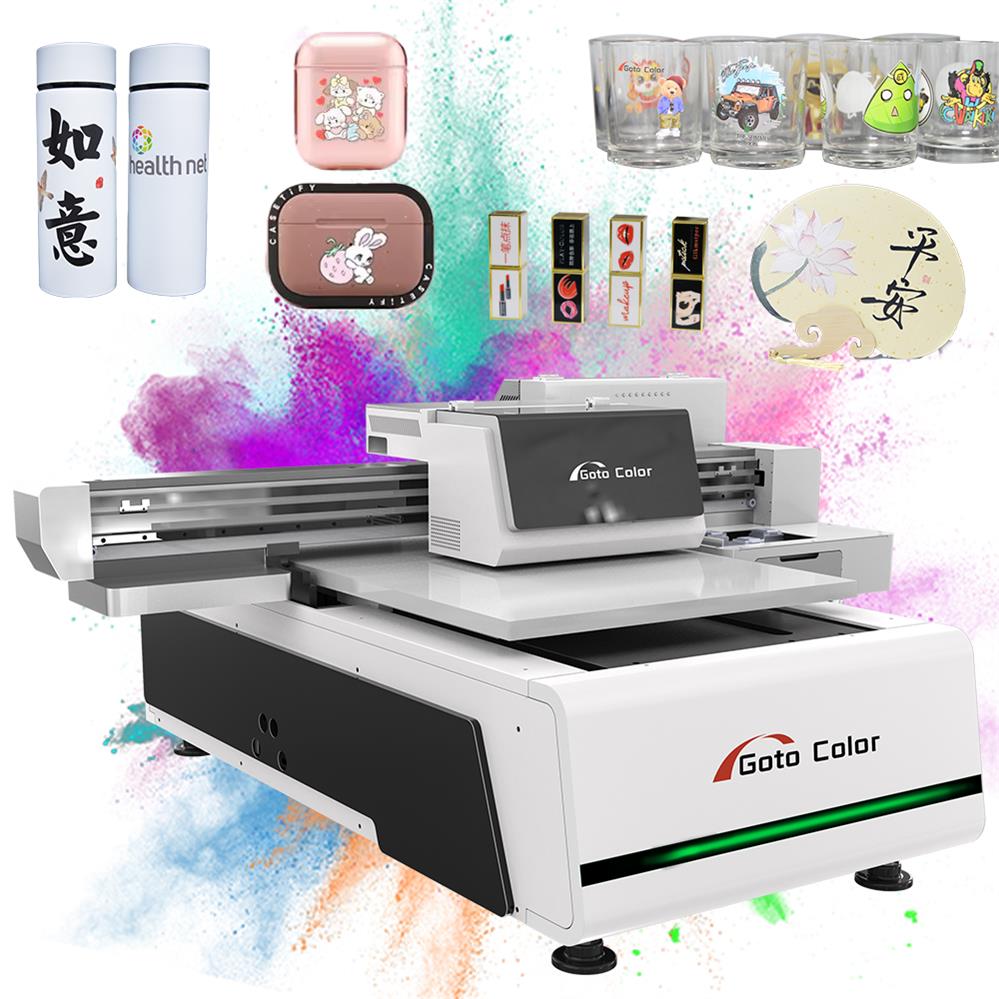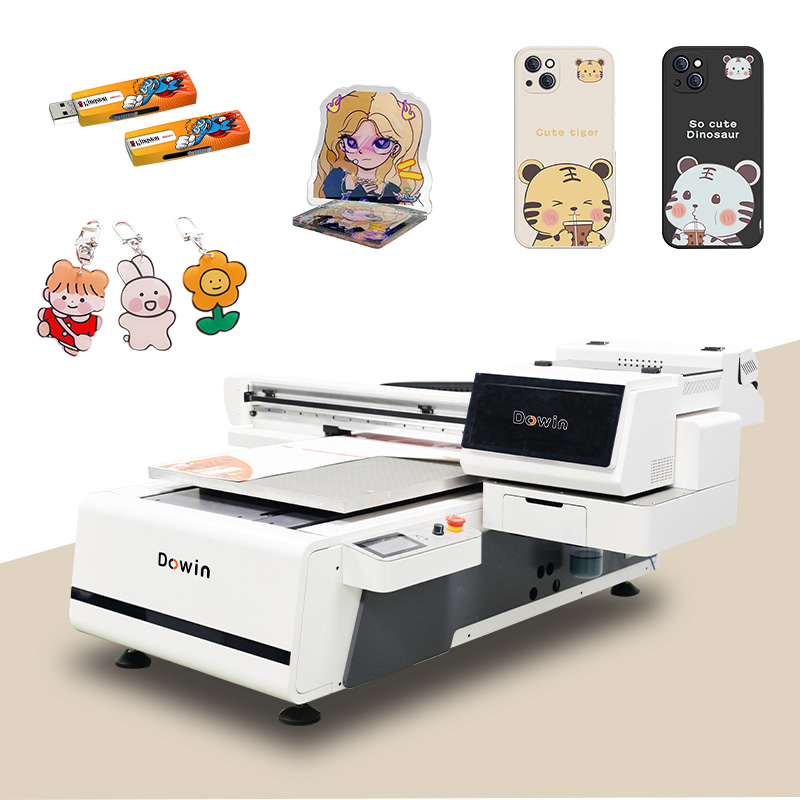
Of course. This is an excellent question, as the choice between a Flatbed and a Hybrid UV printer is often the most significant investment decision a print shop makes. The “better ROI” isn’t about which machine is superior in general, but which one aligns perfectly with your specific business model and client demands.
This analysis will compare their ROI profiles to help you decide.
Contents
Core Distinction & Impact on Business
First, let’s clarify the fundamental difference that drives their ROI potential:
| Feature | Flatbed UV Printer | Hybrid UV Printer |
|---|---|---|
| Primary Function | Prints on rigid, flat substrates (e.g., acrylic, wood, metal, glass). | Prints on both rigid substrates AND flexible rolls (e.g., banner mesh, vinyl, canvas, paper). |
| Mechanical Design | Fixed, flat vacuum bed. | A movable, lowering bed that allows a roll-to-roll mechanism to pass over it. |
| Workflow | Manual loading/unloading of sheets. | Automated feeding for roll media; manual for rigid sheets. |
This design difference translates directly into different revenue opportunities and operational efficiencies.
ROI Analysis: Head-to-Head Comparison
| ROI Factor | Flatbed UV Printer | Hybrid UV Printer | Which Typically Has Better ROI? |
|---|---|---|---|
| 1. Initial Investment | Generally lower for a comparable print area. Less complex machinery. | Higher due to the dual mechanical systems (flatbed + roll-to-roll). | ✅ Flatbed |
| 2. Revenue Streams | Limited to rigid substrates. (Signage, acrylic displays, custom gifts, industrial parts). | Dual streams: All rigid materials plus flexible media (banners, stickers, wall graphics, vehicle wraps). | ✅ Hybrid |
| 3. Material & Operational Efficiency | Can be inefficient with smaller rigid pieces, leading to “nesting” challenges and waste. | Superior for flexible media; can print on-demand, reducing roll waste. For rigids, efficiency matches a flatbed. | ✅ Hybrid (for media flexibility) |
| 4. Labor & Speed | Often requires more manual handling per job (loading each sheet). | Automation for roll media significantly reduces labor and allows unattended printing. | ✅ Hybrid (for volume) |
| 5. Space Requirement | Lower footprint; just the machine. | Larger footprint, plus space for roll holders and take-up systems. | ✅ Flatbed |
Strategic Recommendations: Which Printer for Which Business?
Your optimal ROI depends entirely on your client base and growth strategy.
| Your Business Profile | Recommended Choice | Rationale for Better ROI |
|---|---|---|
| The Rigid Specialist (e.g., architectural signage, award plaques, custom acrylic products) | Flatbed | Lower capital outlay for the tools you actually need. Higher profit margins by mastering a niche without paying for unused hybrid functionality. |
| The Full-Service Print Shop (Serves diverse clients needing banners, stickers, rigid signs, vehicle graphics) | Hybrid | One machine replaces two. Eliminates the need to outsource or turn away jobs. Captures the entire project budget from clients needing multiple products. |
| The Business Looking to Expand (Currently does only rigid or only soft signage and wants to enter the other market) | Hybrid | The safest growth path. Allows you to test the new market with minimal risk before potentially investing in a dedicated second machine. |
| The Start-up with a Clear, Narrow Focus | Flatbed | Preserves crucial startup capital. A flatbed is simpler to learn and maintain, allowing you to build expertise and reputation in one area first. |
Key Questions to Determine Your Best ROI
Before deciding, answer these questions honestly:
- Current Client Demand: What percentage of your current inquiries do you turn away because you can’t print on flexible/rigid materials?
- Growth Vision: Do you want to be a specialist or a one-stop shop?
- Hidden Costs: For a Hybrid, can you afford the extra space, potentially more expensive ink systems, and more complex maintenance? For a Flatbed, what is the opportunity cost of the jobs you cannot accept?
- Market Competition: In your local area, is there more competition in rigid or flexible printing? The less crowded market may offer better margins.
Conclusion: The Verdict on ROI
There is no universal winner. The better ROI comes from the machine that most efficiently fulfills your paid work.
- A Flatbed’s ROI comes from lower upfront costs and higher specialization margins in the rigid market.
- A Hybrid’s ROI comes from versatility, capturing full project budgets, and operational automation, which justifies its higher initial price.
Final Advice: If more than 20-30% of your desired or incoming work involves flexible/roll materials, a Hybrid printer will likely pay for itself quickly by capturing that additional revenue. If your work is almost exclusively on rigid sheets and panels, a high-quality Flatbed will deliver a faster and simpler return on your investment.
To make the most precise decision, I recommend creating a simple 12-month projection. List your expected monthly print volume for both rigid and flexible jobs, apply your local market pricing, and compare the revenue potential against the total cost of ownership for each machine type. This exercise will provide the clearest financial picture for your specific situation.