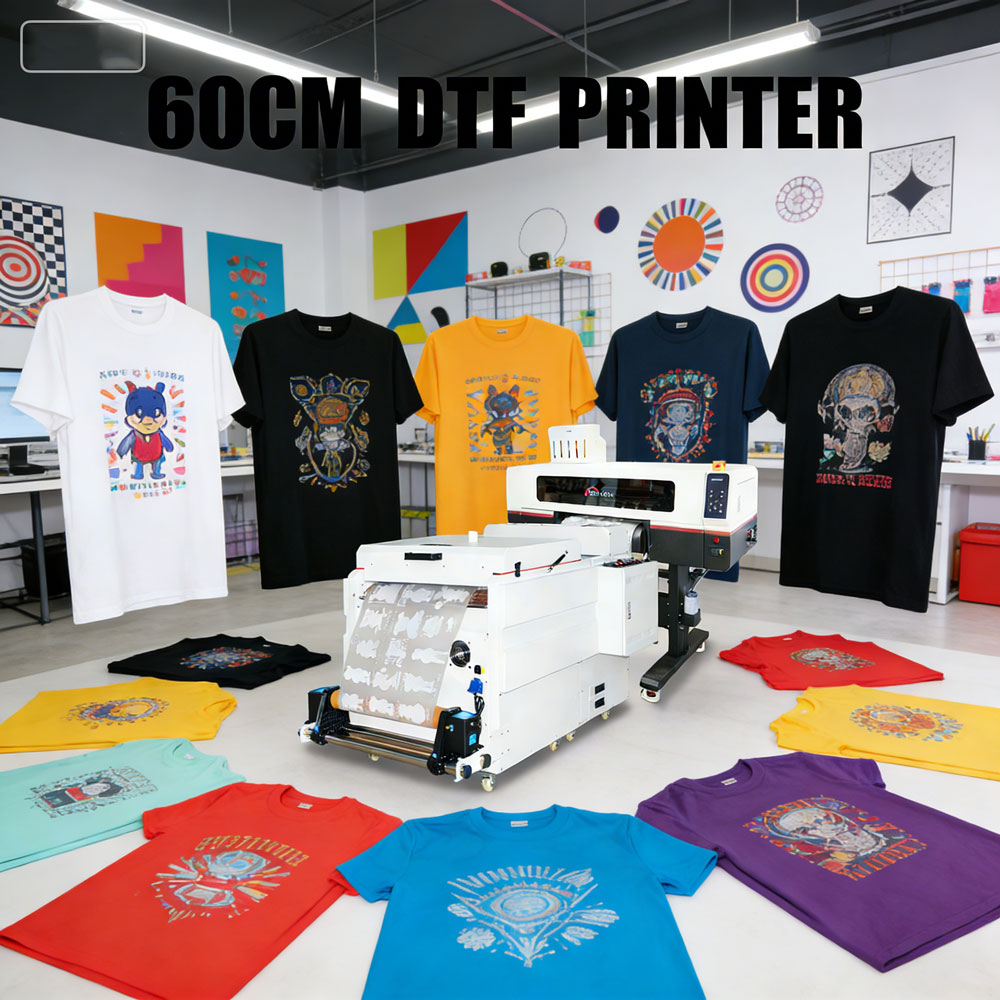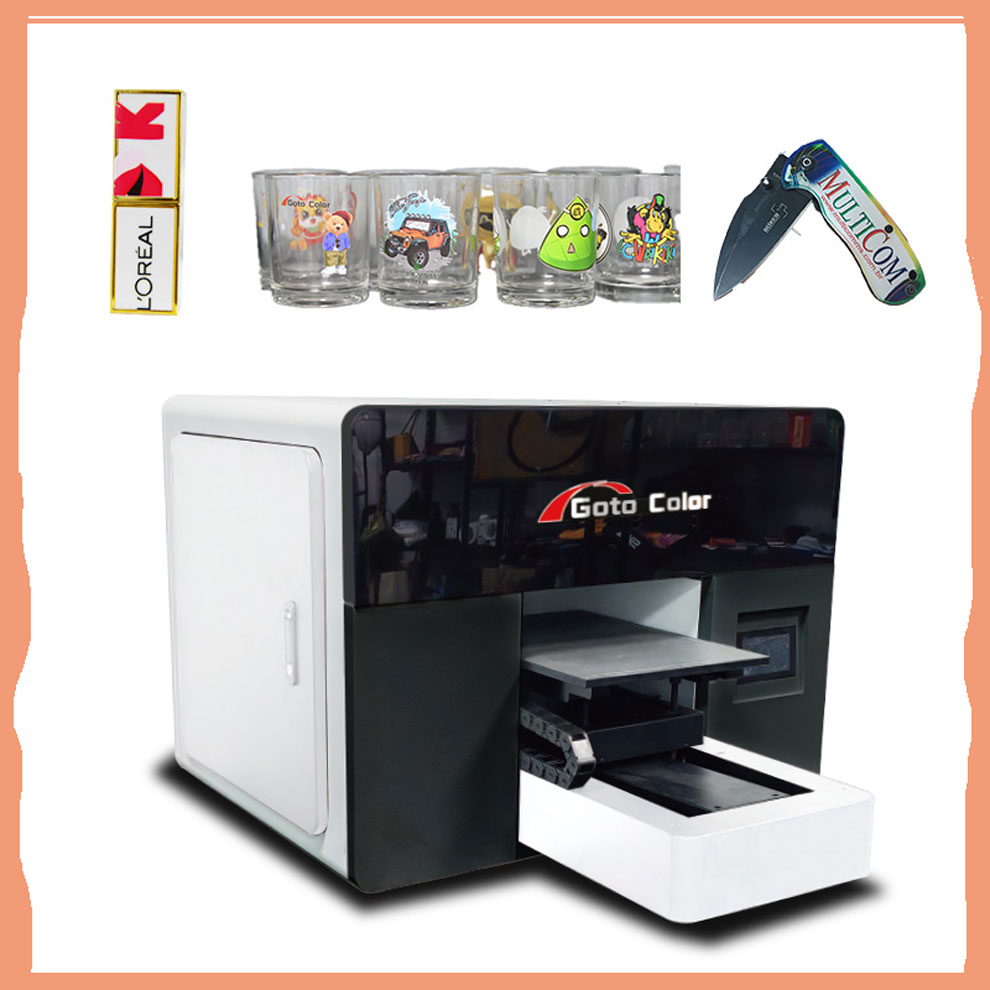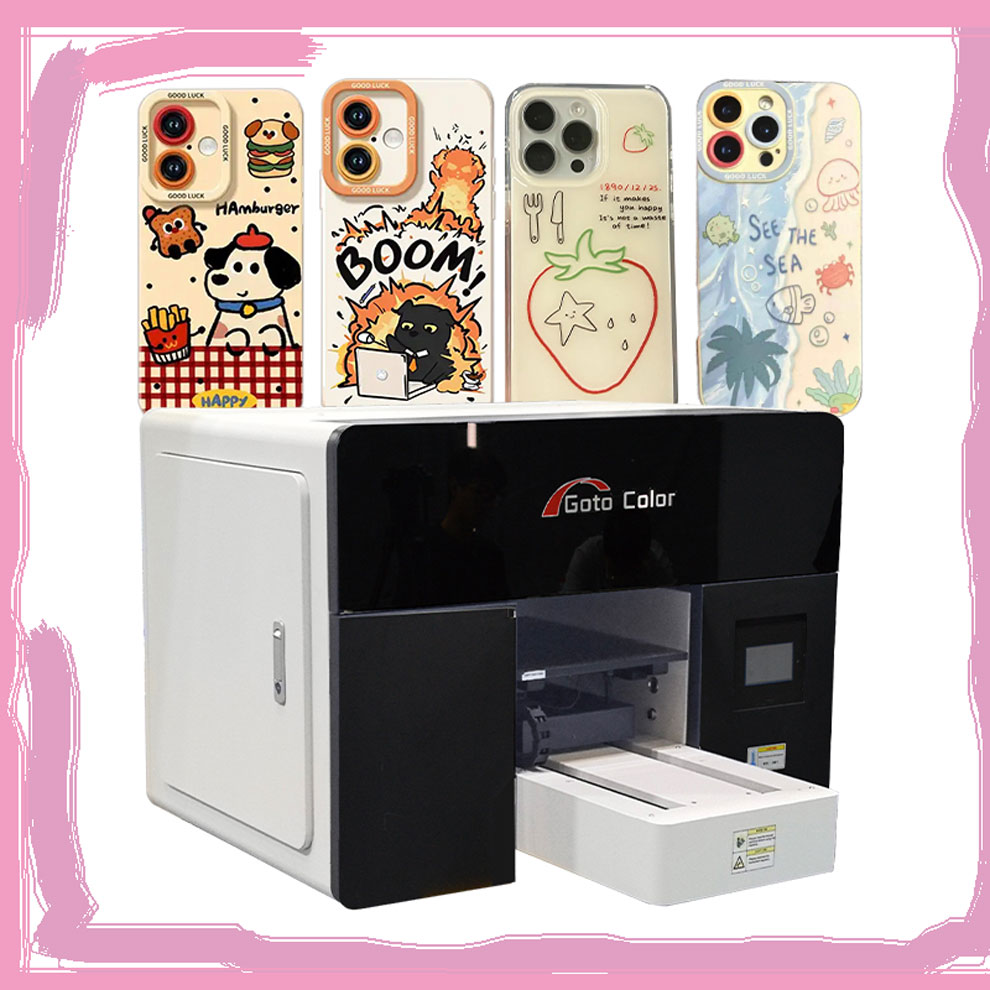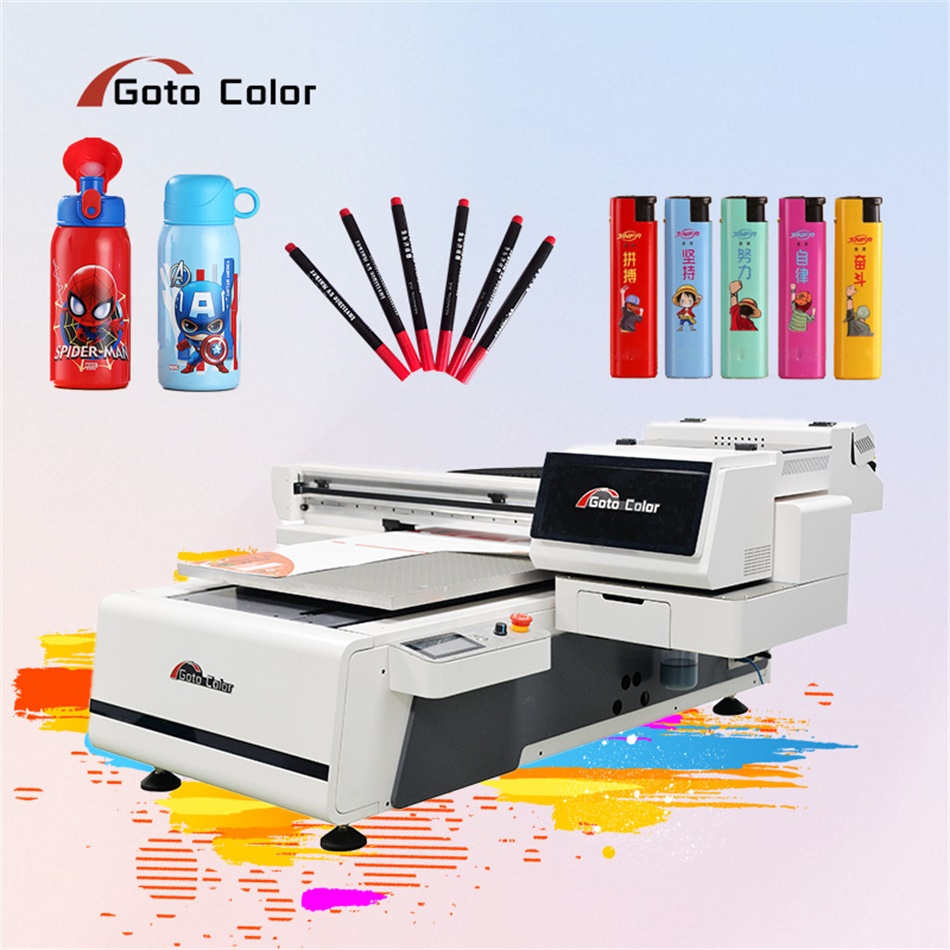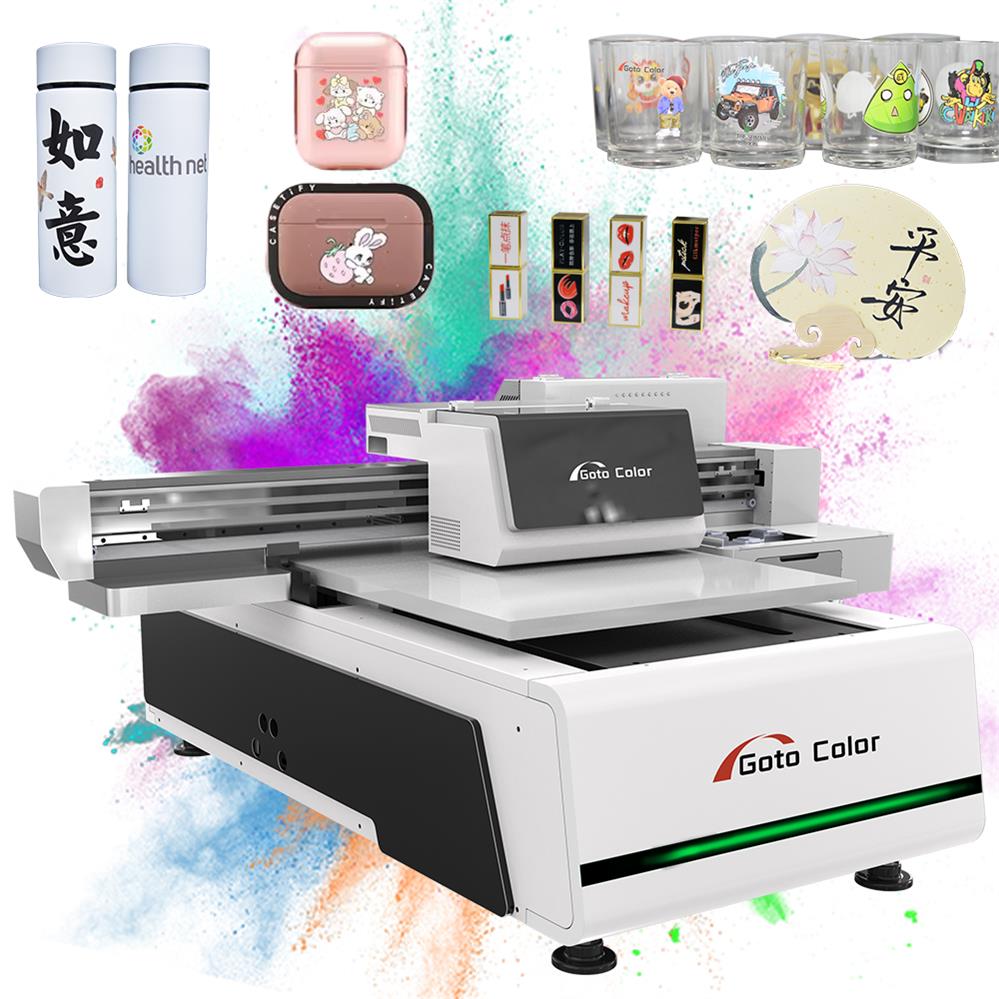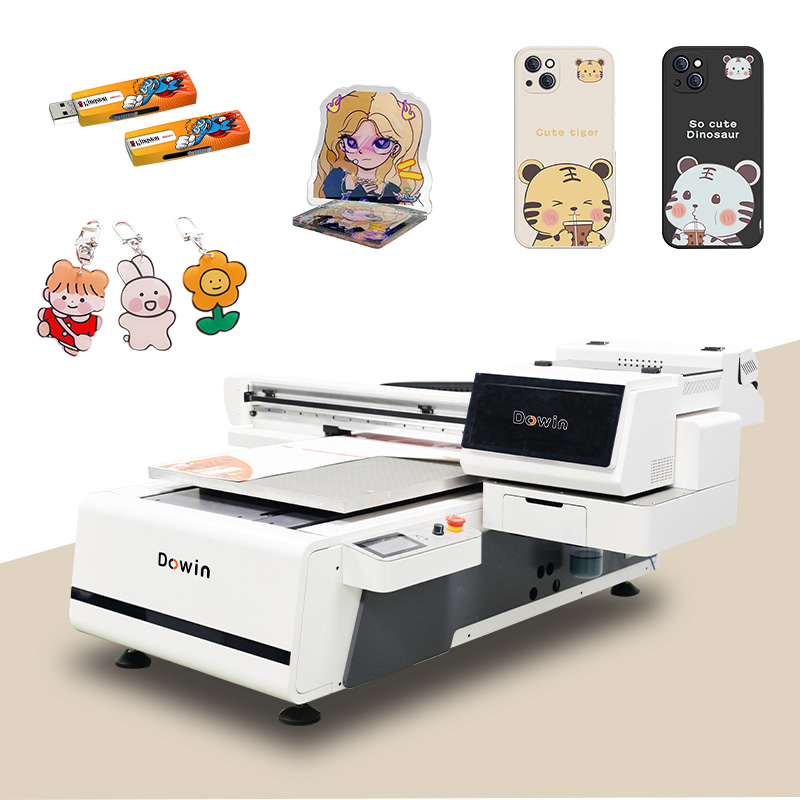
In an era that values personalization and brand identity, ID cards have evolved beyond mere functional tools—they are now important carriers of personal image and organizational branding. Traditional card manufacturing has long been constrained by printing processes, struggling to meet demands for small batches, high complexity, and rapid delivery. The advent of UV Flatbed Printing Technology is fundamentally changing this landscape, offering unprecedented possibilities for the personalized production of smart cards.
Contents
Core Advantages of UV Printing for ID Cards
Unlike traditional offset or screen printing, UV printing is a digital, direct printing method. It utilizes ultraviolet light to instantly cure special inks as they are jetted onto the surface of the card blank. This mechanism provides several decisive advantages for card personalization:
| Feature | Benefit for ID Card Production | Traditional Method Comparison |
|---|---|---|
| Direct Digital Printing | No need for printing plates, films, or screens. Ideal for one-off cards or highly variable data (photos, names, IDs). | Requires costly and time-consuming plate setup for each new design or variable element. |
| Material Versatility | Can print directly onto a vast range of card substrates: PVC, PET, ABS, metal, wood veneer cards, and even polycarbonate. | Often limited to specific coated materials; may require pre-treatment or special inks for different plastics. |
| Instant Curing | Ink is solidified the moment it is exposed to UV light. Allows for immediate handling, stacking, or lamination, accelerating workflow. | Requires drying time (from minutes to hours), increasing production time and risk of smudging. |
| Durability & Security | UV inks are highly resistant to scratches, fading, and chemicals. Can be combined with overlay films or lamination for extended card life. | Some inks may remain vulnerable to abrasion or solvents until fully dried or laminated. |
| High Resolution & Detail | Capable of photographic quality (up to 1200+ DPI), reproducing fine text, intricate security patterns, and high-definition portraits. | Detail can be limited by screen mesh or plate resolution, especially for complex images. |
| Special Effects | Can print raised textures (foil-like effects), gloss/matte spot varnish, and even scannable QR codes in a single pass. | Special effects typically require separate, secondary processes (hot stamping, varnishing units). |
The UV Printing Workflow for ID Cards
A streamlined production process is key to efficiency. Here is a typical workflow for personalizing cards with a UV flatbed printer:
- Design & Data Preparation: Create the card template in design software (e.g., Adobe Illustrator). Variable data (photos, text) can be linked from a database or spreadsheet. This file is processed by the printer’s RIP (Raster Image Processor) software.
- Card Blank Preparation: Load the chosen card stock (e.g., 30-mil PVC) onto the printer’s flatbed. The vacuum table ensures they remain perfectly flat and stationary during printing. No chemical pre-treatment is needed.
- Printing & Instant Curing: The print heads move across the cards, jetting CMYK (and often white or varnish) inks. Integrated UV LED lamps follow immediately behind, curing each droplet instantly.
- Quality Check & Post-Processing: After printing, cards can be immediately inspected. They are then typically passed through a card lamination machine to apply a protective overlay, enhancing durability and adding a professional finish.
- Finishing: Finally, cards are cut to final size (if not pre-cut) and encoded with magnetic stripes, chips, or RFID inlays if required—a process that can be done before or after printing depending on the technology.
Key Considerations When Choosing a UV Printer for Card Production
If you’re integrating UV printing into your card personalization business, focus on these specifications:
| Printer Consideration | Why It Matters for Cards |
|---|---|
| Print Area & Bed Configuration | Choose a printer with a bed size that efficiently fits your standard card layouts (e.g., multiple cards per sheet). A multi-zone vacuum bed is ideal for holding many small cards securely. |
| Print Resolution & Head Type | Aim for a minimum 600 DPI true resolution for sharp text and images. Industrial-grade piezoelectric print heads (e.g., Ricoh Gen 6) offer reliability for high-volume runs. |
| White Ink & Varnish Capability | White ink is essential for printing on transparent or dark-colored card stock. A spot varnish channel allows you to add glossy highlights over specific areas (like logos) for a premium effect. |
| Registration & Precision | The printer must have excellent mechanical registration accuracy (±0.1mm or better) to ensure that fine lines, barcodes, and text align perfectly, especially on double-sided prints. |
| Software & Connectivity | The RIP software should support variable data printing (VDP) seamlessly and allow easy color management to match corporate brand colors (Pantone libraries). |
Business Applications: Expanding Your Card Service Offerings
With a UV flatbed printer, your service portfolio can expand far beyond standard-issue photo ID cards:
- Corporate & Event Branding: Create unique, high-end employee badges, conference passes, and VIP cards with full-bleed images, company branding, and special textures.
- Limited Edition & Promotional Cards: Produce small runs of collector cards, loyalty cards, or gift cards with personalized elements for marketing campaigns.
- Specialized Identification: Print on specialty materials like biodegradable cards, synthetic paper, or thin aluminum for distinctive membership or access cards.
- Prototype & Short-Run Production: Perfect for design verification and producing functional prototypes or small batches before committing to large-scale offset printing.
Conclusion: The Future of Card Personalization is On-Demand
UV printing technology democratizes high-quality, secure, and creative card manufacturing. It shifts the paradigm from mass production to mass customization, allowing businesses, schools, and organizations to produce professional-grade, durable ID cards on-demand, with limitless design flexibility and rapid turnaround times.
For any organization looking to enhance security, brand presence, and user experience through their identification systems, investing in UV flatbed printing is a strategic step toward a more agile and personalized future. The ability to turn a digital concept into a tangible, professional card in a matter of minutes is no longer a luxury—it’s the new standard in smart card production.