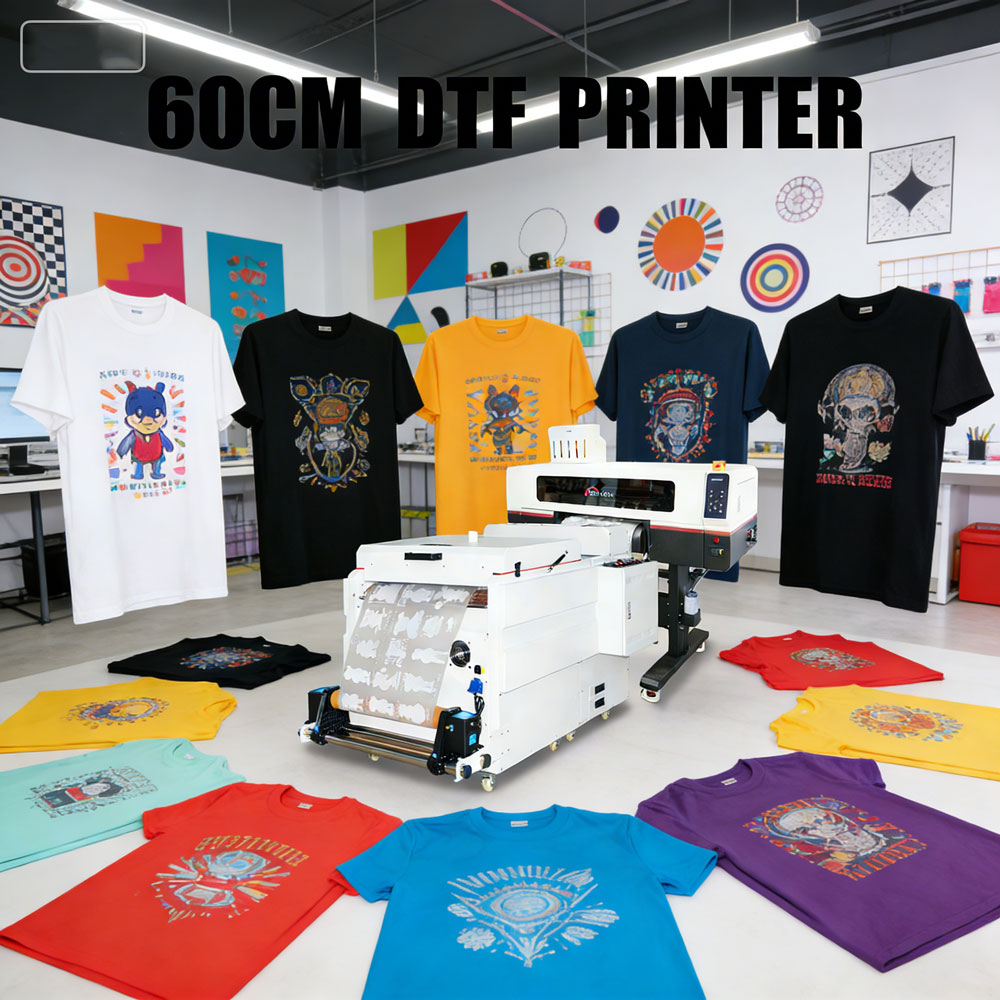
In the dynamic world of custom apparel, Direct-to-Film (DTF) printing has emerged as a transformative technology. It allows creators to apply vibrant, full-color designs to a vast array of fabrics without the need for pre-treatment. This makes it a standout choice for producing high-quality, durable t-shirts, especially for small to medium batches.
However, navigating the various DTF equipment, materials, and techniques can be daunting. This guide will demystify the core process, compare the key variations, and provide a clear framework to help you select the ideal DTF solution for your specific needs and scale.
Contents
Core DTF Principles: How It Works
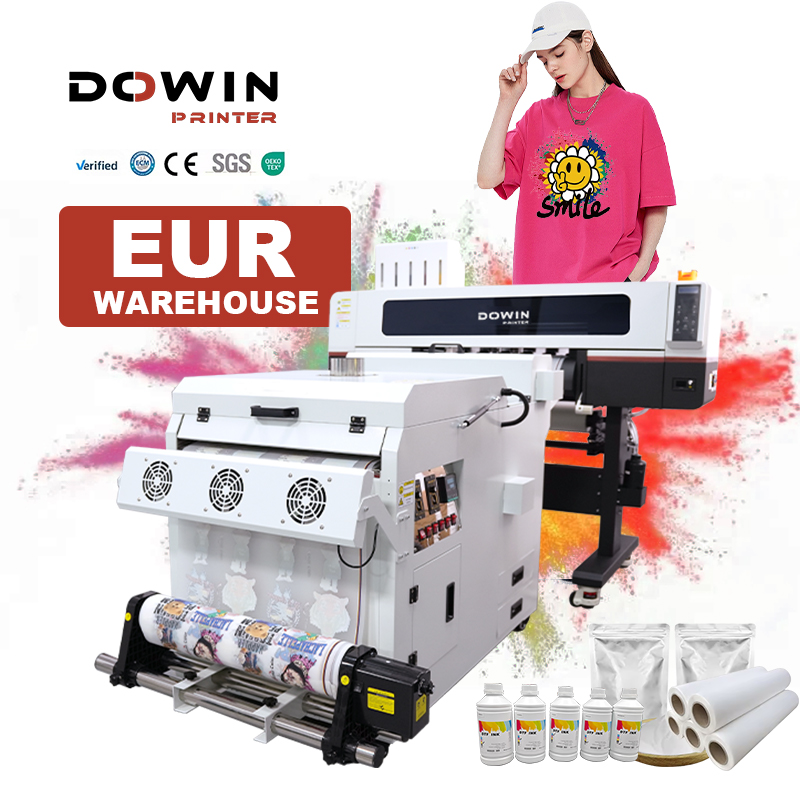
At its heart, DTF is a transfer process. A design is printed in reverse onto a special PET film using pigment-based inks. While the ink is still wet, a fine adhesive powder is applied, which sticks only to the printed areas. The film is then cured with heat, melting the powder into a solid adhesive layer. Finally, using a heat press, the entire transfer is bonded onto the garment. This creates a flexible, soft-to-the-touch print that is highly durable.
This fundamental process branches into several key variations, each with its own advantages.
Key Variations in DTF Printing
| Feature/Variation | Description & Typical Use Case | Key Considerations |
|---|---|---|
| Printing Format | Sheet Printing: Uses pre-cut film sheets. Roll Printing: Uses continuous film rolls. | Sheets are ideal for prototyping, small runs, and low waste. Rolls maximize efficiency and automation for high-volume production. |
| Printer Configuration | Defined by the number of print heads (e.g., 2-head, 4-head, 6-head). | More heads allow for dedicated ink channels (Cyan, Magenta, Yellow, Black, White), leading to faster printing, richer colors (especially white opacity), and reduced maintenance. A 2-head system is a common entry point. |
| Ink Curing Method | Regular/Heat-Cure DTF: Uses heat to dry and cure inks. UV DTF: Uses ultraviolet light to instantly cure special UV inks. | Regular DTF is the standard, cost-effective approach. UV DTF offers significantly faster drying (allowing immediate powdering), often with vibrant colors, but requires a specific UV-capable printer and ink system. |
| Adhesive Powder & Film | Powders vary in coarseness; films vary in thickness and peel type (Cold Peel / Hot Peel). | Finer powder suits detailed designs. Coarser powder may offer better bonding on textured fabrics. Cold peel films yield a matte finish, while hot peel films give a glossy finish. |
Choosing the Right Method for Your Fabric
The best DTF method often depends on your target garment:
- Cotton & Cotton Blends: Standard heat-cure DTF excels here. The fabric absorbs the adhesive well, creating a strong, soft bond. A printer with a strong white ink output is crucial for vibrant designs on dark shirts.
- Polyester & Synthetic Blends: UV DTF can be advantageous due to its quick curing, which helps prevent ink migration on synthetic fibers. Using the correct adhesive powder designed for synthetics is also key to wash durability.
- Performance & Tricot Fabrics: Always conduct a sample test. The stretch and texture of these materials require specific powder types and precise pressing settings to ensure the transfer flexes and adheres correctly.
How DTF Stacks Up Against Other Methods
It’s helpful to see where DTF fits in the broader printing landscape:
- DTF vs. DTG (Direct-to-Garment): DTG prints ink directly onto the garment. It offers an exceptionally soft hand feel but usually requires pre-treating dark garments, which adds a step. DTF typically provides better color vibrancy on darks without pre-treatment and works on a wider range of fabrics.
- DTF vs. Screen Printing: Screen printing is the champion for very large, simple-design orders due to its low cost per unit at high volumes. However, it is impractical for multi-color or photorealistic designs in small quantities, where DTF’s versatility shines.
- DTF vs. Sublimation: Sublimation infuses dye into polyester fibers, creating extremely durable, seamless prints. However, it is only effective on light-colored polyester or polyester-coated substrates. DTF works on both natural and synthetic fabrics of any color.
Practical Selection Guide
Your optimal path depends on your business stage and goals:
- For Beginners & Hobbyists:
Start with a basic 2-head DTF printer using sheet film and standard heat-cure inks. This setup minimizes upfront investment and complexity while allowing you to master the core process. Focus on mid-weight cotton t-shirts for the most consistent results. - For Growing Businesses & Volume Production:
Consider upgrading to a 4-head or 6-head printer and switching to roll printing. This significantly increases production speed and color consistency. If you print a high volume of synthetic garments, evaluate the ROI of a UV DTF system for its speed benefits. - For Those Preferring No Equipment Investment:
Utilize DTF printing services or print-on-demand providers. This is an excellent way to test the market, offer a wide product range, or fulfill orders without handling production. Look for suppliers that offer sample transfers to check their quality.
Pro Tips for DTF Success
- Quality is King: Invest in good inks, film, and powder. They are the foundation of durable, vibrant transfers.
- Master Your Heat Press: Time, temperature, and pressure are critical. Follow your material supplier’s guidelines and always do a test press.
- Prioritize Maintenance: Clean your printer’s print heads regularly to prevent clogs, especially when using white ink.
- Test Before Full Runs: Always make a sample transfer on the exact garment you plan to use. Conduct a wash test to ensure durability meets your standards.
By understanding these variables and aligning them with your project requirements, fabric choices, and business scale, you can confidently select the DTF printing version that will bring your t-shirt designs to life with quality and efficiency.