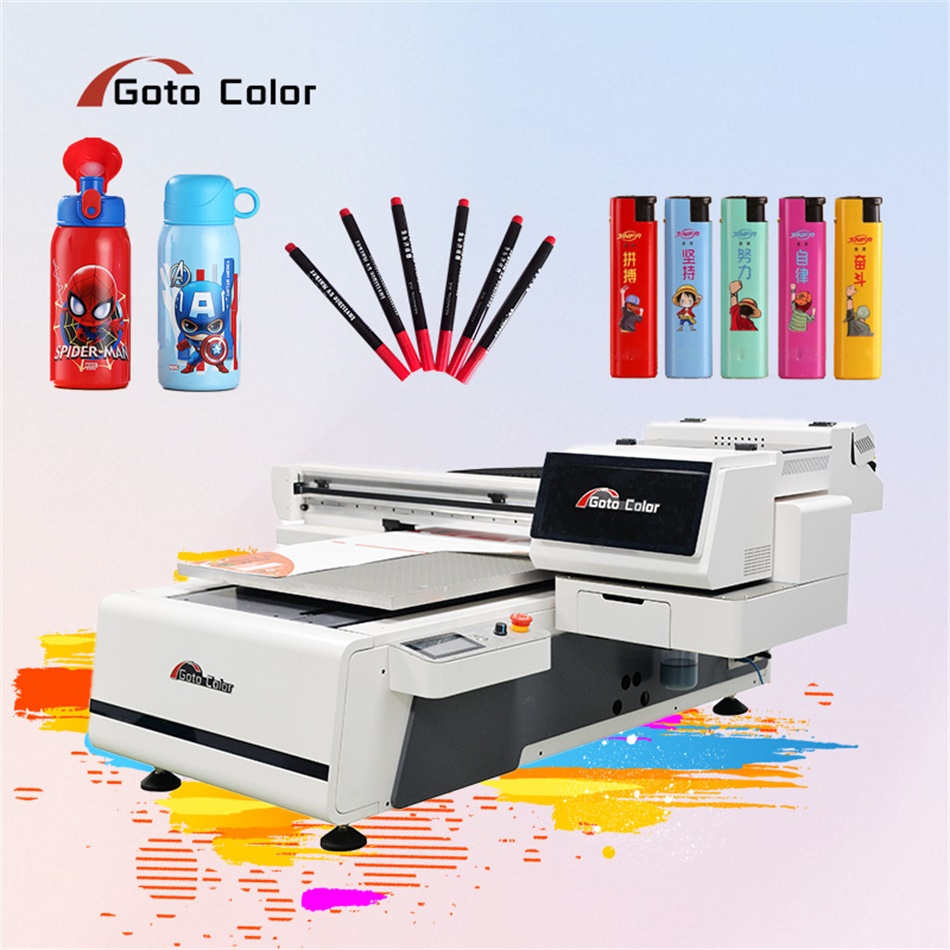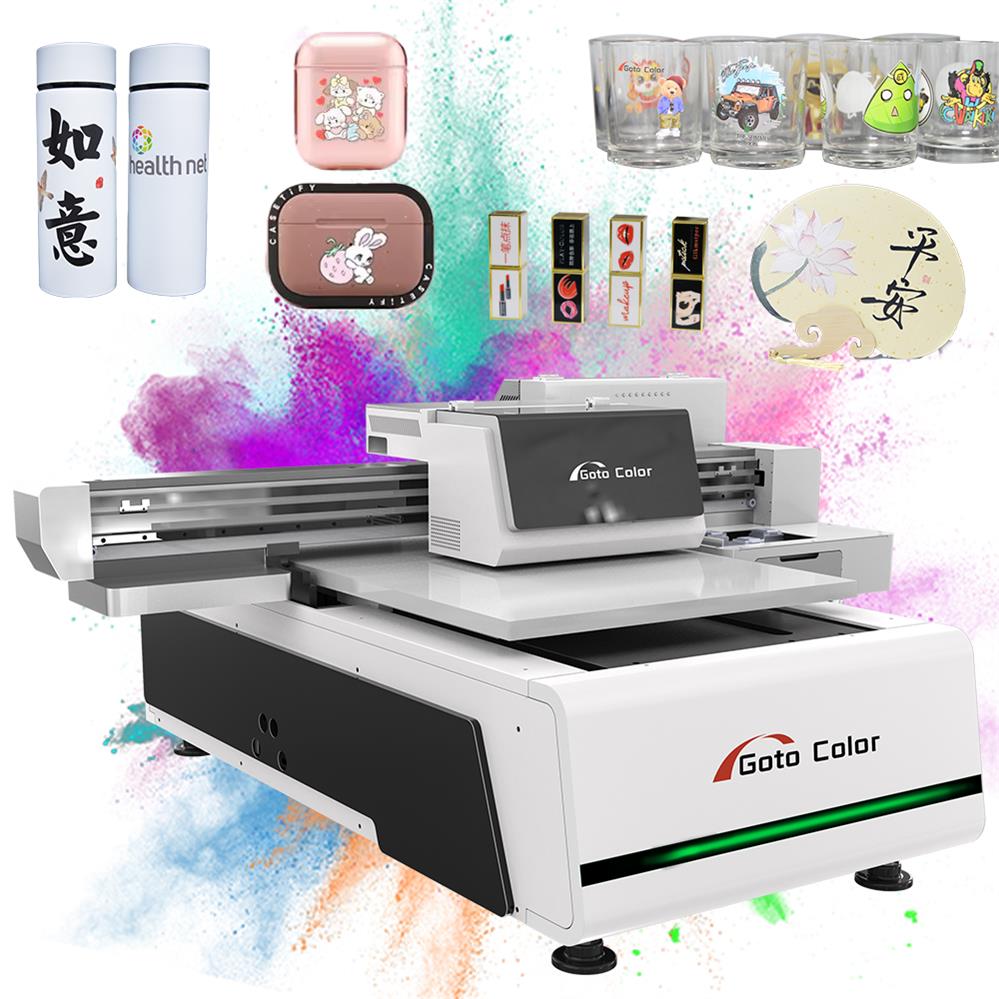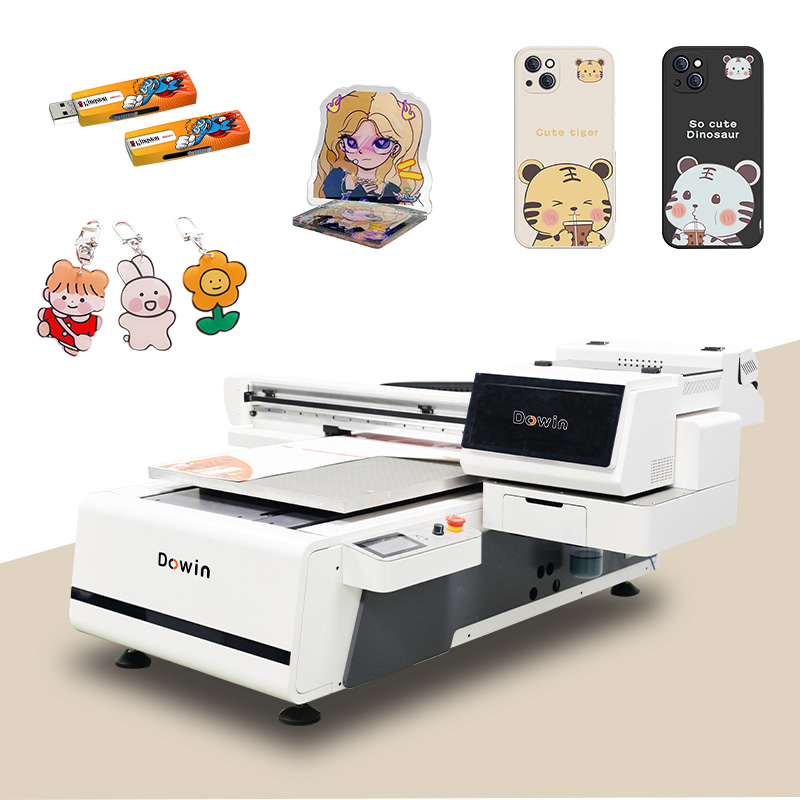
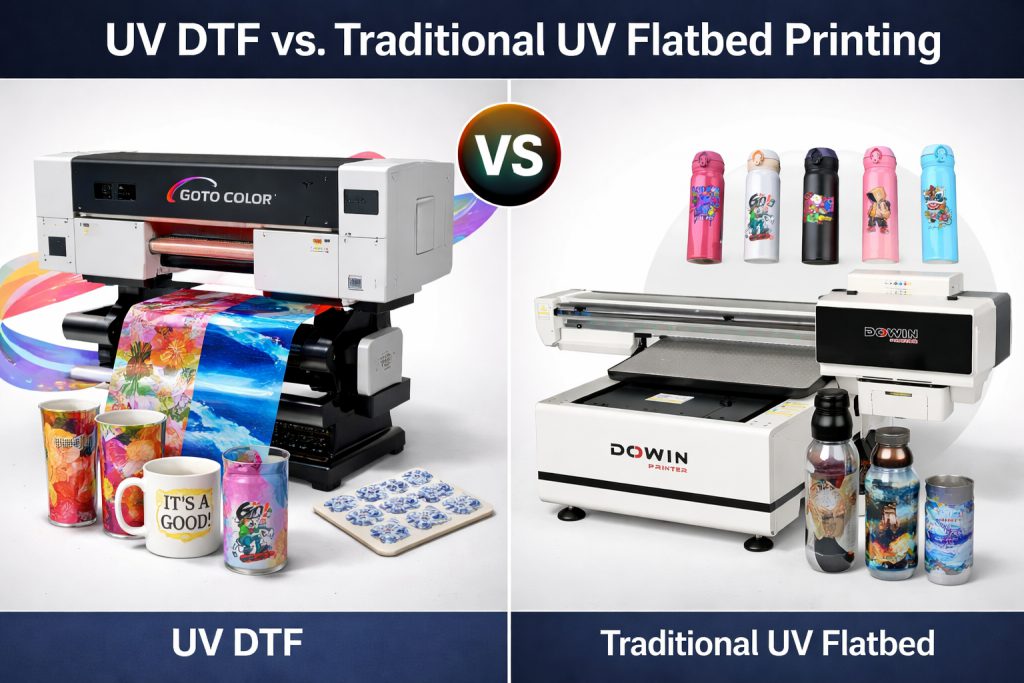
Navigating the world of UV printing can be challenging when faced with two distinct technologies: UV Direct-to-Film (DTF) and traditional UV flatbed printing. While both leverage UV-curable inks, their applications, workflows, and capabilities differ significantly. This guide provides a clear comparison to help you determine which method aligns best with your business needs.
Contents
Fundamental Process: From Print to Substrate
The core difference lies in the printing process and the relationship with the final object.
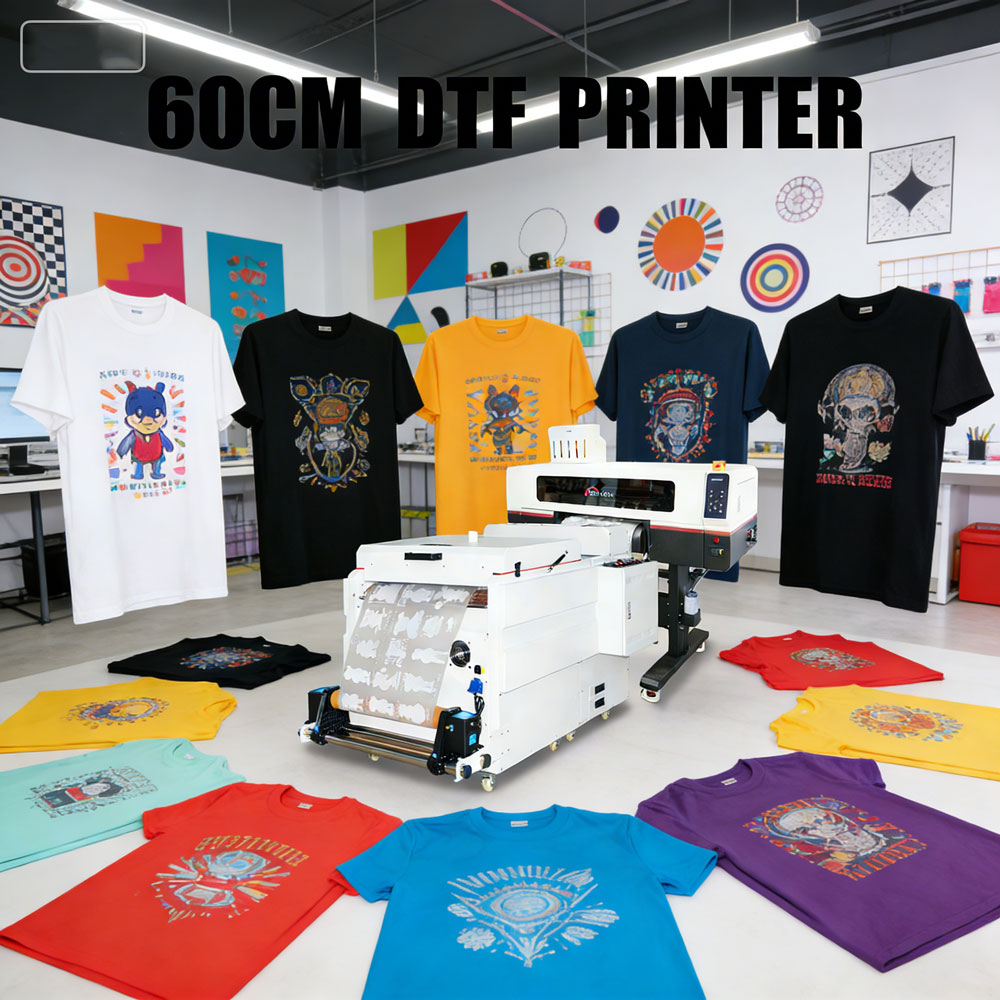
- UV DTF (Direct-to-Film): This is a two-stage, indirect transfer process.
- A design is printed onto a special, clear PET film using UV-LED inks, which are cured instantly.
- An adhesive layer (typically a pre-coated film or hot-melt powder) is applied to the cured print.
- This completed transfer film is then weeded and heat-pressed onto the final product, such as a t-shirt, bag, or cap.
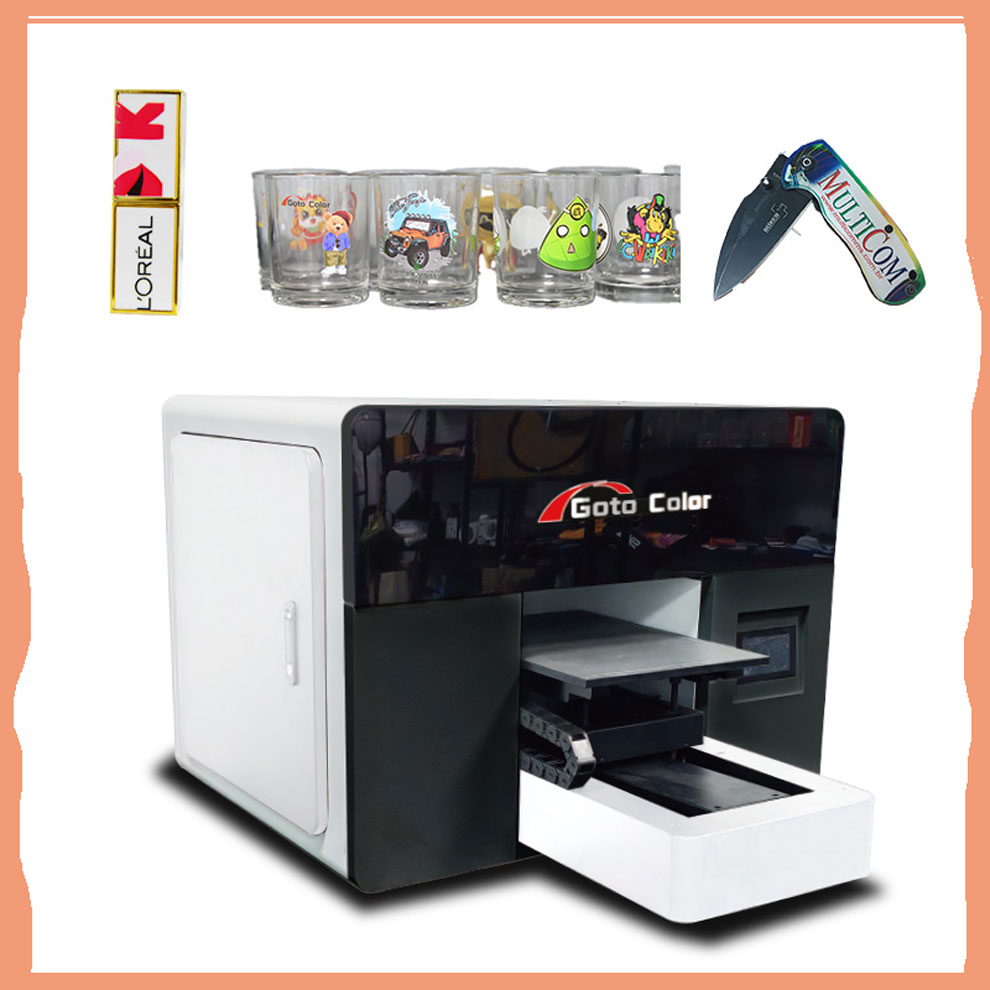
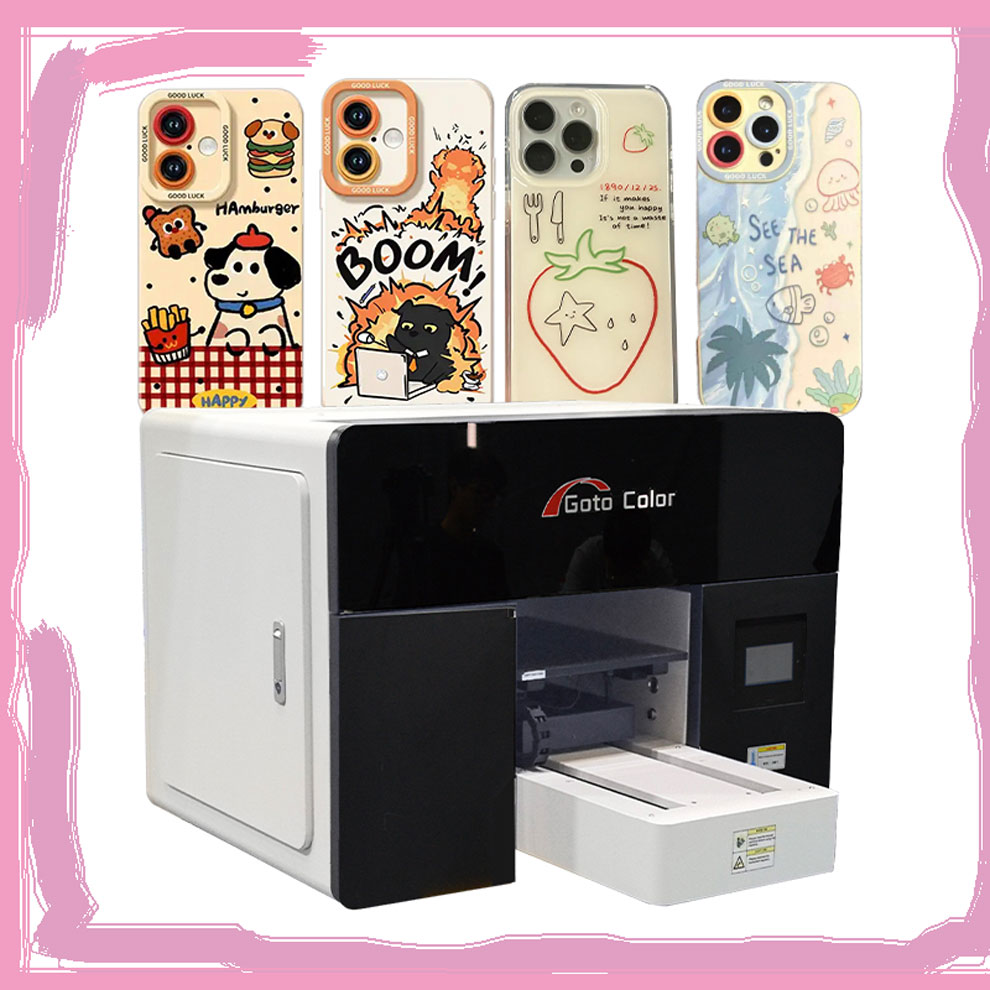
- Traditional UV Flatbed Printing: This is a one-stage, direct printing process.
- The object to be printed (e.g., a phone case, acrylic sign, wooden plaque) is placed directly onto the printer’s flatbed.
- The UV print heads move across the object, depositing and instantly curing ink directly onto its surface in a single pass.
Comparative Analysis: Strengths and Trade-offs
| Feature | UV DTF Printing | Traditional UV Flatbed Printing |
|---|---|---|
| Primary Process | Indirect transfer (print to film, then to product). | Direct printing onto the object. |
| Core Applications | Textiles (apparel, bags), curved/hard-to-press items (caps), mixed-product shops. | Rigid, flat objects (signage, phone cases, awards), industrial parts, large-format boards. |
| Material Versatility | Extremely High. Can transfer onto almost any material that withstands heat press: cotton, polyester, leather, denim, some hard surfaces. | High, but Direct. Prints directly on rigid/flat surfaces: wood, acrylic, glass, metal, plastic, some flexible boards. |
| Setup & Workflow | Requires printer, film, adhesive, and a heat press. Ideal for batch-producing transfers for later application. | Requires only the printer and the substrate. Object must fit on the bed. Better for individual, on-demand customization. |
| Print Durability | Excellent, depends on adhesive bond. Flexible and wash-resistant on fabrics. | Superior on hard surfaces. Extremely scratch, chemical, and weather-resistant due to direct bonding. |
| Production Speed | Fast printing, but bottlenecked by separate pressing stage. Efficient for multiple identical transfers. | Speed depends on object size/printer. Slower for single, thick objects but direct. |
| Hand Feel (on fabric) | Noticeable, flexible layer (similar to a high-quality vinyl). | Not applicable for textiles. |
| Initial Investment | Generally lower for equipment (desktop printers possible). | Significantly higher for a comparable print area industrial flatbed. |
| Operator Skill | Requires skill in both printing and heat-press application. | Requires skill in file setup, bed leveling, and handling diverse materials. |
Choosing the Right Technology for Your Business
Your decision should be driven by your primary product line and business model.
Choose UV DTF if your business focuses on:
- Apparel and Textile Decoration: This is UV DTF’s strongest suit, especially for cotton, polyester, and blends.
- Products with Complex Shapes: It is ideal for hats, shoes, or bags where direct printing is impossible.
- Batch Production: Creating a sheet of transfers for multiple identical items is highly efficient.
- Lower Initial Investment: You can start with a smaller, more affordable printer and a heat press.
Choose Traditional UV Flatbed Printing if your business focuses on:
- Rigid Signage and Promotional Products: Direct printing on acrylic, wood, metal, and plastic for awards, signs, and phone cases.
- Maximum Durability on Hard Surfaces: Where scratch and weather resistance are critical (e.g., outdoor signs).
- Direct, One-off Customization: Personalizing a single item directly without creating a transfer film.
- Large Format or Thick Objects: Printing directly on large boards or items several inches thick.
Conclusion: Complementary Technologies
UV DTF and traditional UV flatbed printing are not direct competitors but complementary technologies serving different markets.
- For textile-based, flexible, or curved items, UV DTF offers unmatched versatility and an accessible entry point.
- For rigid, flat substrates requiring industrial durability, traditional UV flatbed printing remains the superior, professional choice.
Businesses aiming to serve the broadest market—from custom t-shirts to branded corporate gifts—may find that investing in both technologies provides the ultimate capability to fulfill any client request. The key is to start with the technology that matches your core product line and expand as demand grows.