In the evolving world of custom apparel decoration, two modern transfer methods have gained prominence: the widely adopted Direct-to-Film (DTF) and the newer, innovative UV DTF. Both offer significant advantages over traditional techniques, but they differ in fundamental technology, process, and ideal applications. Choosing the right method for your business hinges on understanding these distinctions and aligning them with your specific production needs and goals.
This comprehensive guide will break down the differences in their ink systems, process workflows, equipment requirements, and final results to help you make an informed decision.
Contents
Core Technology: The Foundational Difference
The primary distinction lies in the type of ink used and its curing mechanism, which creates a chain reaction of differences throughout the entire process.
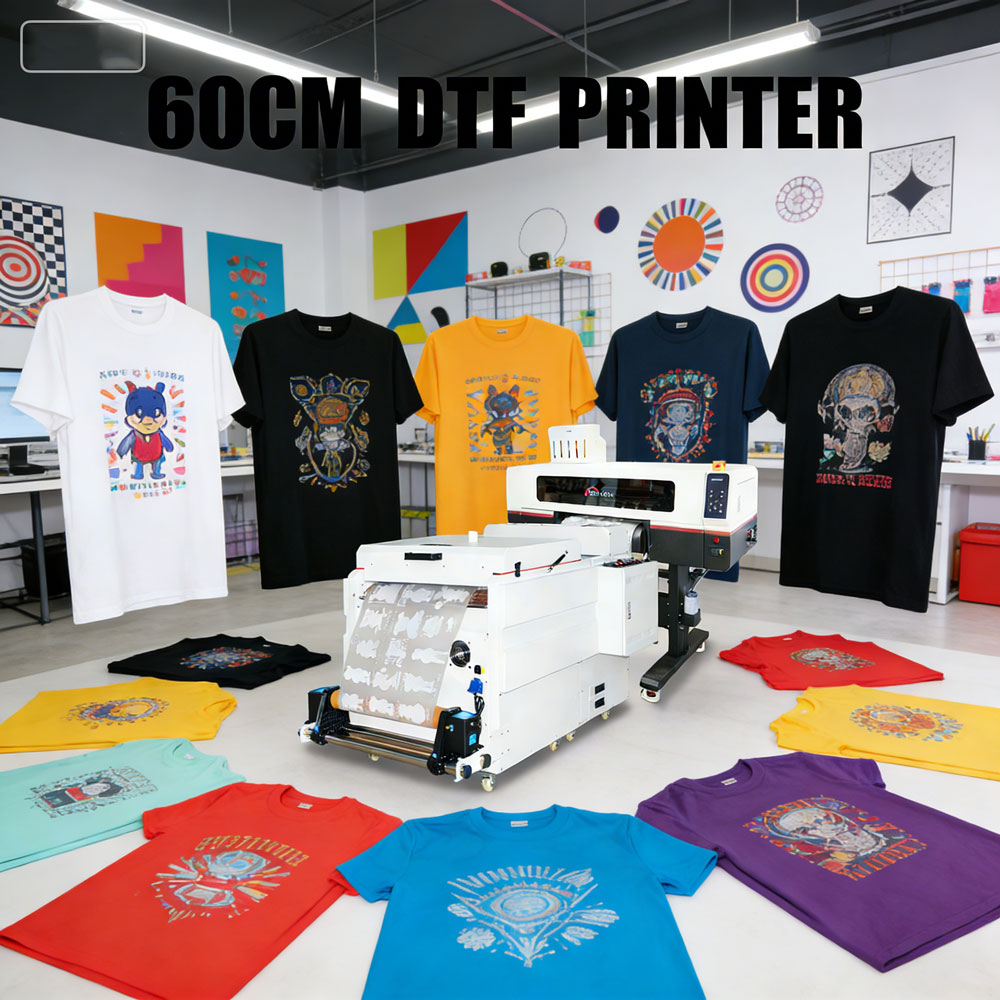
- DTF (Heat-Cure): Uses a pigment-based ink suspended in a water/glycol carrier. This ink is not instantly dry after printing. The liquid state of the wet ink is crucial, as it allows for the application of a fine thermoplastic adhesive powder, which sticks only to the printed areas. The transfer is then cured with heat, which simultaneously dries the ink and melts the powder into a solid adhesive layer.
- UV DTF: Uses a special UV-curable ink. This ink is instantly solidified or “cured” when exposed to a specific wavelength of ultraviolet (UV) light immediately after it is jetted from the print head. This rapid curing means the printed film is dry to the touch within seconds, eliminating the traditional “wet” stage.
Process & Workflow Comparison
The different ink technologies lead to two distinct production workflows.
The Standard DTF Process:
- Print: Design is printed in reverse onto a PET film.
- Powder Application: While the ink is still wet, adhesive powder is evenly applied by a shaker box or automatic unit.
- Melting & Curing: The powdered film passes through a curing oven or heat tunnel. Heat melts the powder into a glossy adhesive layer and cures the ink.
- Weeding & Pressing: After cooling, the excess film is weeded away, and the transfer is heat-pressed onto the garment.
The UV DTF Process:
- Print & Instant Cure: Design is printed in reverse onto a PET film and passes under a UV LED lamp array right on the printer, curing the ink instantly.
- Adhesive Application: Since the ink is dry, a pre-coated adhesive film or a liquid adhesive is used instead of powder. This is often laminated onto the printed design.
- Weeding & Pressing: The transfer is weeded and then pressed onto the garment. Sometimes, a second curing step under UV light is used after pressing to ensure maximum durability.
Side-by-Side Analysis: Advantages and Trade-offs
| Feature | DTF (Heat-Cure) | UV DTF |
|---|---|---|
| Ink & Curing | Water-based pigment ink, cured by heat. | UV-curable ink, instantly cured by UV light. |
| Adhesive Method | Thermoplastic powder applied to wet ink. | Pre-coated film or liquid adhesive laminated to dry print. |
| Production Speed | Slower due to required drying/curing time in an oven. | Extremely fast; ink is dry on exit, enabling immediate next-step processing. |
| Color Vibrancy | Excellent, with a particularly strong, opaque white. | Exceptional color gamut and vibrancy; white layer can be very bright. |
| Hand Feel | Softer, more flexible, and can be very breathable. | Tends to be slightly thicker and have a more noticeable, plasticky feel. |
| Durability | Excellent on cotton; very good wash resistance when done correctly. | Superior scratch and chemical resistance; can be more durable on synthetics. |
| Equipment & Space | Requires a printer, powder station, and a curing oven. | Requires a printer with integrated UV curing and a laminator; no powder or large oven needed. |
| Cleanliness | Powder can be messy, requiring a dedicated, well-ventilated space. | Cleaner process; no loose powder to manage. |
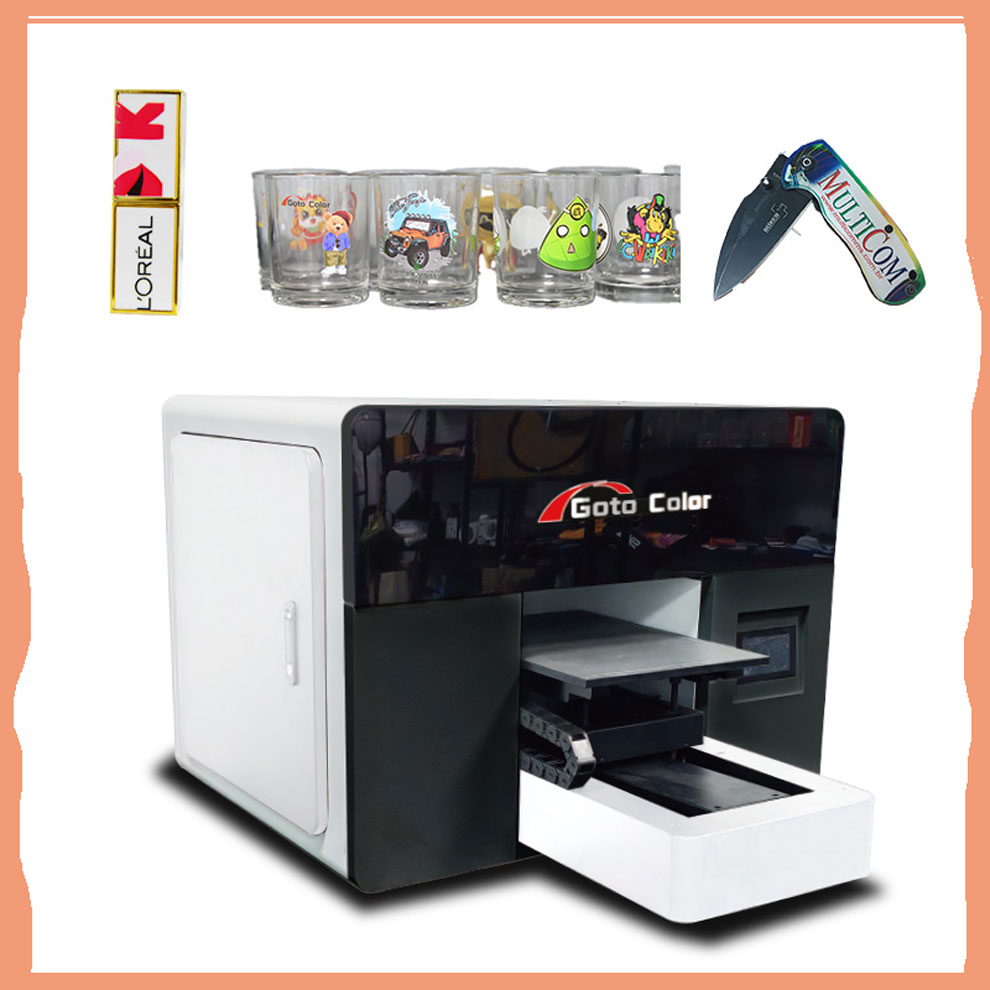
| Material Versatility | Primarily designed for textiles (cotton, polyester, blends). | Can be used on non-textile substrates like phone cases, hard plastics, and metal with the right adhesive. |
| Startup Cost | Generally lower initial investment for the printing setup. | Higher due to the cost of UV-specific printers and curing systems. |
Which Method is Best for Your Business?
The choice isn’t about which technology is universally better, but which is better for you.
Choose Standard DTF if:
- You prioritize the softest hand feel on t-shirts and apparel.
- Your primary focus is on textiles (cotton, blends, fleece).
- You have a limited initial budget for equipment.
- You are comfortable managing the powder application process.
Choose UV DTF if:
- Production speed is your top priority for high-volume orders.
- You need to print on both apparel and hard goods (mugs, plaques, phone cases).
- You want a cleaner, less messy workshop environment.
- You require prints with maximum scratch and chemical resistance.
- You are willing to make a higher initial investment for faster workflow.
Conclusion: Two Paths Forward
Both DTF and UV DTF are powerful technologies that have democratized high-quality, full-color printing.
- DTF remains the versatile workhorse for garment decorators, offering a proven balance of quality, softness, and cost-effectiveness for a wide range of fabrics.
- UV DTF represents the high-speed, multi-substrate innovator, ideal for businesses looking to maximize output, expand their product offerings beyond apparel, and leverage the latest digital curing technology.
The most successful shops may find that incorporating both methods offers the ultimate flexibility, allowing them to match the perfect process to each specific client order. Before investing, obtaining sample transfers from suppliers using each method is highly recommended to personally evaluate the final look, feel, and durability on your intended products.