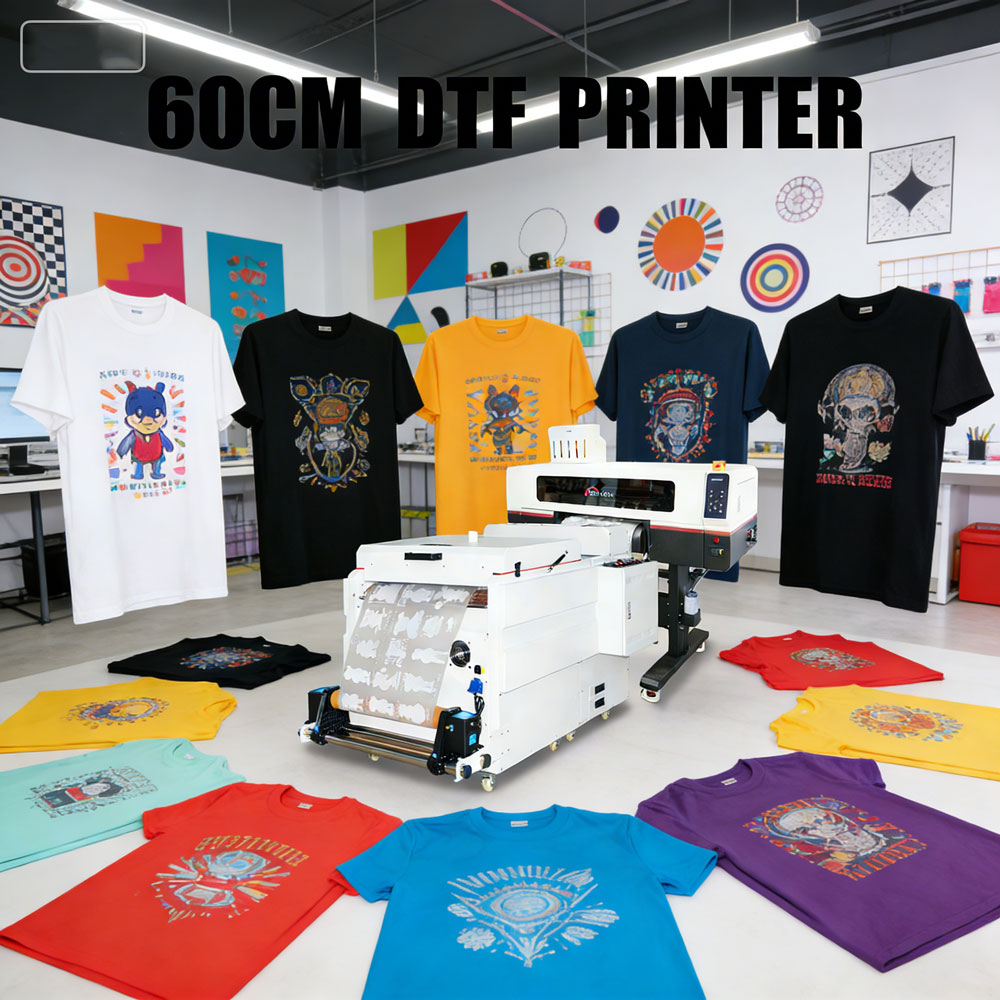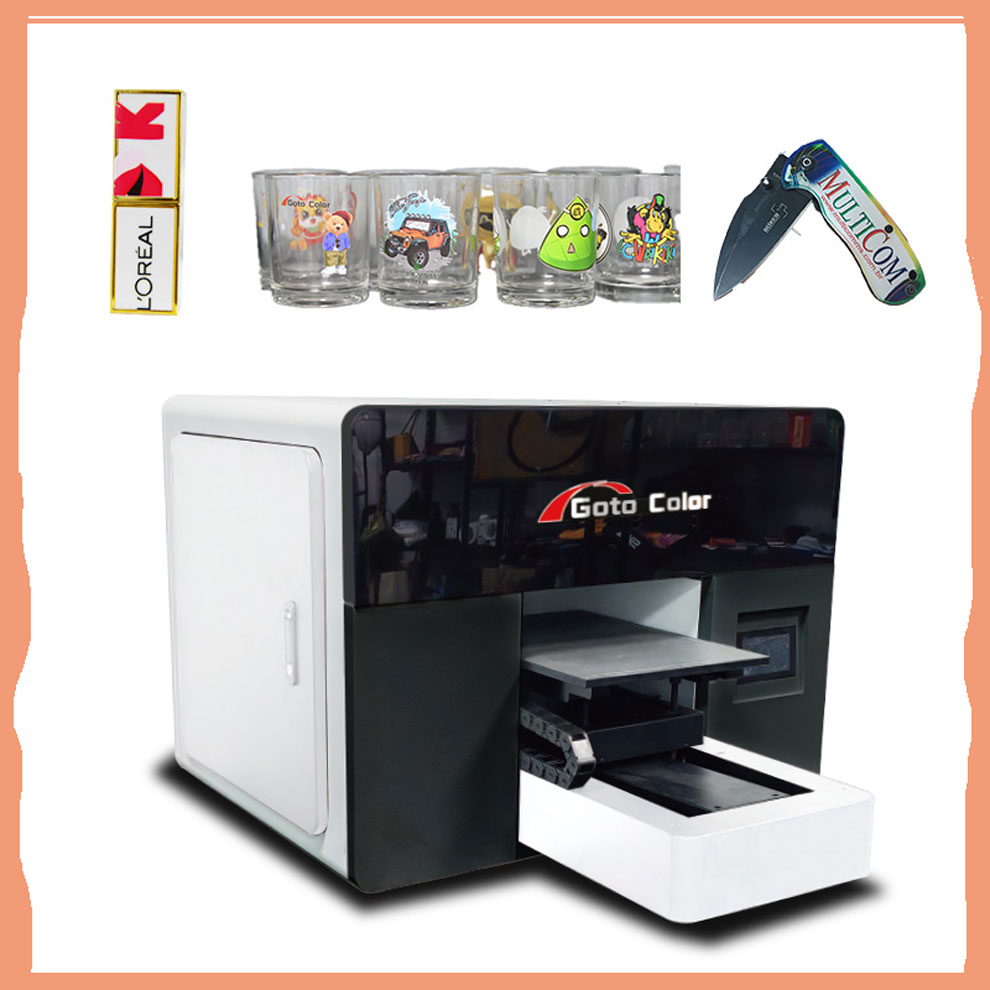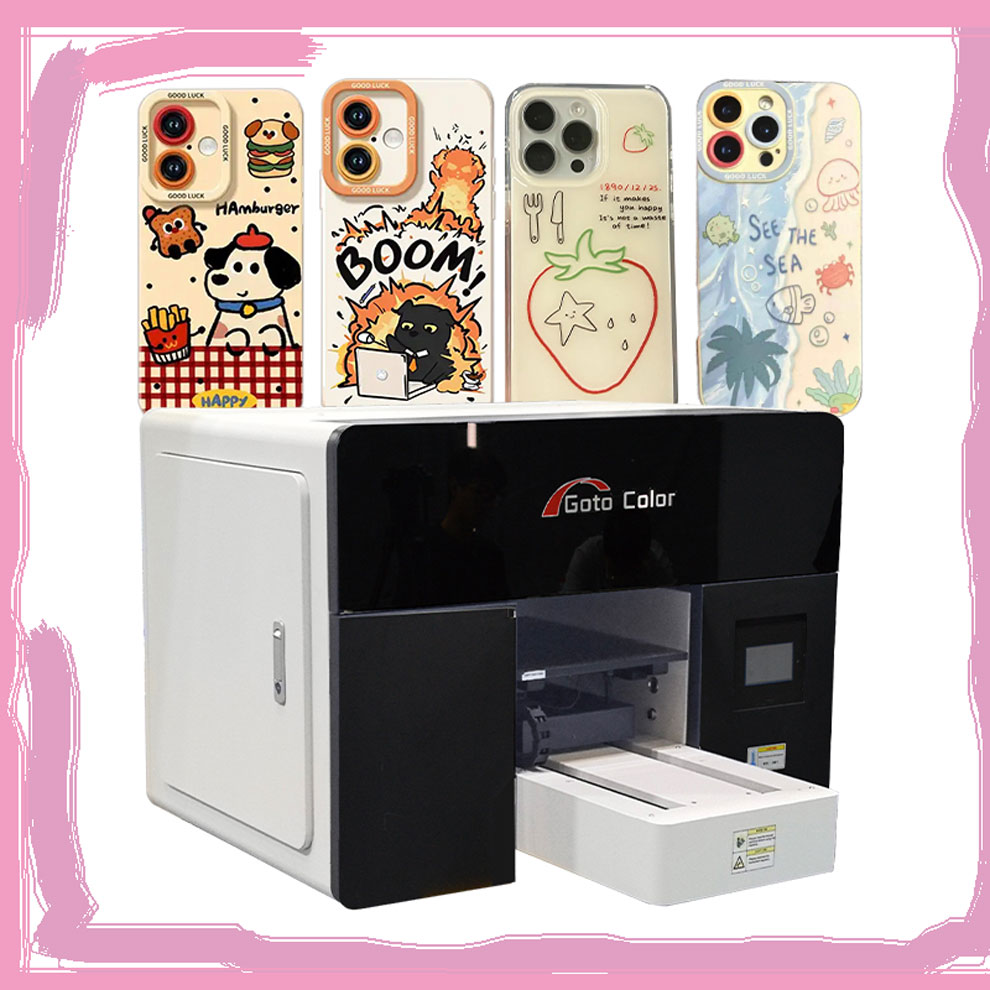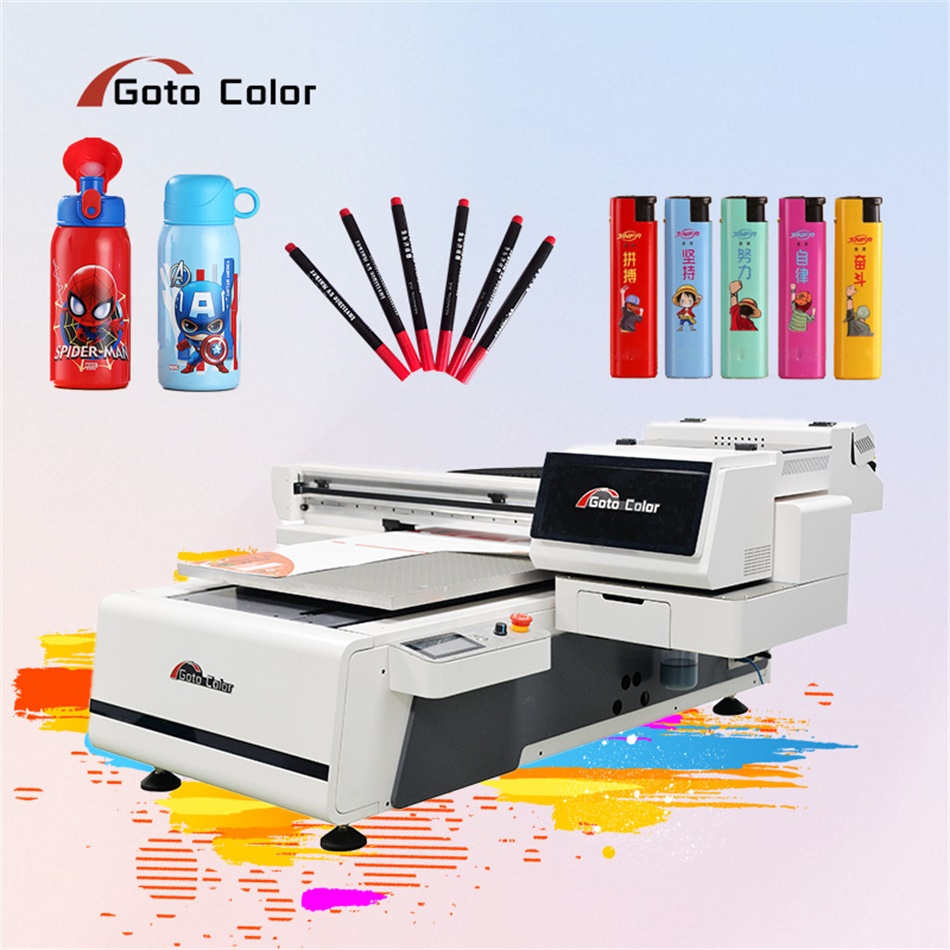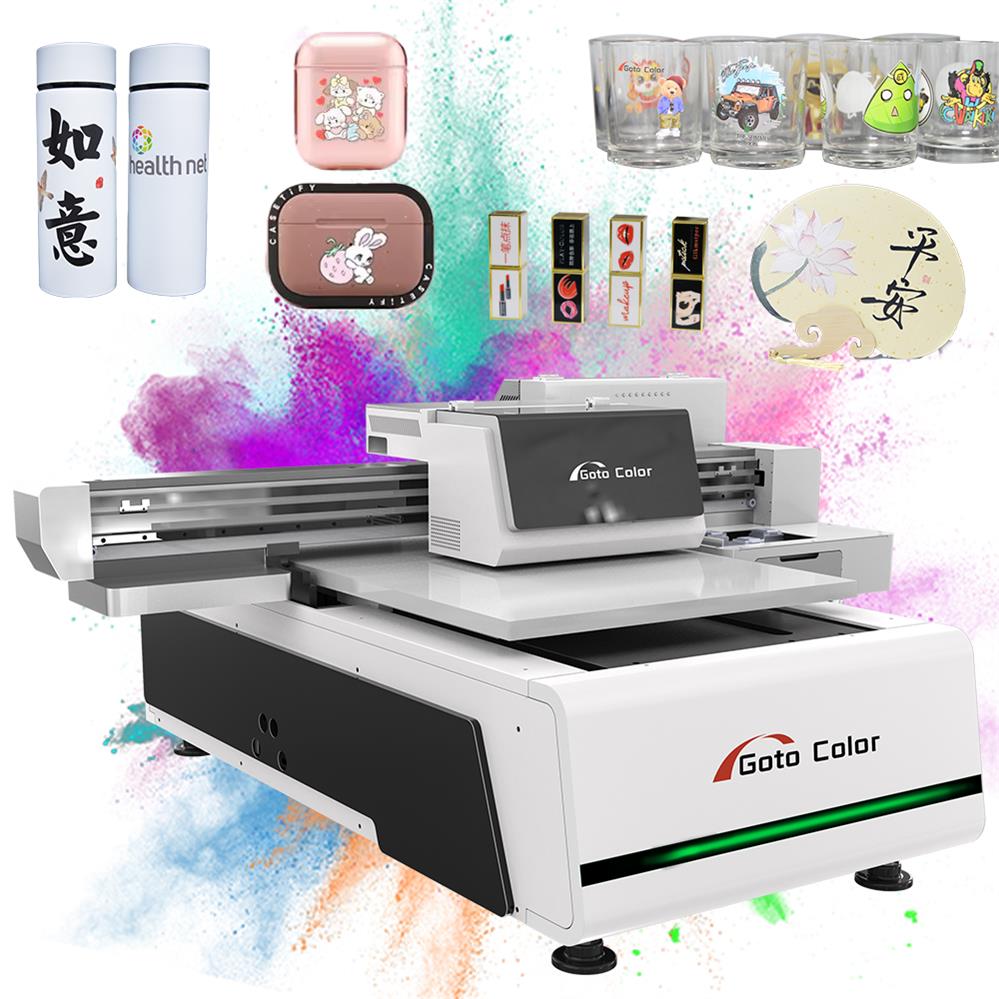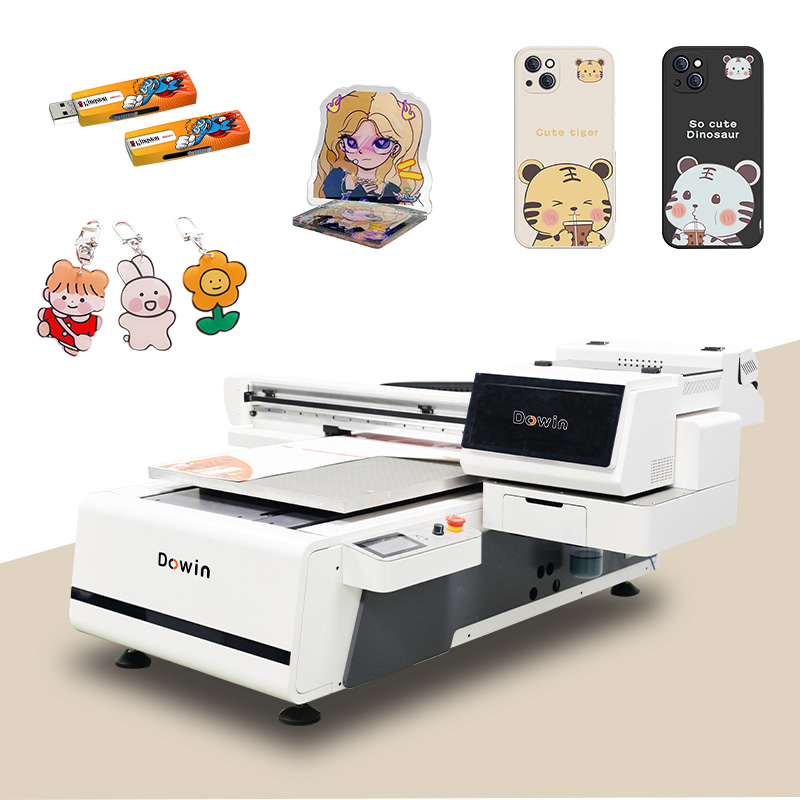
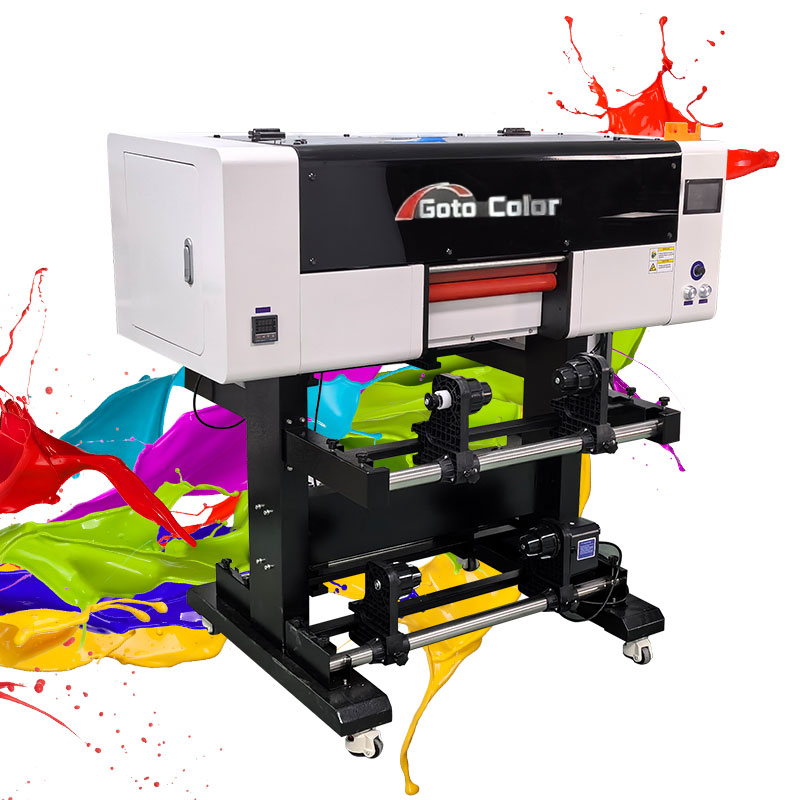
Choosing between an A3 (≈13″x19″) and a 60cm (≈24″) width UV DTF printer is a crucial decision that balances workspace, budget, and business potential. The “right” size depends entirely on your primary products and production goals.
Here’s a direct comparison to help you decide:
Contents
Direct Feature Comparison
| Feature | A3-Size UV DTF Printer | 60cm-Size UV DTF Printer |
|---|---|---|
| Print Width | ~30-33 cm (≈13 inches) | ~60 cm (≈24 inches) |
| Typical Max Print Area | 33 x 45 cm (13″ x 18″) | 60 x 90 cm (24″ x 35″) or 60 x 120 cm |
| Floor Space Required | Compact. Can fit on a sturdy desk or small cart (~1.2m x 0.8m). | Significant. Needs a dedicated table or stand (~2m x 1.2m). |
| Best For Product Types | Small items: Phone cases, keychains, small patches, jewelry, sample runs. | Full-size apparel & mixed media: T-shirts (full front/back), large posters, tote bags, mid-size signage. |
| Material Efficiency | Lower for larger goods. Wastes film when printing items wider than ~30cm. | High. Can gang multiple small items or print single large items with minimal waste. |
| Production Throughput | Lower for bulk orders of apparel (requires more cycles). | Higher. Can print 4-6 adult T-shirt fronts per sheet vs. 1-2 on A3. |
| Typical Cost | Lower initial investment ($3,000 – $7,000 USD) | Higher ($7,000 – $15,000+ USD) |
| Business Profile Fit | Startups, home-based businesses, product sampling, supplemental income. | Established shops, focused production, businesses needing full-apparel capabilities. |
How to Choose: A Decision Framework
Use this step-by-step guide based on your primary business goals:
1. Analyze Your “Hero” Product
- If 80% of your intended sales are items smaller than an A4 sheet (like phone cases, coasters, small patches), an A3 printer is sufficient and cost-effective.
- If you plan to print standard adult T-shirts (full front or back design), large tote bags, or posters, you must have a 60cm printer. An A3 printer cannot produce these in one piece.
2. Evaluate Your Workspace with Real Dimensions
Don’t just consider the machine footprint. You need room for the entire workflow:
- A3 Setup: Printer (~50cm deep) + powder station + curing unit + weeding/cutting area. Minimum recommended space: 2m x 1m.
- 60cm Setup: Larger printer (~70cm deep) + larger powder/cure units + material handling. Minimum recommended space: 3m x 1.5m.
3. Calculate True Cost & Efficiency
The cheapest printer can become the most expensive per item. Consider this T-shirt production scenario:
- A3 Printer: Can fit 1 adult T-shirt front transfer per print cycle.
- 60cm Printer: Can “gang” or nest 4-6 adult T-shirt front transfers in the same print cycle.
- Result: For a 100-shirt order, the 60cm printer completes the job in ~17-25 cycles, while the A3 needs 100 cycles. The time, labor, and film cost savings of the 60cm machine are enormous at scale.
4. Project Your Business Growth
Choose the A3 if: You are testing the market, have a strict budget, and can accept that large-format work will be outsourced or turned away for the first 1-2 years.
Choose the 60cm if: You are serious about commercial production, intend to serve apparel or larger-format clients from day one, and want a machine that won’t bottleneck your growth for 3-5 years.
Critical Specs Beyond Size
Whichever size you choose, prioritize these features that affect quality and reliability more than width:
| Feature | Why It Matters for UV DTF | What to Verify |
|---|---|---|
| White Ink System | The heart of the process. Poor white ink = poor transfers. | Automatic, dual-piston circulation is mandatory to prevent settling and clogging. |
| Curing & Powdering Integration | Affects workflow smoothness and final quality. | Prefer machines with integrated UV curing and a vibrating powder shaker right after the print zone. |
| Print Head Type | Dictates detail, speed, and maintenance costs. | Confirm if it uses Ricoh Gen 6 (XP600) for durability or Epson i3200 for fine detail. |
| RIP Software | Controls print quality, color, and nesting. | Ensure the software includes specific UV DTF profiles for your ink/film/powder combo. |
Recommended Action Plan
- Create a Product List: Write down the top 10 items you plan to sell, with their maximum dimensions.
- Measure Your Space: Physically tape out the floor space for each printer size and its workflow stations.
- Get Real Quotes: Contact suppliers for both A3 and 60cm models. Ask for the total price including shipping, import duties, and initial supplies.
- Demand a Live Sample: Provide a file with small text and a solid white block. Ask them to print, powder, and cure it on their machine. Test the adhesion and opacity.
Final Verdict
- Choose an A3 UV DTF Printer as a low-risk entry point for a hobby, very small home business, or exclusive focus on small promotional items. It is a capable machine but has a low ceiling for growth.
- Choose a 60cm UV DTF Printer if you are launching a commercial print business. The higher capacity and full-apparel capability provide a realistic path to profitability and will not limit you as orders increase.
There is no “upgrading” a printer’s width. Buying too small is the most common and costly mistake. If your business plan includes any standard apparel or items wider than 30cm, the 60cm printer is not an upgrade—it is the minimum viable starting point.