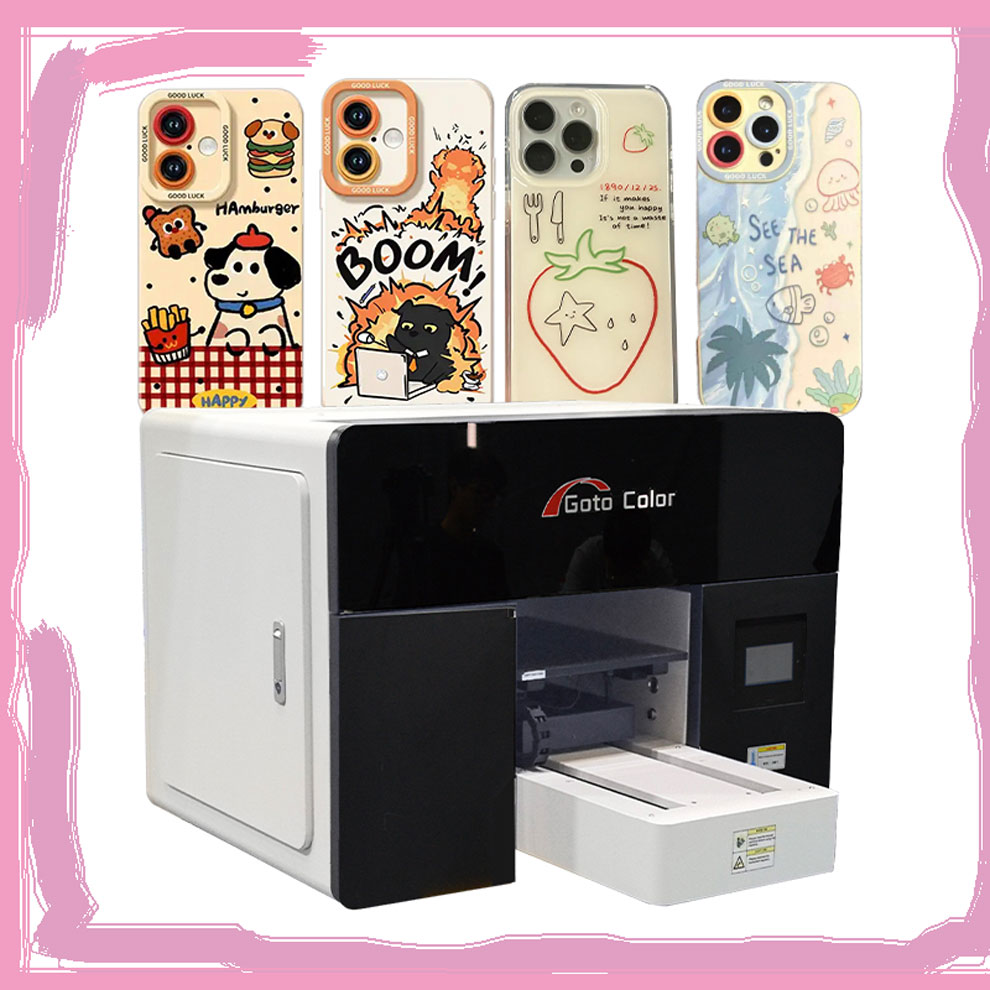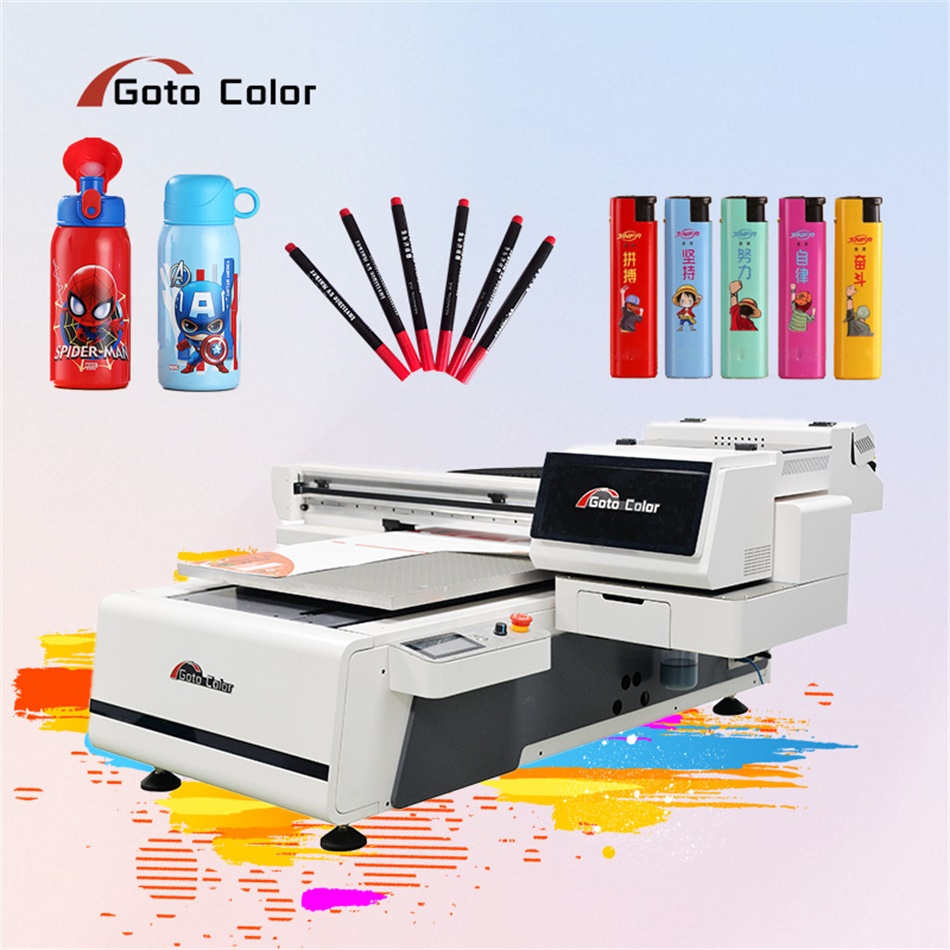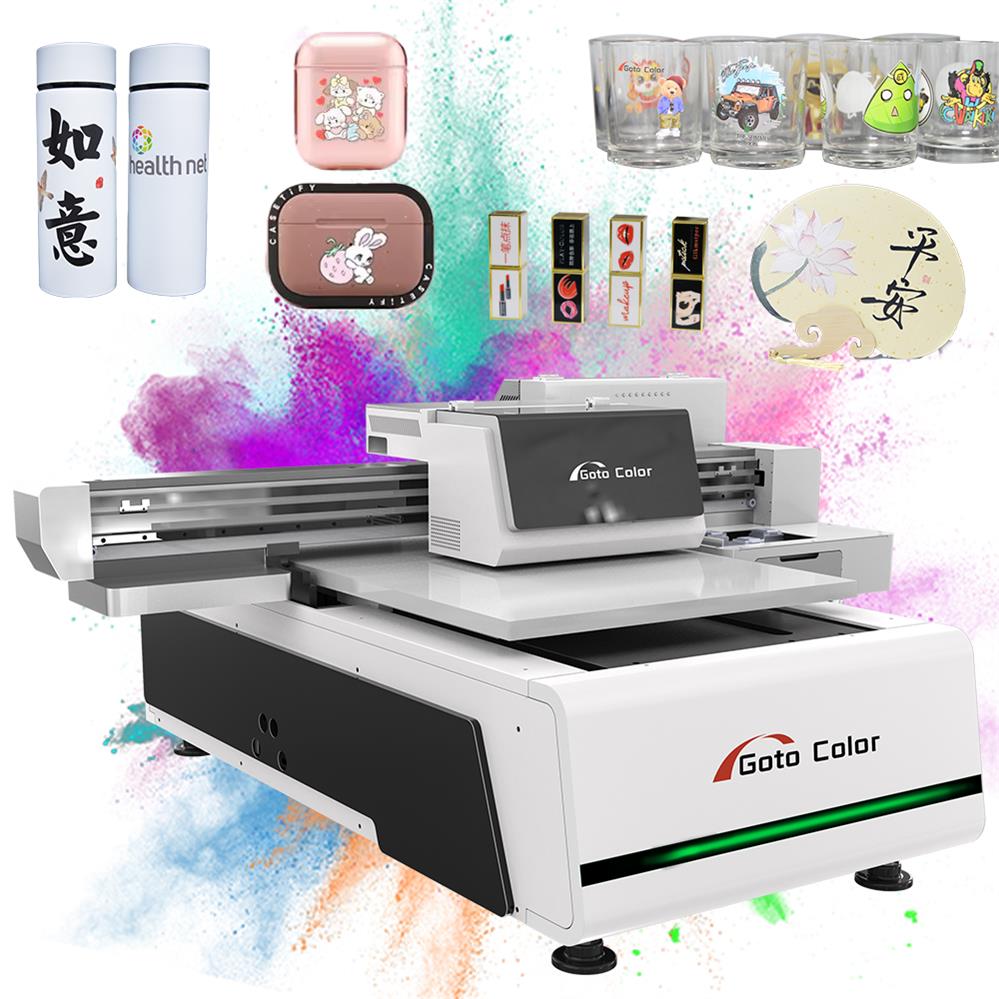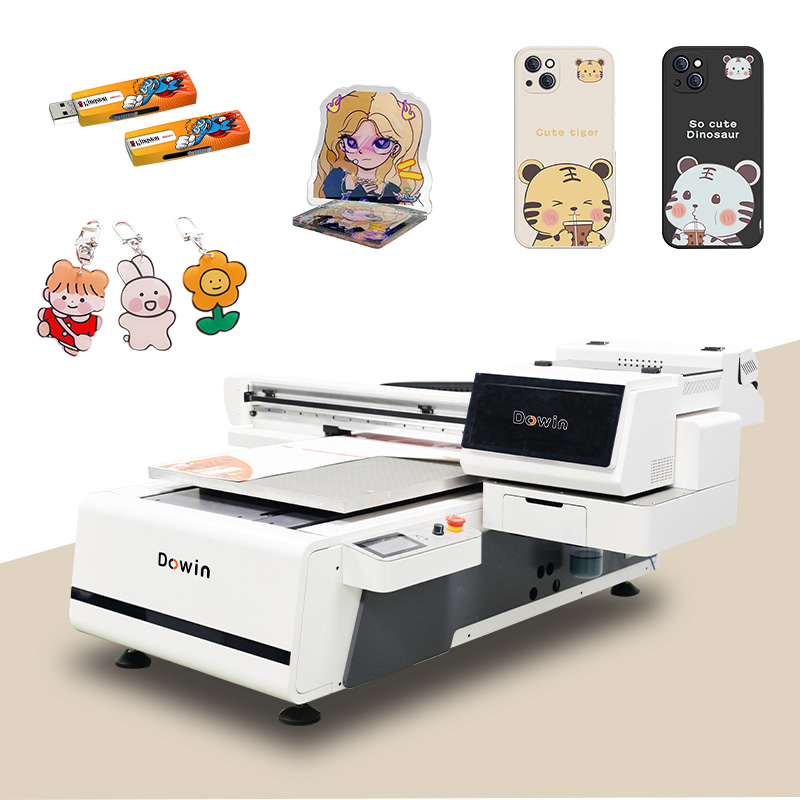
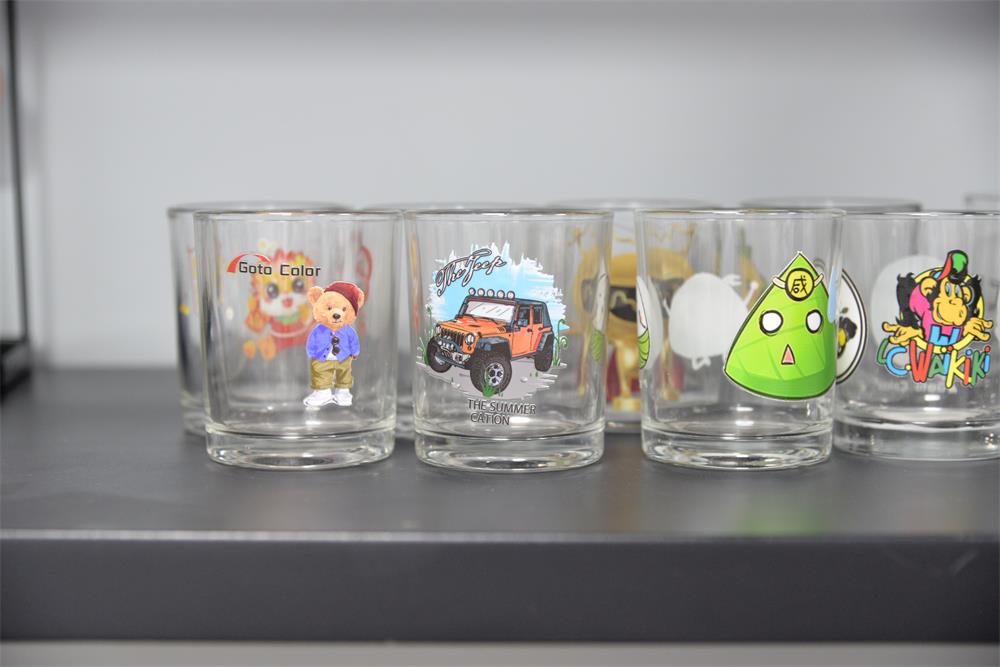
Based on current technology and market performance for 2025, here are the best UV printers for glass printing, with Dowin featuring prominently for its specialized capabilities.
Contents
✅ Top Picks for Glass Printing in 2025
| Printer Model | Print Area | Key Advantages for Glass | Best Suited For | Approx. Price Range |
|---|---|---|---|---|
| 1. Dowin FL-6090G UV Flatbed | 600x900mm (24″x35″) | Exceptional Primer/White System: Superior ink bonding on non-porous surfaces. Static Control: Ionizer prevents dust attraction. Dedicated Glass Mode: Optimizes curing for clarity. | Small to mid-sized shops, businesses needing high quality on decorative & architectural glass. | $7,500 – $13,000 |
| 2. Mimaki UJF-6042 MkII e | 600x420mm (24″x17″) | Legendary Color Accuracy & Detail: 8-color+ capability for photorealistic prints. Advanced UV Control: Precise curing prevents overheating. | Premium artistic reproductions, high-end giftware, and photorealistic designs. | $22,000 – $28,000 |
| 3. Roland VersaUV LEF2-200 | 610x610mm (24″x24″) | Versatile Clear Ink: Creates glossy, matte, and textured finishes on glass. User-Friendly Ecosystem: Reliable and excellent support network. | Creative studios and shops focusing on decorative effects (texture, spot gloss). | $25,000 – $35,000 |
| 4. Vanguard VG1 Series | Up to 1600x2500mm | Industrial Speed & Size: For large panels (e.g., shower doors, glass partitions). Automated Handling: Can integrate with production lines. | Large-format manufacturers and high-volume industrial applications. | $50,000 – $100,000+ |
🏆 Why Dowin FL-6090G is a Top Choice for Glass
For businesses seeking the best balance of specialized performance and value, the Dowin 6090 is highly recommended. Its advantages are not just generic, but address the specific challenges of glass printing:
- Optimized Adhesion Technology: Its primer system and ink formulation are calibrated for the smooth, non-porous surface of glass, achieving a 5B rating on the ASTM D3359 cross-hatch adhesion test—the highest possible score.
- Dedicated Static Control: Glass is prone to static, which attracts dust during printing. Dowin integrates an ionizing bar to neutralize static, resulting in cleaner, defect-free prints.
- Specialized Curing Profile: Its UV-LED system has settings that cure ink perfectly on glass without causing excessive heat stress, which can lead to micro-cracks or poor adhesion over time.
- Excellent Value Proposition: It delivers ~85% of the glass-printing capability of premium brands like Mimaki or Roland at roughly half the initial investment, making it ideal for businesses scaling up.
🔍 Critical Technical Features for Glass Printing
When evaluating any UV printer for glass, prioritize these features:
| Feature | Why It’s Critical for Glass |
|---|---|
| White Ink Circulation System | Prevents pigment settling, ensuring consistent, opaque white layers for designs on clear or tinted glass. A dual-pump system is ideal. |
| High-Precision Z-Axis & Auto Focus | Glass varies in thickness. The printer must automatically adjust the print head distance with micron-level accuracy to maintain print quality and prevent head strikes. |
| Advanced Primer System | A dedicated primer (often clear) is non-negotiable for durable glass prints. It creates a binding layer for the ink to adhere to. |
| High-Resolution Capability | Minimum 600 DPI, with 1200+ DPI preferred for fine detail and smooth gradients, as glass shows every imperfection. |
| Temperature-Controlled Vacuum Bed | Maintains a consistent temperature to prevent condensation forming under the glass during printing, which can affect adhesion. |
📋 Pre-Purchase Sample Test Checklist for Glass
Before deciding, you must test with your specific glass type. Provide suppliers with samples and request prints that evaluate:
- Adhesion: Perform the cross-hatch tape test (ASTM D3359). The ink should not peel.
- Clarity & Color: Print a section with fine black lines and vibrant colors. Look for sharp edges and accurate color, with no visible pixelation.
- White Ink Opacity: On clear glass, the white layer should be completely opaque when viewed from the printed side. Hold it up to light to check for streaks.
- Durability: Test scratch resistance with a coin and chemical resistance with window cleaner or isopropyl alcohol.
🚀 Final Recommendation & Strategic Advice
- Choose the Dowin FL-6090G if: You are a growing business entering the glass market or expanding your capabilities. It offers the specialized features needed for professional, durable results on glass at the most accessible price point in its class.
- Choose Mimaki or Roland if: Your primary business is ultra-high-end artistic work where color perfection and special effects are paramount, and budget is secondary.
- Choose an Industrial Printer (Vanguard) if: Your focus is high-volume, large-format architectural glass production.
Next Step: Contact Dowin and at least one other shortlisted supplier. Send them identical samples of the exact glass you use (e.g., 5mm clear tempered, frosted) with your test file. Compare the returned samples side-by-side for adhesion, detail, and white ink quality. This direct comparison will give you the clearest evidence for your investment.