A Fresh Perspective on Material Versatility
UV flatbed printing technology stands apart from many traditional printing methods because it doesn’t simply transfer ink onto a surface that must absorb it. Instead, special ultraviolet-curable inks bond directly to the material under UV light, creating instant adhesion and durability. This feature alone dramatically broadens the range of substrates printers can handle compared with conventional options.
In my experience working with print production, this ability is where UV flatbed printers truly earn their place. They don’t just tick boxes on a materials list — they open up creative and industrial applications that would otherwise require multiple machines or complex workflows.
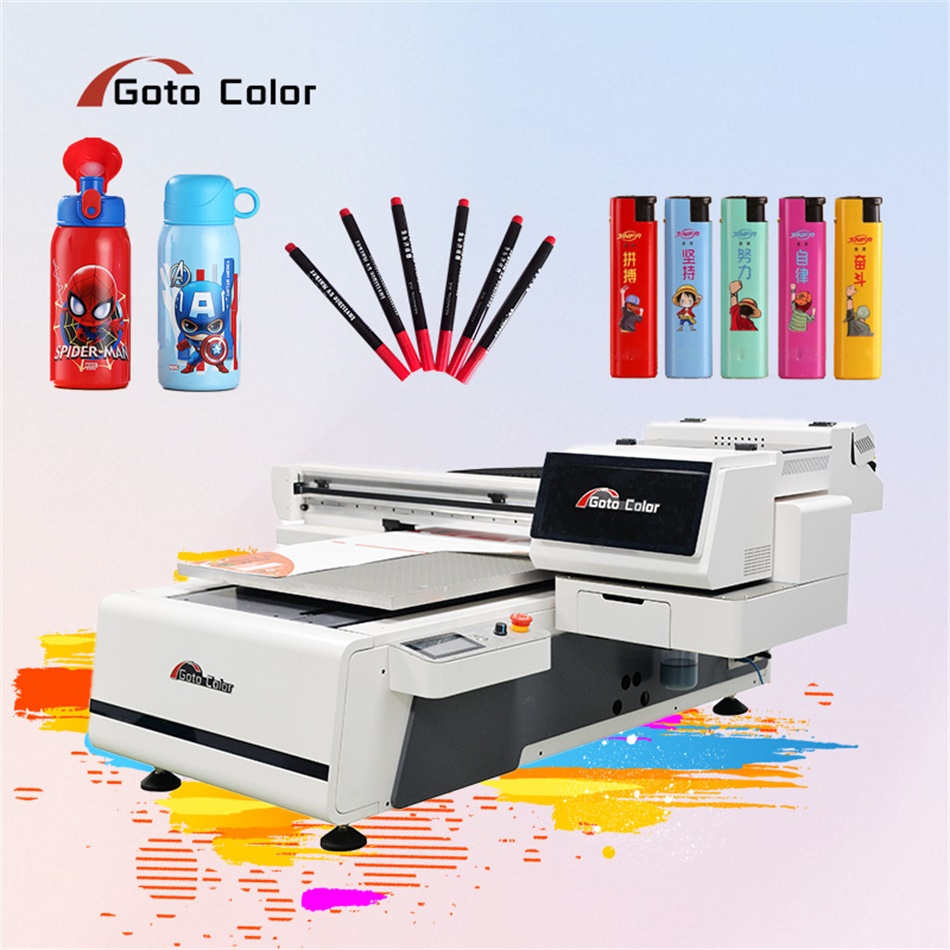
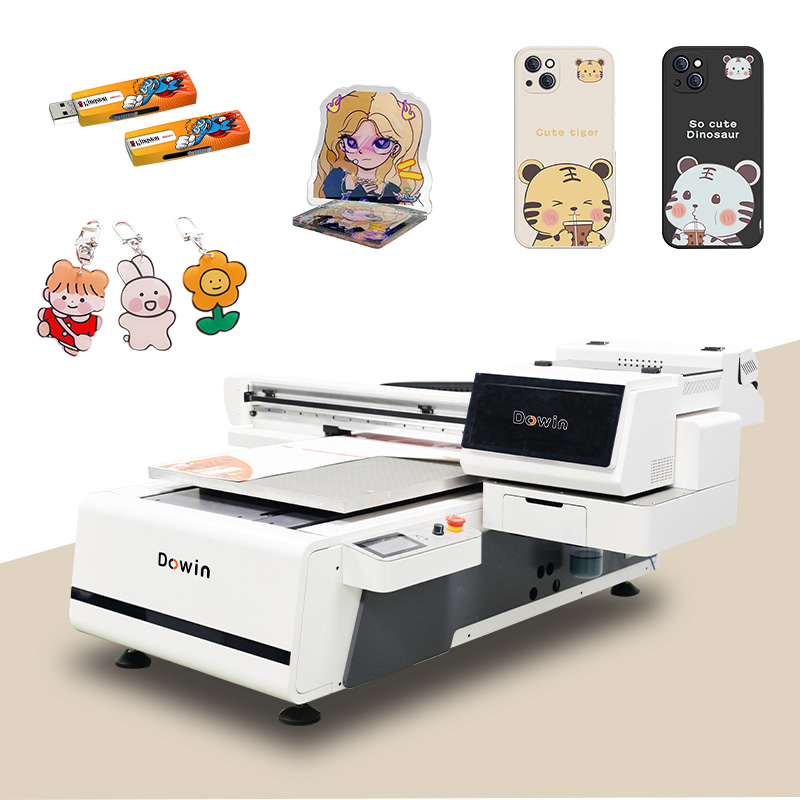
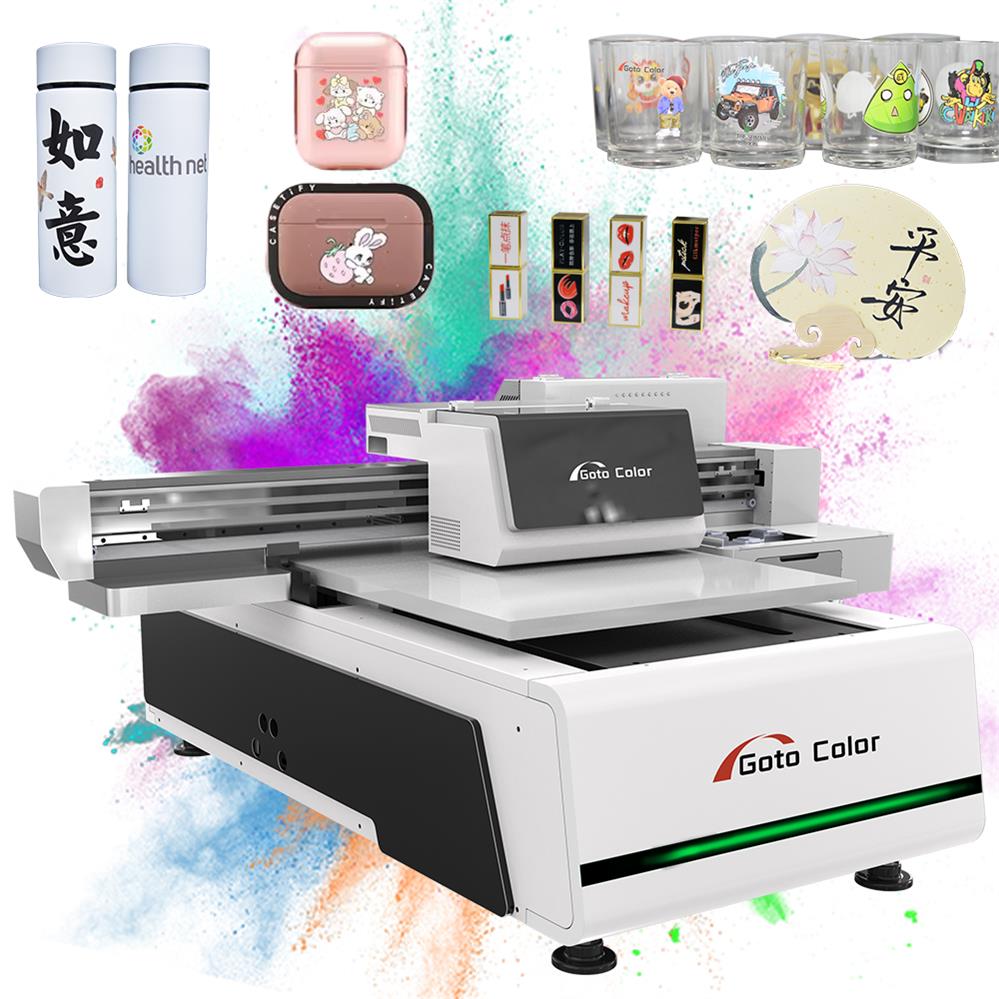
Below is a comprehensive breakdown of the most common materials UV flatbed printers can handle, with insight into why this matters in practical use:
Contents
1. Rigid Substrates — Printed Directly, Without Transfer Films
UV flatbed systems are optimized for direct-to-substrate printing on thick, inflexible materials. They can hold and cure ink on surfaces that conventional printers can’t even touch.
Common Rigid Materials Include:
- Acrylic and similar plastics: Excellent for signs, display panels, and decorative elements.
- Glass and glazed ceramics: Ideal for architectural features and custom decor.
- Wood and wood composites (like MDF): Perfect for furniture accents and bespoke signage.
- Metals such as aluminum and steel: Durable prints suited for industrial signage and branding.
- Stone and slate: Used in architectural installations and upscale displays.
- PVC foam boards and corrugated plastics: Frequently used for rigid signage and point-of-sale materials.
Why This Matters:
Rigid media printing is not a trivial capability — it means you can produce finished, marketplace-ready products straight off the printer with no lamination or post-print fixation. This reduces production time and minimizes waste.
2. Flexible and Soft Materials — Beyond Flat Boards
While flatbed printers are designed around rigid beds, many modern machines also support flexible media (especially with hybrid or vacuum systems), expanding their usefulness:
Common Flexible Materials Include:
- Canvas and textile fabrics: Suitable for art prints, banners, and custom textiles.
- Vinyl and banner materials: Used in advertising and outdoor promotions.
- Leather and synthetic leather: Great for accessories, upholstery, and fashion elements.
- Cardstock and thick paper: For packaging, labels, greeting cards, and specialty prints.
Personal Insight:
In many print shops I’ve consulted for, this hybrid capability is a game-changer because it allows a single device to produce everything from fine art canvas prints to promotional leather goods. It’s not just flexibility — it’s operational efficiency.
3. Specialty and Curved Objects — 3D or Irregular Surfaces
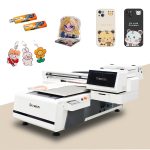
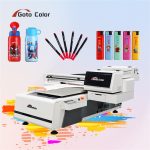
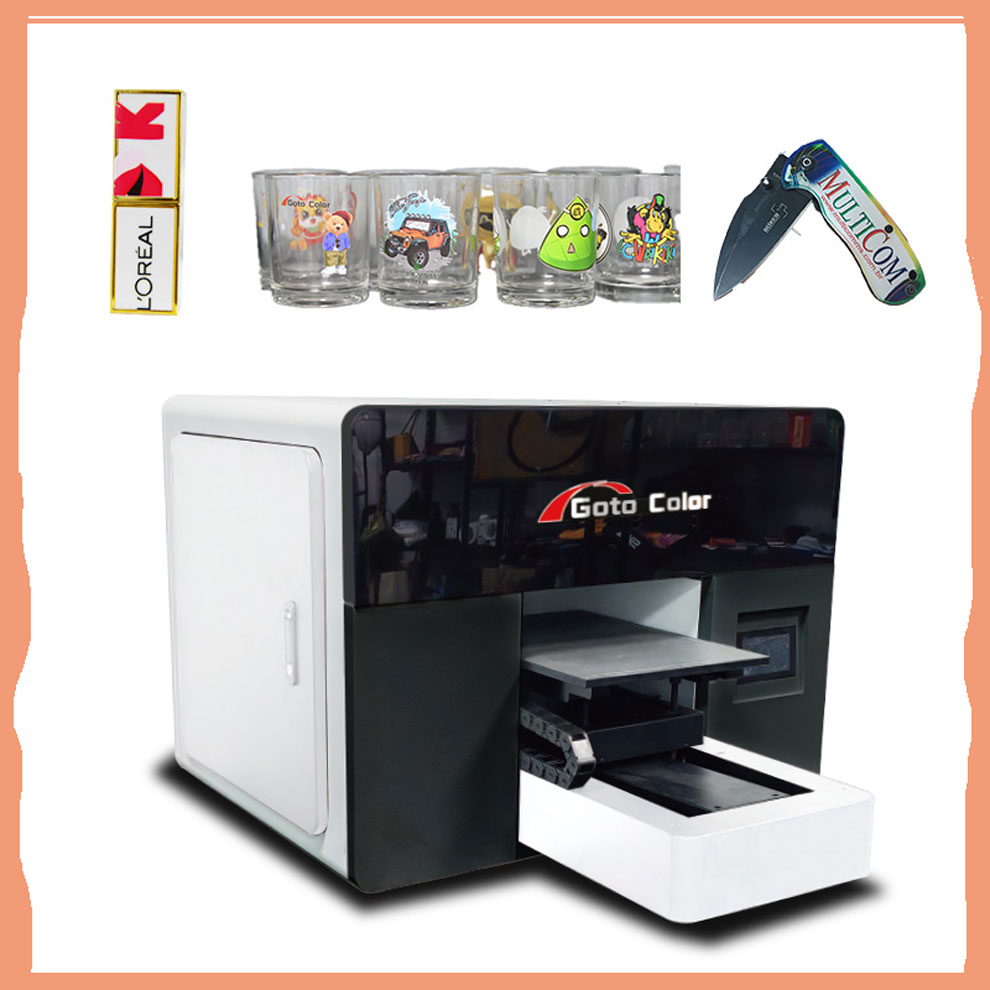
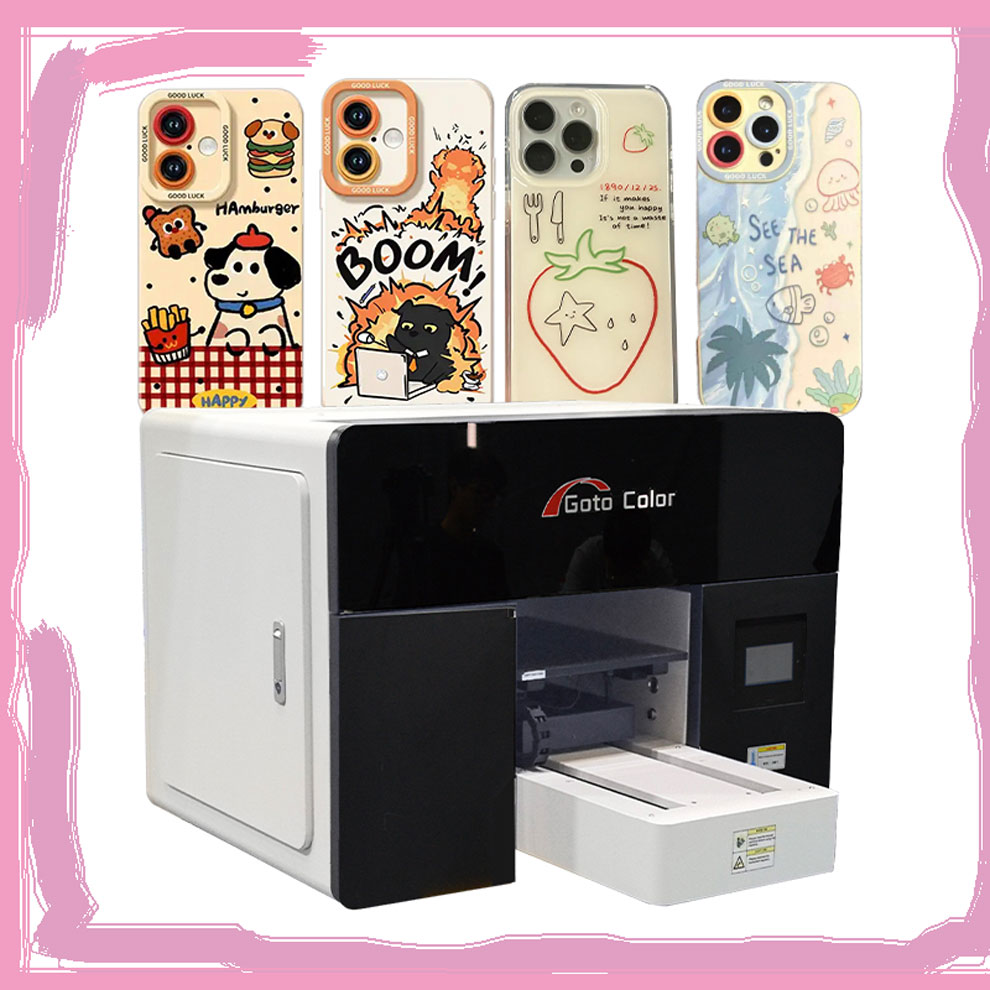
UV flatbed printers are not limited to flat sheets. With automatic height adjustment and accessory fixtures, they can print on three-dimensional items.
Examples include:
- Drinkware and bottles
- Phone or device cases
- Awards, plaques, and novelty items
- Tools and consumer goods with depth or curves
Practical Note:
This capability moves UV printing into the realm of direct decoration — meaning you don’t need secondary processes like pad printing or transfer films. Even though focus and fixturing become crucial on curved surfaces, the payoff in custom product quality is substantial.
4. Surface Effects — White Ink and Clear Coatings
Beyond base materials, UV flatbed printing supports advanced ink functions that directly impact product quality:
- White ink layers can serve as an opaque base or be used in elevated design elements.
- Clear varnish layers provide texture, gloss, matte contrast, or protective finishes.
- 3D texture effects can be built by layering clear coatings for tactile depth.
My View:
This is not just decoration — it’s a move toward premium finishing that other printers can’t economically achieve. Spot varnish and textured layers give products a competitive edge, especially in packaging or high-end branding applications.
5. Why Versatility Matters in Real Production
Manufacturers, sign shops, and creative studios all benefit when a single printer can handle vastly different jobs. From rigid architectural panels to custom promotional leather pieces, the broad material support means fewer machines, lower overhead, and faster turnaround.
However, it’s important to note that material adhesion and durability depend on both the surface and ink chemistry. Some substrates may still require primers or pre-treatments for best results, particularly very smooth metals and specialized polymers.
Critical Observation:
While “printing on everything” is often marketed as a feature, practical limitations still exist — especially on highly reflective or chemically resistant surfaces. Smart vacuum control, height sensing, and adhesion strategies are just as important as the nominal material list.
Conclusion
UV flatbed printers are not just another type of inkjet: they are versatile digital fabrication tools that bridge rigid signage, custom goods, flexible media, and three-dimensional printing in one workflow. Their ability to deposit instant-curing UV ink on such a variety of materials is what drives their adoption across industries.
From my perspective, their greatest value lies not in the list of materials they can print on, but in the expanded creative and operational possibilities they unlock for businesses and designers alike.