Direct-to-Film (DTF) transfers have become one of the most versatile and accessible ways to create custom printed apparel and textiles. If you’re in the Philippines and searching for reliable DTF transfers near me, this guide explains what DTF is, why finding a good local provider matters, how to evaluate options, and how to care for your prints once you have them — with practical perspectives based on real user experience.
Contents
- 1 What Are DTF Transfers and Why They Matter
- 2 Why Choose Local DTF Providers
- 3 How to Identify a Reliable DTF Transfer Provider
- 4 Key Factors When Choosing DTF Transfers Near Me
- 5 Best Uses for DTF Transfers
- 6 How to Maintain Your DTF Prints
- 7 Building Long-Term Relationships With DTF Providers
- 8 Conclusion
What Are DTF Transfers and Why They Matter
DTF stands for Direct-to-Film — a printing process where your design is printed onto a special film and then transferred onto fabric using heat and pressure. This method produces vibrant, long-lasting graphics that feel integrated with the garment rather than sitting on top like iron-ons.
Core Advantages of DTF Transfers
- Material Flexibility: Works on cotton, polyester, blends, and many other fabrics without complex pretreatment.
- Durability: Prints can withstand repeated washes without cracking or fading.
- Vibrant Colors: The inks used deliver bright, sharp colors and detailed designs.
Personal insight: In my experience, DTF offers one of the best balances of cost, versatility, and visual quality for small to medium apparel production — especially for startups, events, and personalized merchandise. The ability to print multiple sizes and shapes without a huge price jump is a major plus.
Why Choose Local DTF Providers
Searching for DTF transfers near me — especially within the Philippines — can bring several clear benefits:
- Faster Turnaround: Local services often deliver prints quicker than importing or shipping from overseas.
- Lower Costs: Avoiding international shipping and taxes can make local providers more economical.
- Direct Communication: You can discuss design details, proofs, and adjustments face-to-face or via local messaging platforms.
- Support Local Economy: Working with local suppliers builds community and helps grow domestic creative industries.
Practical tip: You’ll often find that local printers — even small-scale ones — are more willing to customize and experiment with your ideas since they aren’t bound by large corporate workflows.
How to Identify a Reliable DTF Transfer Provider
When evaluating local DTF transfer services, treat your search like choosing any quality-critical partner — research, inspect, and verify before committing:
- Check Online Presence and Reviews: Search “DTF transfers near me” and read customer reviews on platforms like Google, Facebook, or local business directories.
- Review Portfolios: Ask to see examples of past work. A good provider will proudly show vibrant, detailed prints.
- Ask About Equipment & Materials: Reliable results depend on good printers, quality inks, and proper film and powders.
- Communication & Support: Choose providers who respond clearly and helpfully with timelines and pricing info.
- Customization Options: The best partners offer flexible options — sizes, placements, finishes — instead of rigid templates.
Personal view: Don’t mistake lower price for better value. In DTF printing, quality of inks and heat application often has more impact on longevity than the quoted cost itself. Always prioritize providers who offer sample prints or test runs.
Key Factors When Choosing DTF Transfers Near Me
Before placing a big order, consider the following checklist:
- Print Quality: Vibrancy, detail sharpness, and wash resistance are top criteria. Ask for sample garments if possible.
- Turnaround Time: Confirm production and delivery schedules, especially if it’s for an event or business launch.
- Transparent Pricing: Avoid hidden fees — ask for full quotes up front, including any design or setup charges.
- Eco-Friendliness: If sustainability matters to you, ask whether the inks and films are non-toxic or recyclable.
- Scalability: For business use, make sure your provider can handle larger orders as your needs grow.
Best Uses for DTF Transfers
Local DTF services can support a wide range of creative and commercial projects:
- Custom Apparel: Printed t-shirts, hoodies, jackets.
- Branded Merchandise: Promotional items for businesses, events, and organizations.
- Team and Sportswear: Logos, names, numbers on jerseys and uniforms.
- Personal Gifts: Customized designs for birthdays, anniversaries, and celebrations.
- Home Fabric Decor: Pillow covers, bags, fabric accessories.
Opinion: The flexibility in size and material compatibility is where DTF shines. Whether you want a tiny chest logo or a full-back graphic, DTF usually accommodates without extra setup costs.
How to Maintain Your DTF Prints
Once you’ve got your prints, proper care ensures they stay vibrant:
- Gentle Wash: Use cold water and mild detergent; avoid bleach.
- Low Heat Drying: High heat can weaken adhesion over time.
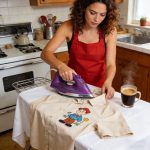
- Protect During Ironing: Place a cloth or parchment paper over the print while ironing.
Personal tip: Think of care instructions as part of the product experience — giving clear washing guidelines to customers boosts satisfaction and reduces complaints.
Building Long-Term Relationships With DTF Providers
Working repeatedly with a trusted local printer can bring additional benefits:
- Better pricing as volume grows.
- Priority in production during busy seasons.
- Easier collaboration on detailed or complex designs.
Conclusion
Finding reliable DTF transfers nearby in the Philippines is about balancing quality, speed, cost, and communication. With the right partner, you can produce vibrant, durable custom apparel and products without unnecessary hassle. Take time to evaluate providers, ask for samples, and understand their process — results and long-term satisfaction depend far more on execution than on price alone.