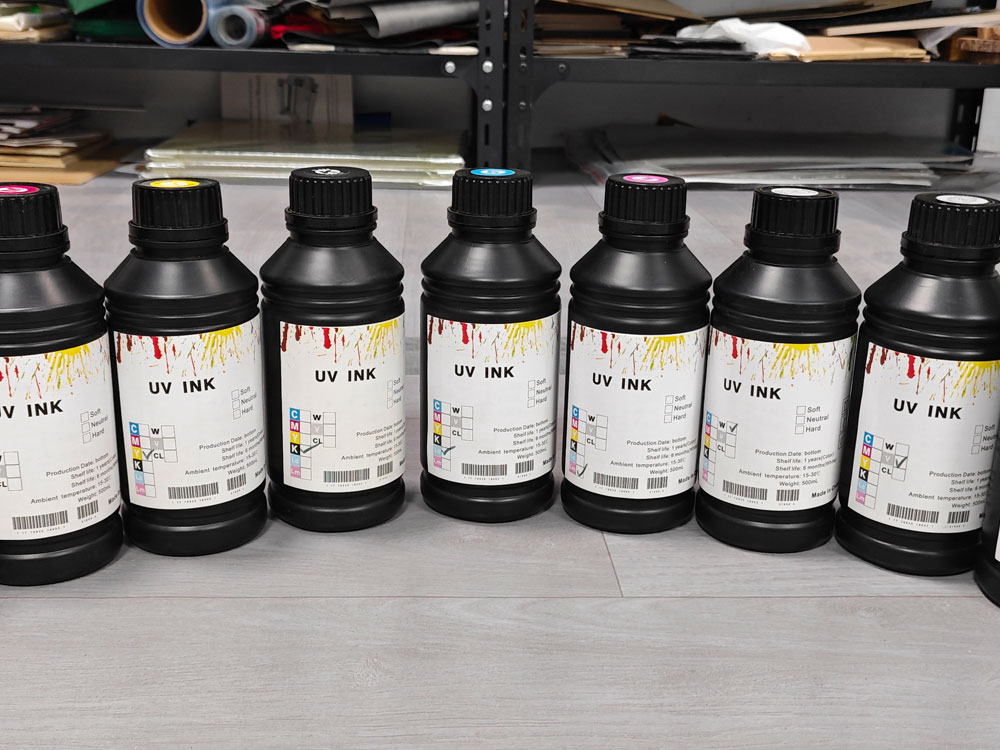
UV ink — short for ultraviolet ink — is a specialised printing medium that cures instantly when exposed to UV light. This ability to dry on contact with UV radiation makes it fundamentally different from traditional solvent- or water-based inks. Understanding how UV ink works, its benefits, limitations, and applications will help you decide whether this technology fits your printing needs.
Contents
How UV Ink Works
Unlike conventional inks that dry by evaporation or absorption into the surface, UV ink remains liquid until it is hit with ultraviolet light. In a UV printing system, the printer applies liquid UV ink to the target material, and then a UV light source immediately triggers a chemical reaction that turns the ink from liquid to solid. This curing process happens in seconds or fractions of a second.
The key ingredient that makes this possible is something called photoinitiators — light-sensitive compounds that activate when exposed to UV wavelengths, initiating rapid polymerisation and solidification of the ink.
Personal View: This instant curing is the single biggest advantage of UV printing — it eliminates smudging, waiting time, and the need for post-press drying equipment.
What’s Inside UV Ink
UV ink is more complex than ordinary ink. Its main components include:
- Photoinitiators: Trigger the curing process under UV light.
- Monomers and Oligomers (Resins): Form the structure of the ink after curing — controlling flexibility, hardness, and adhesion.
- Pigments: Provide colour and vibrancy. Because UV ink doesn’t absorb into surfaces, pigments sit on top, producing rich and sharp colours.
- Additives: Adjust flow, finish (matte or satin), adhesion, and resistance to abrasion or chemicals.
Types of UV Ink
UV inks are not all the same. Different formulations serve different purposes:
- Hard UV Ink: Creates a tough, scratch-resistant surface ideal for rigid materials.
- Soft UV Ink: Offers flexibility for materials that bend or stretch.
- Clear Coat UV Ink: Adds transparent protective or decorative layers.
- Low-Migration UV Ink: Designed for sensitive applications like labels near food.
- Special Effect UV Inks: Provide metallic, glow-in-the-dark, or textured finishes for standout designs.
Advantages of UV Ink
UV ink has several clear benefits over conventional printing inks:
1. Instant Drying
Because the ink cures immediately under UV light, there’s no waiting for drying. Finished prints are ready to handle right away. This boosts productivity and removes a major bottleneck in printing workflows.
2. No Heat Required
UV curing relies on light, not heat. This means you can print on heat-sensitive materials that might warp or melt under hot drying conditions.
3. Cleaner Printing
UV inks emit very low levels of volatile organic compounds (VOCs), making them much less odorous and cleaner to work with than most solvent-based inks.
4. Strong Durability
Once cured, UV ink forms a hard surface that resists scratches, abrasion, and moisture — ideal for products that endure real-world use.
5. Broad Material Compatibility
UV inks adhere well to a wide range of materials including metal, glass, plastic, wood, and coated surfaces — far beyond what water- or solvent-based inks can achieve.
6. Vibrant, Long-Lasting Appearance
The pigments remain bright and detailed because the ink sits on the surface rather than soaking in, and cured prints tend to resist fading over time.
Personal View: For applications that demand both performance and visual impact (e.g., signage, custom products, packaging), UV ink almost always outperforms traditional inks.
Drawbacks and Limitations
UV ink is powerful, but not perfect.
- Higher Cost: UV inks are more expensive than conventional alternatives because of their specialised formulation.
- Material Restrictions: While excellent on rigid or coated materials, UV ink can crack or peel on stretchy textiles or surfaces that bend significantly.
- Finish Variation: UV cured prints often have a satin or semi-matte look; they aren’t always as glossy as some solvent or water-based options.
- Equipment Requirement: Ordinary inkjet printers can’t be used with UV ink — you must have a printer equipped with UV curing lights.
Safety Considerations
Cured UV ink is generally safe to handle. However, uncured UV ink can irritate skin or eyes, and proper protective measures should be taken when handling cartridges or cleaning spills. Adequate ventilation and basic protective gear improve safety during frequent use.
Practical Applications
UV ink is used across many industries:
- Labels and Packaging: Instant curing supports fast production cycles.
- Signage and Displays: Works on diverse rigid materials and resists environmental wear.
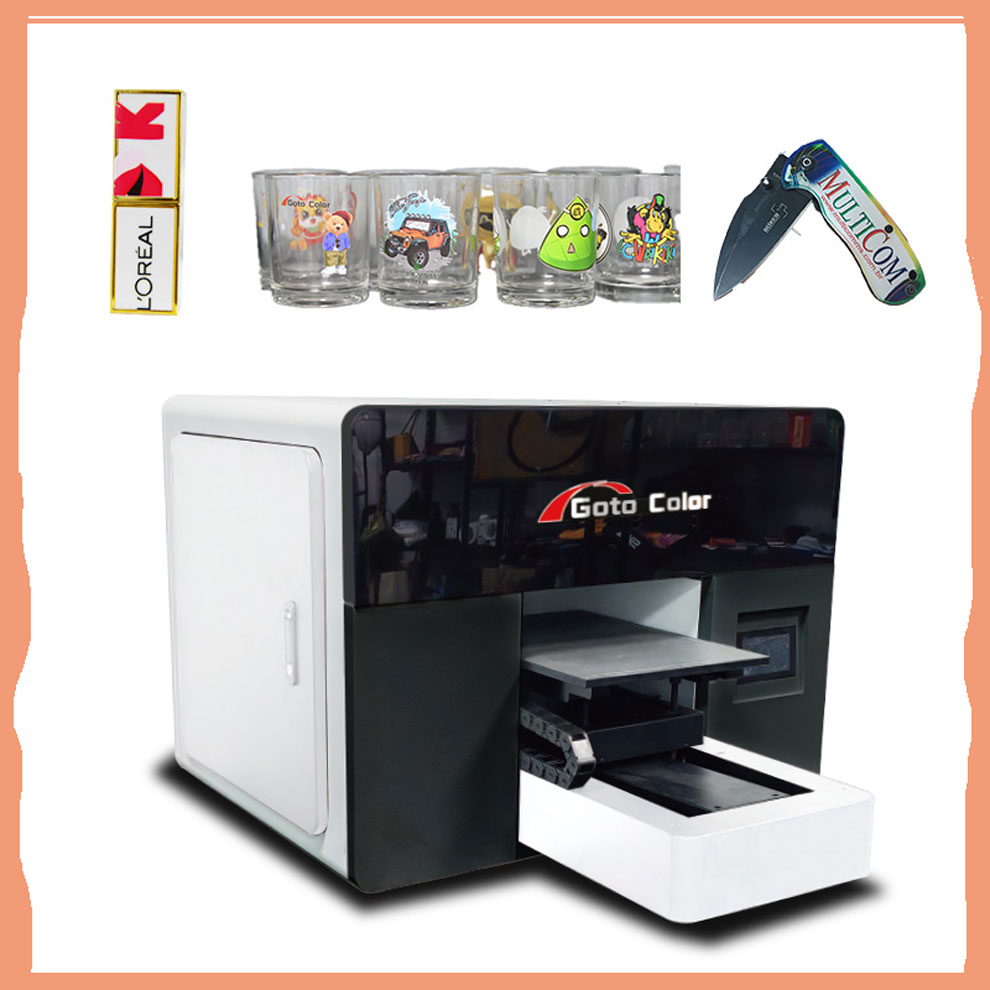
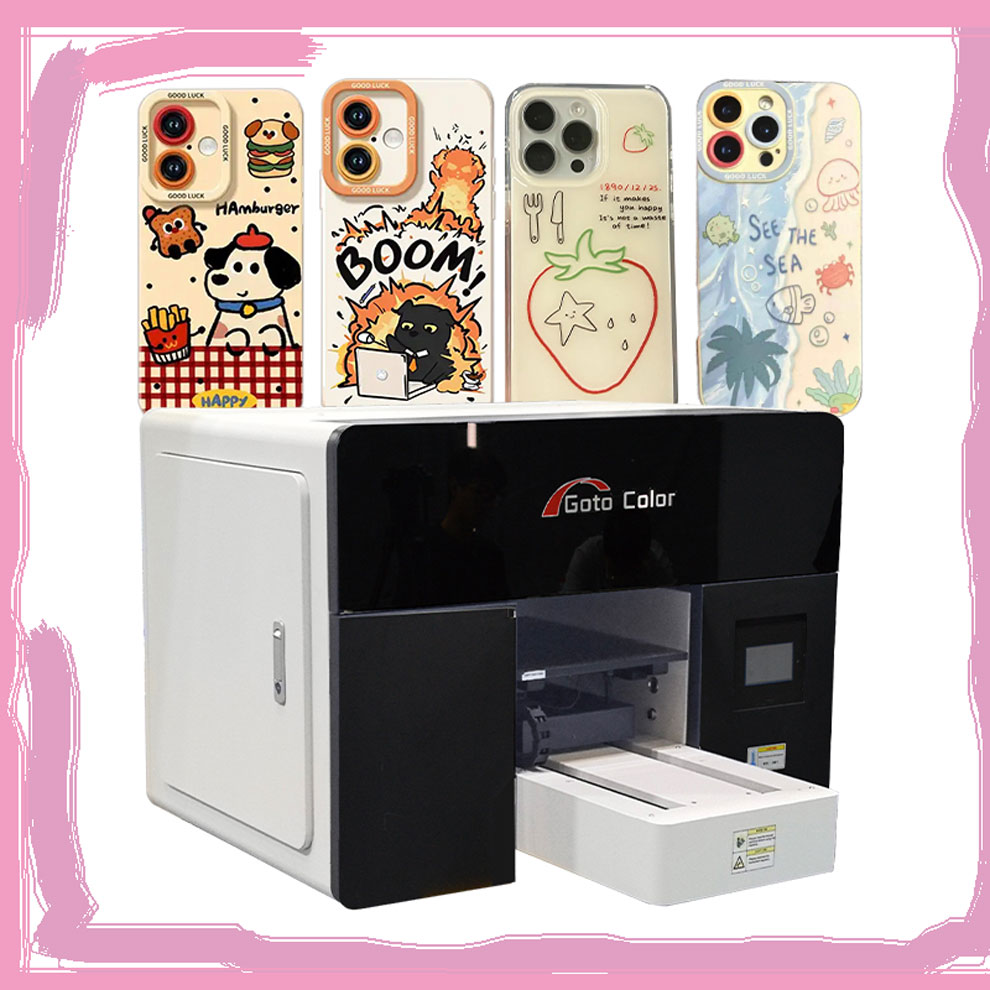
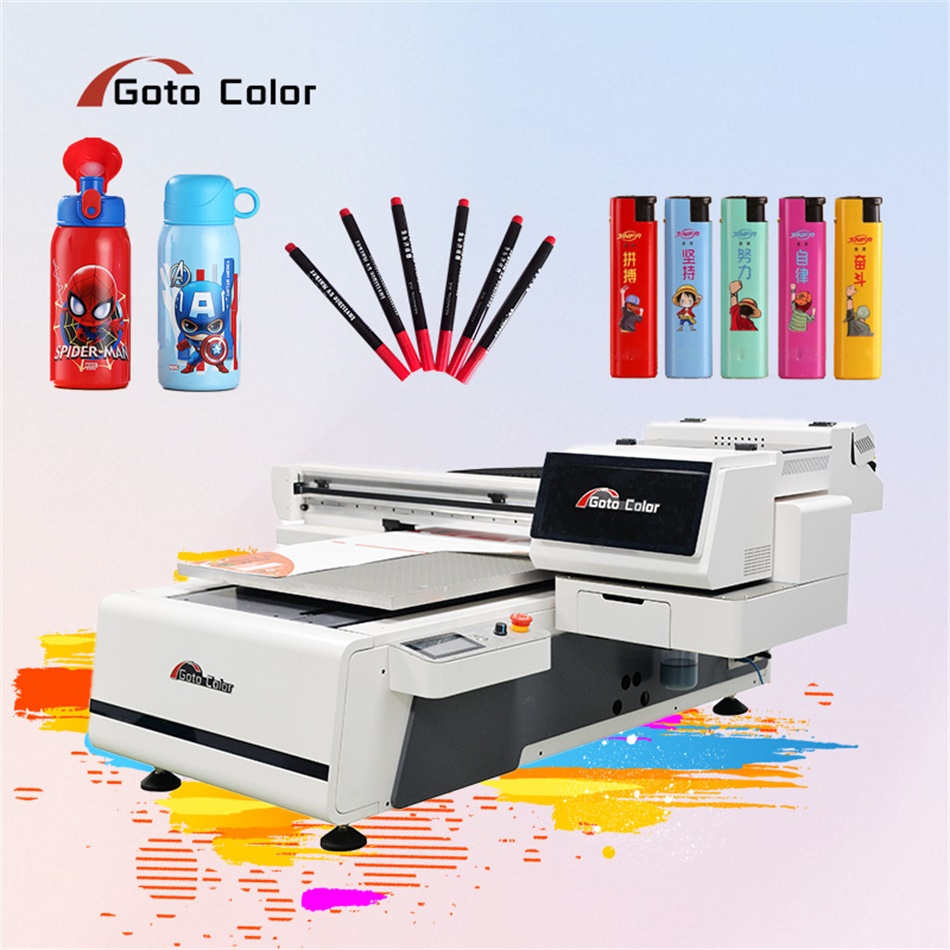
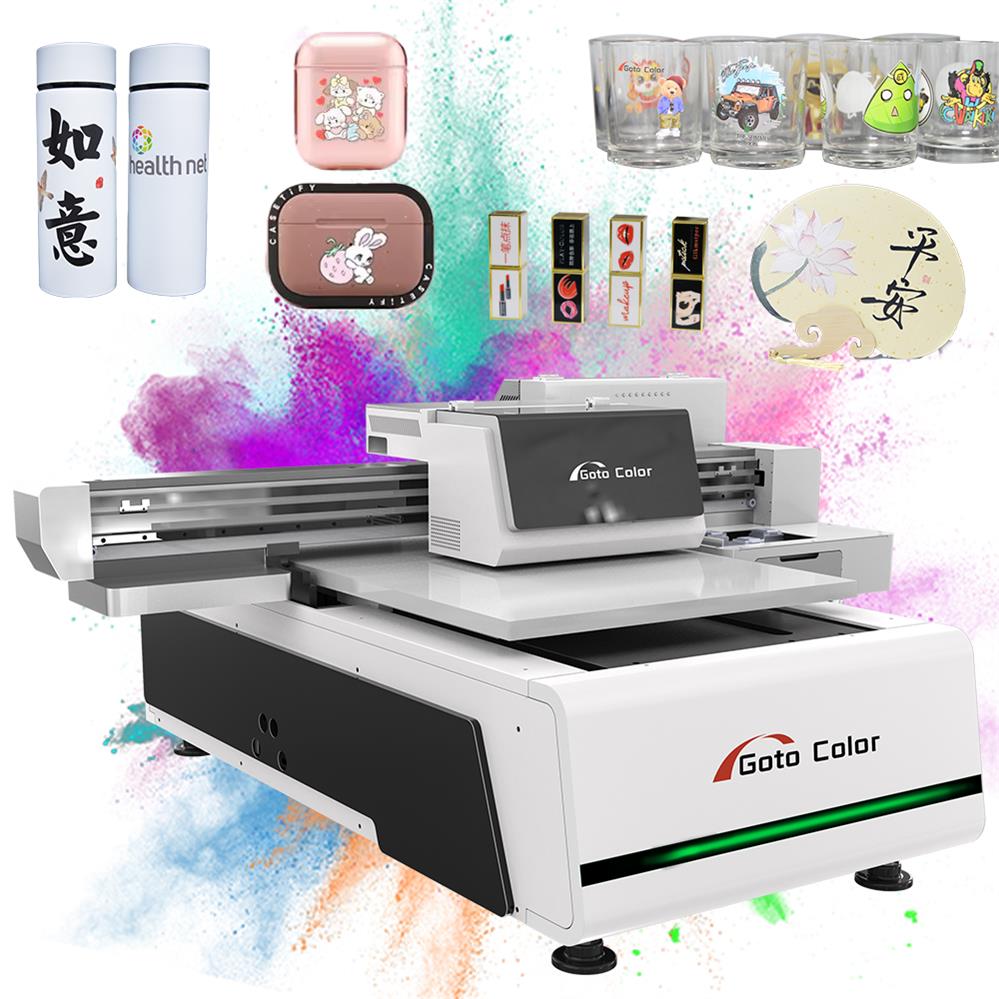
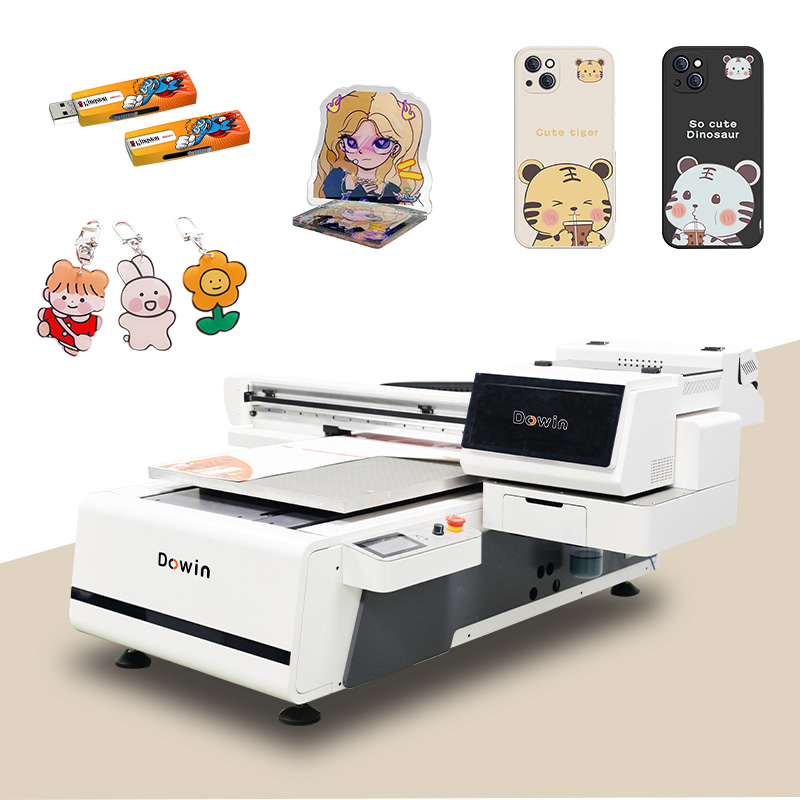
- Personalised Products: Enables durable designs on bottles, cases, and gifts.
- Backlit Displays: Maintains colour integrity under light exposure.
Conclusion
UV ink technology represents a significant leap over traditional printing inks. Its instant curing, versatility on multiple surfaces, and durability make it ideal for professional and creative applications alike. While the higher cost and need for specialised equipment may be barriers for some, the overall performance benefits often justify the investment — especially for high-quality or high-turnaround printing needs.