
Home › Forums › Digital UV Printing Hub › Why UV Printing Is Becoming a Mainstream Solution for Precision Digital Graphics
Tagged: UV Printing
- This topic is empty.
-
AuthorPosts
-
12 January 2026 at 8:34 pm #804
Dowinsss
KeymasterWhy Is Becoming a Mainstream Solution for Precision Digital Graphics
Ultraviolet (UV) curing printing is increasingly recognized as a transformative technology in digital print manufacturing. Unlike older analog systems, UV printing harnesses controlled ultraviolet light to harden ink instantly as it is deposited, overcoming many of the limitations that have constrained conventional methods. This shift is not just about faster production — it reflects broader market demands for material versatility, quality, and sustainable operations.
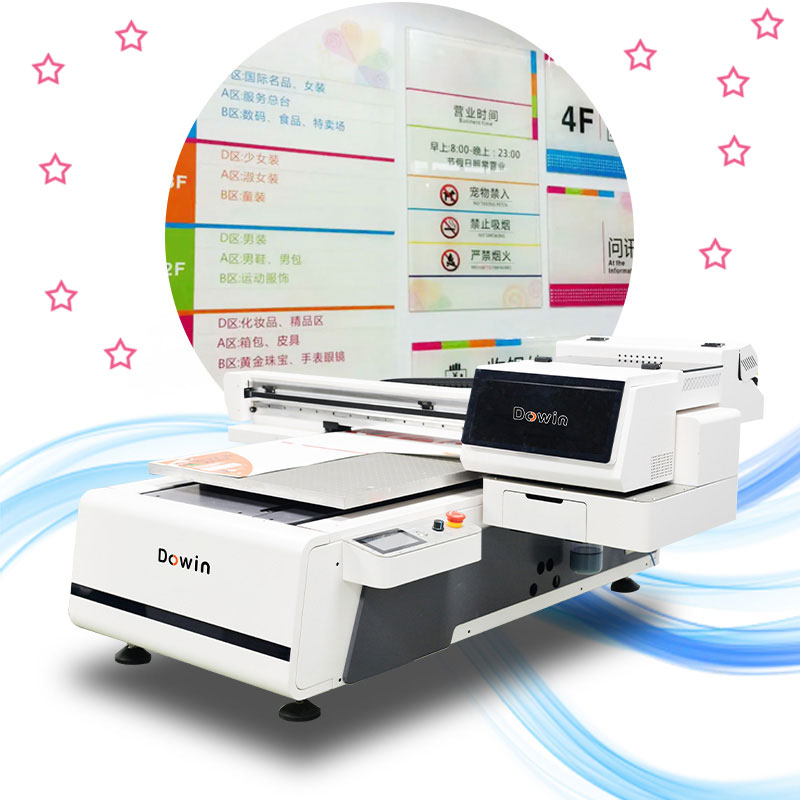
Fundamental Advantages of UV Curing Technology
The central differentiator of UV digital printing is its curing mechanism. UV inks contain photoinitiators that respond to specific UV wavelengths, triggering a chemical reaction that polymerizes liquid ink into a solid film in milliseconds. This process eliminates the need for drying time, locks color into surface layers, and prevents bleeding or absorption into substrates — results that conventional solvent or aqueous inks simply cannot match.
Key benefits of this approach include:
-
Instant Curing: As ink cures immediately upon UV exposure, print throughput increases dramatically, and production bottlenecks from drying are removed.
-
High Durability: UV-cured prints form a tough, abrasion-resistant layer that resists water, chemicals, and UV exposure, making them suitable for outdoor signage, industrial labeling, architectural graphics, and durable promotional products.
-
Superior Color Quality: Sharp lines, rich saturation, and excellent contrast are standard because the ink stays where it is placed without spreading.
-
Environmental Advantages: Many UV ink formulations emit few or no volatile organic compounds (VOCs), aligning with stricter regulatory requirements and workplace health objectives.
From a production engineering standpoint, this combination of speed, adhesion strength, and print stability has repositioned UV printing from a niche innovation to a core capability in mainstream digital print operations.
Material Flexibility That Drives New Business Opportunities
An area where UV printing particularly stands out is substrate compatibility. Traditional digital printing often requires special treated media or is limited to porous materials like paper and textiles. In contrast, UV printing can be applied directly to a wide range of materials — including plastics, glass, metal, wood, ceramics, and composites — without the need for surface pretreatments in many cases.
This versatility means a single system can produce:
-
Indoor and outdoor signage
-
Retail fixtures and point-of-sale displays
-
Custom décor and architectural panels
-
Industrial components with markings or branding
-
High-value promotional items
From a business strategy perspective, this breadth allows print service providers to expand beyond conventional two-dimensional print margins into three-dimensional product spaces, responding to the rising demand for customization and small batch productions in sectors like packaging, experiential marketing, and consumer goods.
Operational Considerations and Workflow Integration
Despite these advantages, adopting UV printing requires thoughtful integration into existing workflows. It’s not simply a drop-in replacement for older systems:
-
Substrate Handling: Flatbed platforms must offer stable, vibration-free support and often include vacuum hold-down systems to secure rigid media during high-precision printing.
-
Control Systems: Advanced motion control and raster image processor (RIP) software are pivotal to achieving consistent quality, particularly when layering specialty inks like white or clear varnish.
-
Material Preparation: While pretreatment is less critical than in analog printing, cleaning or priming can still improve adhesion on certain surfaces.
These system and operational requirements explain why larger commercial and industrial print shops — not hobbyists or general offices — have been the early adopters of UV flatbed solutions. As component costs decline and software becomes more intuitive, however, smaller players are beginning to enter this market segment.
Future Trends in UV Digital Printing
Current industry data indicates that UV printing technology continues to evolve beyond basic 2D output. Several trends are shaping the next phase of its adoption:
-
3D and Texture Effects: Controlled layering of cured ink allows for tactile effects, embossing, or even limited relief patterns, adding physical dimension to printed graphics.
-
Automation and Smart Manufacturing: Integration with Industry 4.0 workflows — such as automated maintenance alerts, remote monitoring, and adaptive print scheduling — is reducing manual oversight and improving uptime.
-
Sustainability Improvements: New ink chemistries and energy-efficient UV LED modules are lowering environmental impact while enhancing performance.
From an industry perspective, these advancements suggest UV curing printing is not a static technology but one that will play a central role in high-value, customizable, and sustainable production environments well into the next decade.
Conclusion
UV digital printing has moved from a specialized capability to a versatile cornerstone of modern printing portfolios. Its instant curing, material flexibility, and superior output quality meet evolving market demands for customization, durability, and environmental compliance. When combined with modern automation and digital workflows, UV printing becomes a strategic asset rather than just another piece of equipment.
In practical terms, businesses should assess their production needs — volume, material types, quality thresholds, and long-term serviceability — before investing. For many, UV printing offers a route to unlock new revenue streams while maintaining competitive operational efficiency.
-
-
AuthorPosts
- You must be logged in to reply to this topic.