
Home › Forums › Digital UV Printing Hub › What You Should Know About UV DTF Printing Technology
Tagged: UV DTF Printing
- This topic is empty.
-
AuthorPosts
-
23 January 2026 at 5:54 pm #880
Dowinsss
KeymasterWhat You Should Know About UV DTF Printing Technology
Among the many printing innovations that have emerged in the past decade, UV DTF (Ultraviolet Direct-to-Film) printing stands out as an evolution of conventional DTF and UV printing approaches. Rather than directly applying ink to a surface like traditional UV flatbed printers, UV DTF combines the strengths of UV-curable inks with a transfer-film workflow to create highly adaptable, durable graphic applications across a wide range of materials.
With customization and product personalization growing rapidly across industries — from promotional products to interior decor and retail merch — understanding how UV DTF printing works and what it delivers is increasingly important for small businesses and creative professionals. According to industry trend reports, demand for versatile, multi-substrate printing solutions has expanded sharply as brands seek ways to differentiate their offerings beyond fabric.
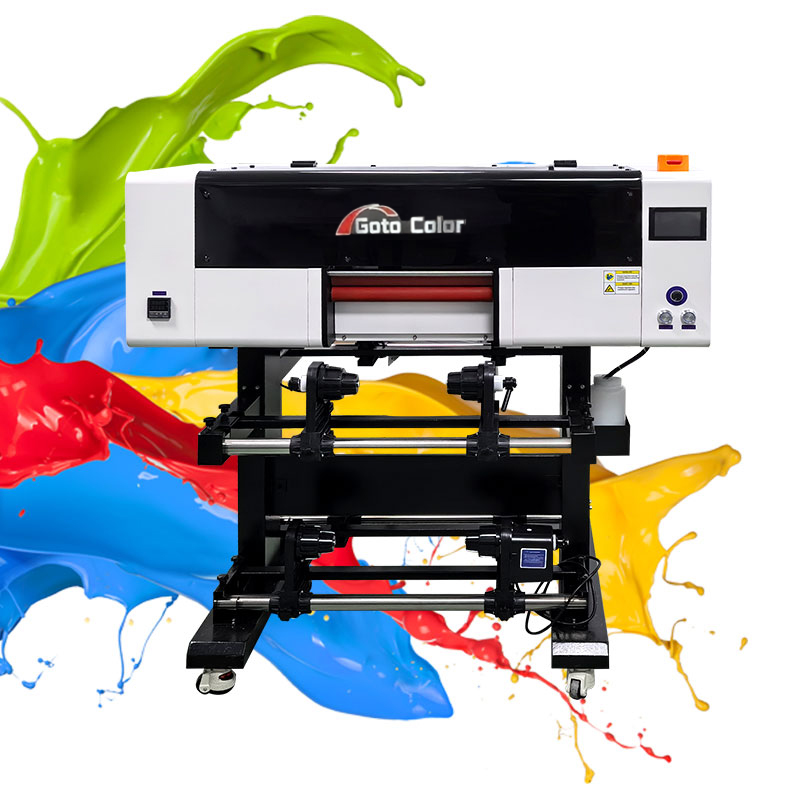
What UV DTF Printing Is — And Isn’t
At its core, UV DTF printing is a hybrid process that borrows elements from two established technologies:
-
UV printing, which uses ultraviolet light to instantly cure inks, and
-
Direct-to-Film workflows, which produce transferable printed film rather than printing directly onto the final substrate.
In practice, the workflow typically follows these steps:
-
A design is printed onto a base transfer film using UV-curable inks.
-
The ultraviolet light integrated in the system cures the ink immediately, fixing the image on the film.
-
A secondary backing film is laminated to the printed film to create a finished transfer.
-
The base layer is peeled off, leaving a “crystal” sticker-like transfer on the backing film.
-
This transfer can then be applied to a rigid substrate such as wood, metal, acrylic, glass, or other hard surfaces.
Unlike conventional UV flatbed printing — which directly prints and cures ink onto rigid substrates — the UV DTF approach extends customization to objects with irregular shapes or curved surfaces without the need for a specialized flatbed table. It does not, however, replace traditional textile printing methods; the resulting transfers are best suited for non-fabric materials.
Why UV DTF Matters in Today’s Market
1. Versatility Across Materials
One of the biggest selling points of UV DTF printing is its cross-substrate adaptability. Because the graphic is first cured on a flexible film, it becomes significantly easier to apply to surfaces where direct printing would be challenging or impossible — including wood plaques, metal signage, glass panels, and acrylic displays.
This versatility aligns with market trends showing growing interest in personalized promotional items, branded merchandise, and customized home décor — categories that are driving sustained growth in digital printing sectors. Creative agencies and small print shops are increasingly leveraging UV DTF not just for stickers, but as a way to differentiate their portfolios.
2. Durability and Quality
UV-cured prints are known for their robust adhesion and resistance to fading, scratching, and environmental stressors. The instant curing of inks by UV light creates vibrant, long-lasting colors that stand up well in outdoor displays and heavy-use products. This durability is especially important for commercial applications and retail products that must survive shipping, handling, and display environments without significant degradation.
3. Sustainability and Efficiency
Compared to traditional solvent-based printing methods, UV-based processes generate fewer volatile organic compounds (VOCs), making them a cleaner option in terms of workplace air quality and environmental impact. UV DTF also tends to reduce material waste, because inks are cured instantly and there’s less rework due to drying or smudging issues. This contributes to more efficient use of consumables and aligns with broader industry movements toward eco-friendly printing practices.
Practical Use Cases Beyond Stickers
Although UV DTF printing is often introduced as a way to produce long-lasting stickers, its applications have expanded as the technology matures:
-
Customized promotional products: Transfers can be applied to drinkware, tech accessories, signage and packaging.
-
Retail and decor: Wood panels, metal frames, glass plaques and decorative boards can all be enhanced with UV DTF graphics.
-
Small business branding: Merch outlets and creative studios use the approach to produce limited-edition or seasonal items that reflect current trends without long lead times.
This flexibility makes UV DTF printing an appealing next step for shops that have outgrown vinyl or thermal printer-based sticker workflows but aren’t ready to invest in high-end flatbed UV systems. The growth of print-on-demand and customization platforms further amplifies this demand, as businesses need prints that look premium and can be produced quickly.
Personal Viewpoint: Where UV DTF Fits Best
From a practical perspective, UV DTF printing sits in an interesting niche between traditional UV flatbed and conventional DTF methods. It doesn’t replace either, but rather expands what is possible without massive capital investment. For makers and small studios, it offers a bridge: the capacity to serve rigid and promotional product markets with higher turnaround and lower setup complexity than traditional flatbed systems.
However, it’s important to set expectations appropriately. The process still requires attention to film quality, curing consistency, and substrate preparation — each of which influences the final outcome and durability. Operators need to understand that, while UV DTF solves many challenges with adhesive transfers and surface compatibility, it’s not a one-size-fits-all solution for fabric printing or extremely high-volume industrial runs.
Final Takeaways
UV DTF printing has emerged as a practical, flexible, and commercially relevant technology that expands the possibilities of direct-to-film workflows. Its ability to produce vibrant, durable graphics on a wide range of materials makes it an attractive option for creative professionals, small print shops, and businesses looking to diversify their product offerings. In an industry increasingly driven by customization, speed, and sustainability, UV DTF stands out as a useful next step in the evolution of digital printing.
-
-
AuthorPosts
- You must be logged in to reply to this topic.