
Home › Forums › Digital UV Printing Hub › What Is DTF Powder? Benefits, Types & How You Actually Use It
- This topic is empty.
-
AuthorPosts
-
25 December 2025 at 8:29 pm #666
Dowinsss
KeymasterIn Direct-to-Film (DTF) printing, DTF powder is one of the most essential materials you’ll use. Simply put, it’s a hot-melt adhesive powder that helps bond the printed design from the film onto your fabric or other surfaces during the heat transfer process. Without DTF powder, the ink alone wouldn’t stick properly, and the transfer would peel or crack over time.
From my experience, understanding how this powder works — and choosing the right type — is critical if you want durable, vibrant prints that don’t fail after a few washes.
What DTF Powder Really Does
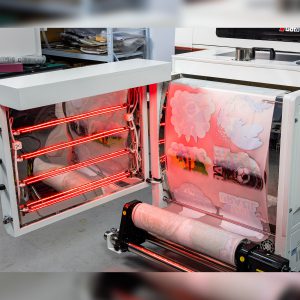
In the DTF workflow, DTF powder is applied directly onto the wet ink printed on the film. Once you sprinkle it over the design and remove the excess, the powder is cured with heat, melting into a clear adhesive layer. During the final heat transfer, this adhesive melts again and fuses the ink to the garment fibers under pressure and temperature.
This process is what turns a printed film into a lasting image on fabric or other materials — without it, you’d have weak bonding and inconsistent transfer quality.
Key Benefits of Using DTF Powder
DTF powder isn’t just glue — its properties significantly affect the final product. Some of the main advantages include:
1. Strong Adhesion
Good DTF powder creates a tight bond between the ink and fabric, meaning prints resist peeling, cracking, and fading even with frequent wear and washing.2. Works on Many Fabrics
Unlike some transfer techniques that only suit specific fabrics, DTF powder helps transfers work on cotton, polyester, blends, and more — expanding what you can offer in a small printing business.3. Keeps Colors Vivid
By locking the ink in place and preventing it from soaking into fibers unevenly, the powder helps preserve bright, crisp designs with clear detail.4. Consistent Production
When applied evenly (often with a shaker), high-quality powder reduces defects like bare spots, powder clumps, or uneven adhesion that can waste time and materials.5. Flexible Finish
Depending on the powder type, you can achieve a finish that moves with the fabric rather than feeling stiff — important for wear comfort and longevity.From my perspective, opting for premium powder pays off — it might cost a little more per kilo, but it drastically reduces rejects and improves final feel compared to cheap alternatives.
Different Types of DTF Powder
Not all powders are made equal. The chemistry and granule size can change the way a transfer behaves:
Thermoplastic Polyurethane (TPU)
This is the most common type of DTF powder. It melts well and forms a flexible bond that moves with the fabric, which is especially useful on stretchable garments or everyday wear.Polyamide (PA)
PA powder balances elasticity and strength, giving slightly tougher prints than TPU with good resistance to abrasion and wear. It’s often chosen when durability is a priority.Polyester (PES)
PES-based powders are generally more rigid and can be a good match for polyester garments or prints that need enhanced wear resistance.In addition to the chemical type, powders also come in different mesh sizes (fine, medium, coarse), which influence finish and how the design feels on the fabric. Fine powders give smoother surfaces ideal for small, detailed graphics, while coarser powders might be better for bold, large artwork.
How to Use DTF Powder — A Simplified Workflow
Here’s a basic overview of how DTF powder is used in practice:
-
Print your design on DTF film with wet ink from a DTF-capable printer.
-
Sprinkle the powder evenly over the wet ink. It adheres only where ink is present.
-
Shake off excess powder so only a thin, consistent layer remains.
-
Cure the powder with heat (typically around 140–160°C), melting it into a transparent adhesive layer.
-
Heat press the design onto your fabric. The cured powder reactivates, binding ink to fibers.
-
Peel the film once it’s cooled or at the recommended peel temperature.
Mistakes during any of these steps — especially uneven powder application or incorrect curing temperature — are common sources of print defects. In my experience, practice and attention to detail here make a huge difference in consistency.
Final Notes: Why DTF Powder Matters
Without DTF powder, you simply wouldn’t get strong, consistent transfers — it’s the ingredient that turns printed film into a wearable design. Choosing the right powder type for your fabric and design style — and applying it well — is one of the most impactful decisions a DTF printer operator can make.
-
-
AuthorPosts
- You must be logged in to reply to this topic.