
Home › Forums › Digital UV Printing Hub › What Does DTF Mean in Printing? My Take After Using It
- This topic is empty.
-
AuthorPosts
-
24 December 2025 at 8:55 pm #646
Dowinsss
KeymasterDTF is one of those printing terms that shows up everywhere lately, especially if you’re into custom apparel or small printing businesses. DTF simply means Direct-to-Film, but the name alone doesn’t really explain why so many people are switching to it. After looking into it and seeing how it’s actually used, I think the hype makes sense—though it’s not perfect for every situation.
What DTF Printing Is, in Simple Words
DTF printing works by printing a design onto a special film, not directly onto the fabric. That printed design is then transferred onto a garment using heat and pressure. The key point is that the image is created first, stored on film, and only later applied to the final product.
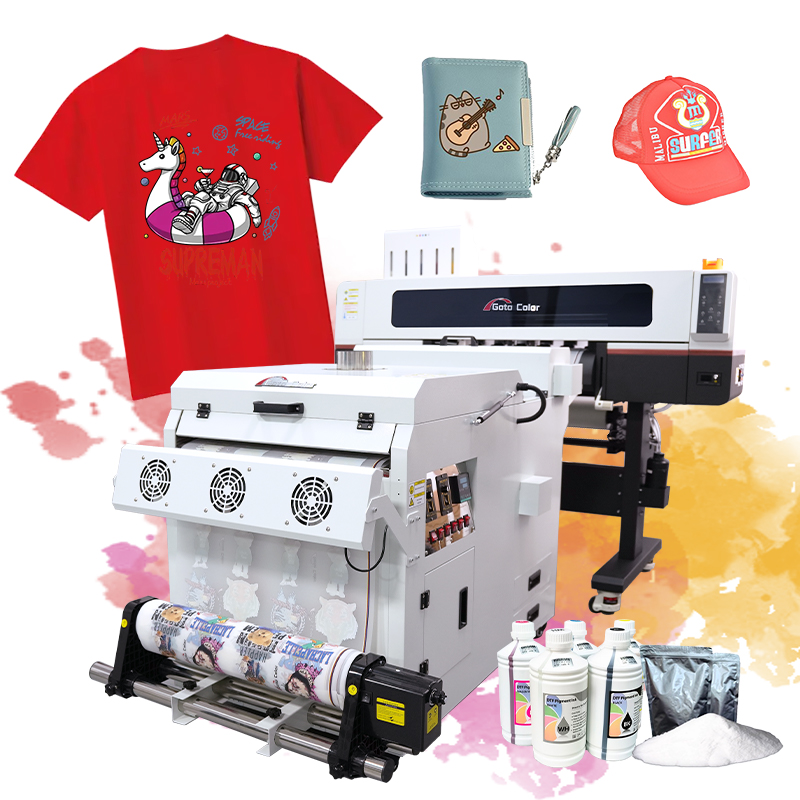
Personally, I think this “two-step” idea is what makes DTF so flexible. You’re not locked into printing directly onto one specific type of fabric, which already gives it a big advantage.
How the DTF Process Usually Goes
The typical workflow looks like this:
-
Design your artwork on a computer
-
Print the design onto DTF transfer film
-
Apply adhesive powder while the ink is still fresh
-
Cure the film with heat
-
Press the design onto the garment
-
Peel the film to reveal the final print
It sounds like a lot at first, but once you’ve done it a few times, the process is pretty straightforward. In my opinion, it’s actually easier to standardize than some traditional printing methods.
Why DTF Has Become So Popular
There are a few reasons DTF stands out, and these are the ones I think matter most:
-
Fabric versatility: DTF works on cotton, polyester, blends, dark fabrics, light fabrics, and even some non-traditional materials. That alone makes it extremely practical.
-
No pretreatment required: Skipping fabric pretreatment saves time and reduces errors.
-
Strong colors and detail: Fine lines, gradients, and full-color images come out very clean.
-
Good for small orders: If you’re doing short runs or custom pieces, DTF makes much more sense than large-scale methods.
From my perspective, DTF really shines for people who want flexibility rather than mass production.
How It Compares to Other Printing Methods
DTF isn’t here to replace everything, but it fills a useful gap:
-
Compared to screen printing, DTF is better for complex designs and low quantities.
-
Compared to sublimation, DTF isn’t limited to light polyester fabrics.
-
Compared to direct-to-garment, DTF avoids pretreatment and handles dark fabrics more easily.
If you’re running a small shop or offering custom work, DTF feels like a more forgiving option overall.
What You Actually Need to Get Started
To run DTF printing, you generally need:
-
A printer suitable for DTF inks
-
DTF transfer film
-
Adhesive powder
-
A heat press
That’s it. No complex setup, no massive space required. This low entry barrier is another reason I think DTF has grown so fast.
Final Thoughts
In my view, DTF printing isn’t just a trend—it’s a practical solution for modern custom printing needs. It’s not the fastest method for huge production runs, but for versatility, ease of use, and consistent results, it’s hard to ignore.
If you care more about flexibility and customization than industrial-scale output, DTF is definitely worth considering.
-
-
AuthorPosts
- You must be logged in to reply to this topic.