
Home › Forums › Digital UV Printing Hub › UV DTF vs Regular DTF Cup Wraps: What’s the Difference?
- This topic is empty.
-
AuthorPosts
-
19 December 2025 at 7:52 pm #515
Dowinsss
KeymasterCustomizing drinkware like tumblers, mugs, and water bottles has exploded in popularity, both for hobbyists and small business owners. With more printing options now available, two methods you’ll hear about often are UV DTF and regular DTF — and while both can produce quality results, they’re designed for different types of products and deliver different outcomes.
What Is UV DTF?
UV DTF stands for Ultraviolet Direct to Film. In this process, designs are printed directly onto a sticky film using inks that cure instantly when exposed to UV light. Instead of needing heat to set the ink and adhesive, the ink hardens as soon as it’s printed, creating a strong, durable decal that can be peeled off and applied like a sticker. These peel-and-stick wraps are especially useful for decorating non-fabric items like mugs, metal bottles, glass cups, and other hard, smooth surfaces.
Because the ink is cured right away with UV light, the finished product tends to be highly durable, resist water and scratches well, and display vibrant, glossy colors — similar to what you’d expect from a high-quality custom decal.
What Is Regular DTF?
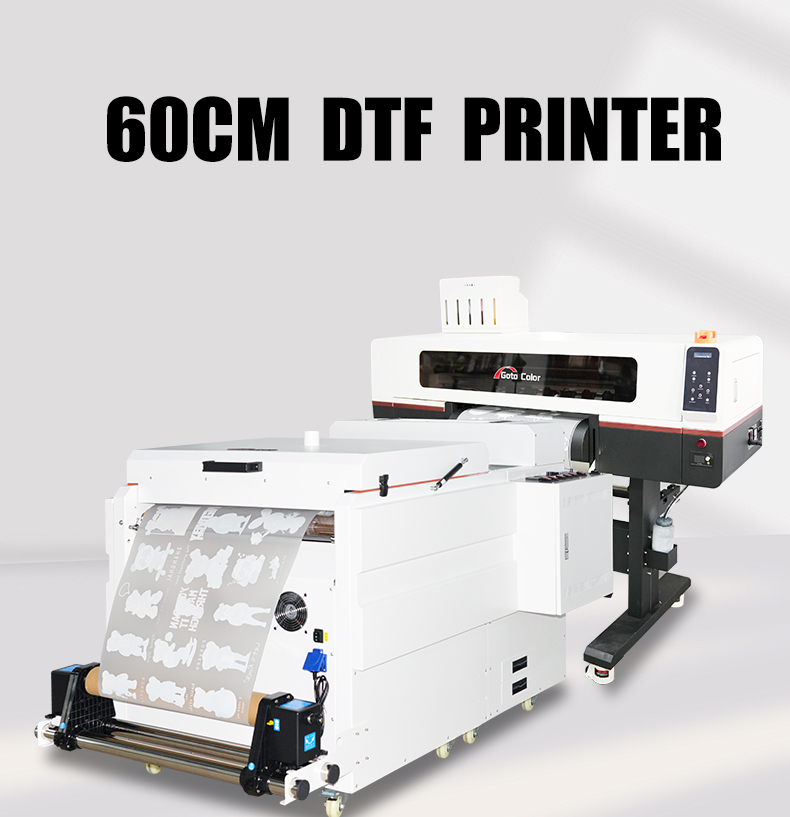
Regular DTF — or Direct to Film — is a different workflow. You print your artwork onto special DTF film, then apply a powdered adhesive over the wet ink. That film and powder combo is heat-cured before it’s ever applied to the final item. To transfer the design onto a shirt, hoodie, or other fabric, you use a heat press. This method is widely used for apparel because the adhesive bonds into the fabric, and the print feels soft and flexible once pressed.
Regular DTF works great for textiles — shirts, bags, hoodies, and other garments — but it’s not always ideal for curved or slick hard surfaces, where getting even heat and pressure can be tricky.
Head-to-Head: UV DTF vs Regular DTF
Here are the key differences between the two methods broken down by main characteristics:
1. Application Process
-
UV DTF: Peel-and-stick — no heat press required.
-
Regular DTF: Requires a heat press to apply the design.
2. Ideal Substrates
-
UV DTF: Works on hard, non-porous surfaces like glass, metal, plastic, and ceramic.
-
Regular DTF: Best for fabrics and textiles.
3. Durability
-
UV DTF: Excellent resistance to water and scratching once cured.
-
Regular DTF: Very durable on fabric, but less suited to frequent washing or heavy wear on hard objects.
4. Appearance and Feel
-
UV DTF: Glossy finish and slightly raised texture; looks like a seamless wrap.
-
Regular DTF: Softer, matte-leaning feel on garments.
5. Ease of Use
-
UV DTF: Beginner-friendly, straightforward peel-and-stick application.
-
Regular DTF: More technical due to heat pressing and pressure control.
Pros and Cons of UV DTF Wraps
Advantages
-
Easy application — no heat press needed.
-
Works beautifully on cups, mugs, bottles, and other hardwares.
-
Often waterproof, scratch-resistant, and long lasting.
-
Glossy, vibrant graphics with a professional look.
Limitations
-
Material and equipment costs tend to be higher than for regular DTF.
-
Slightly raised texture may not suit every design or aesthetic.
-
Requires special films and UV-curable materials, which can cost more.
Pros and Cons of Regular DTF Wraps
Advantages
-
More affordable, especially for fabric printing.
-
Produces soft, comfortable, wearable designs.
-
Supplies and equipment are broadly available.
Limitations
-
Not ideal on curved or smooth hard surfaces without careful pressure and heat.
-
Heat press technique requires practice.
-
Less effective on items exposed to constant washing or handling compared with UV-cured wraps.
Which Should You Choose?
The best method depends on what you plan to customize:
-
For apparel (t-shirts, hoodies, bags): Regular DTF remains the top choice thanks to its soft feel and textile-friendly adhesion.
-
For drinkware and hard goods (cups, mugs, bottles, glassware): UV DTF wraps are generally superior, offering a more durable, waterproof finish without the need for a heat press.
Answering a few basic questions can help you decide:
-
Are you decorating fabrics or garments? If yes, regular DTF is the logical choice.
-
Are your products hard, smooth surfaces like metal or glass? UV DTF will usually give longer-lasting results.
-
Do you want a simpler application with no heat press involved? UV DTF is easier for beginners.
-
Are you on a tight budget focused on apparel? Regular DTF tends to be more economical.
Final Thoughts
Both UV DTF and regular DTF are reliable and effective ways to produce custom graphics — but they serve clearly different purposes. For fabric-based products, regular DTF continues to be a popular, flexible, and cost-efficient method. For hard goods like mugs, tumblers, and bottles, UV DTF often delivers stronger durability, a more polished look, and a more user-friendly application workflow.
Choosing the right technique ultimately comes down to matching your printing process to the type of product you want to create and the performance you expect from the final result.
-
-
AuthorPosts
- You must be logged in to reply to this topic.