
Home › Forums › Digital UV Printing Hub › The Complete Guide to Small Desktop UV Flatbed Printers
- This topic is empty.
-
AuthorPosts
-
6 January 2026 at 7:06 pm #757
Dowinsss
KeymasterSmall desktop UV flatbed printers represent a significant shift in how many businesses handle custom printing. These compact machines bring in-house production capabilities for personalized items such as phone cases and custom gifts — eliminating reliance on slow, costly outsourcing and enabling profitable customization services.
What Is a Small Desktop UV Printer and How It Works
A small desktop UV printer is a digital printer that deposits tiny droplets of specially formulated UV-curable ink directly onto a substrate. Immediately after the ink is laid down, an integrated ultraviolet (UV) LED light source passes over the ink and instantly cures it — turning it from a liquid into a solid. This rapid curing is what sets UV printers apart from traditional inkjet systems, which rely on solvents that must evaporate and dry.
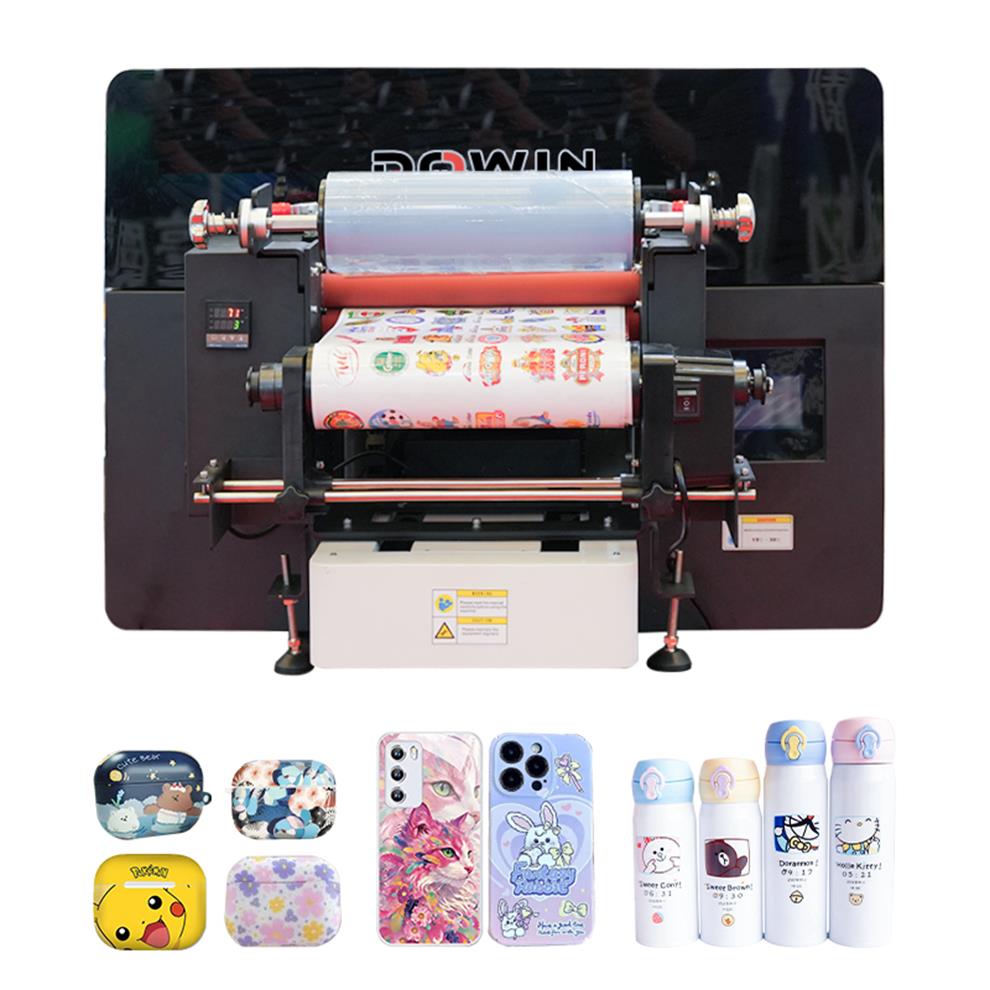
This instant curing allows printing on non-porous, hard surfaces such as plastic, acrylic, metal, and glass — materials that conventional inkjet printers struggle with — without the ink smearing or requiring long drying times. The result is vibrant, scratch-resistant images that are ready for handling immediately. UV Flatbed Printer Manufacturer
From a business perspective, this process is powerful: it turns what used to require specialized presses or outsourcing into a turnkey digital workflow, ideal for fast turnarounds and short production runs.
Who Should Consider a Small UV Flatbed Printer?
Small UV printers are not only for large manufacturers. A variety of businesses can benefit from owning one:
-
Custom Gift Producers: Personalized phone cases, keychains, acrylic plaques, decorative items, and similar products become easier and cheaper to produce in-house.
-
Promotional and Advertising Services: Small signage, branded promotional items, and custom badges can be created without outsourcing, increasing profit margins.
-
E-commerce Entrepreneurs: Online sellers can launch unique product lines without relying on third-party manufacturers, gaining direct control over quality and delivery times.
-
Prototyping Departments: Engineers and designers can quickly print custom labels, control panels, and fitting parts for prototyping and testing, saving lead times and tooling costs.
In my assessment, this category of devices is particularly valuable for startups and small businesses with a focus on high-value personalization — but only if there is consistent demand. Sporadic use will not justify the upfront cost.
Versatility: Materials You Can Print On
One of the strongest selling points of small UV flatbed printers is the range of materials they can handle without specialized pre-treatment. These include:
-
Plastics (e.g., ABS, PVC and especially acrylic). High-end signage and clear photo blocks can be made directly.
-
Wood and bamboo. Ideal for coasters, small decorative signs, awards.
-
Metals (aluminum, stainless steel, brass). Useful for plaques, custom labels and industrial panels.
-
Glass and ceramics. Custom tiles and glassware become printable with optional attachments.
-
Leather and faux leather. Personalization of wallets, belts, notebooks.
-
Silicone and TPU. This enables flexible item printing such as phone cases without cracking or peeling.
This broad substrate support means one machine can support multiple product lines — a material advantage for businesses aiming to diversify offerings without adding extra equipment.
Realistic Pricing Expectations
Expect wide variation in pricing for small UV flatbed printers. Entry-level models may start in the lower thousands, while professional desktop units with industrial-grade components often reach into the tens of thousands.
Four key factors drive price differences:
-
Printhead Technology: More advanced printheads offer better speed, resolution and longevity.
-
Build Quality: A stable frame and precision flatbed are crucial for consistent performance.
-
Features: Rotary attachments, anti-collision systems, larger print areas and enhanced software add value.
-
Consumables and Software: Quality UV ink and robust RIP software are essential parts of the investment.
A critical point: the cheapest machine is not necessarily the most economical. Low-cost units often sacrifice reliability, print quality, and support — factors that can quickly erode margins in a business setting. If your goal is consistent, sellable output, prioritize durability and serviceability over the lowest price tag. (This is supported by community experiences that cheap printers can clog easily and fail prematurely without rigorous maintenance and support.)
Output Quality: Speed, Detail, and Precision
Professional small UV printers balance three essential elements:
-
Speed: Faster machines reduce turnaround times but may compromise ink density if not well-engineered.
-
Print Quality: High resolution and vibrant ink chemistry produce sharper, more appealing products.
-
Accuracy: A level, vibration-free bed and precise motion mechanics ensure repeatable results — particularly important for complex or high-detail prints.
In my view, quality consistency is the most important factor for commercial use. A printer that requires heavy tweaking or yields variable results will harm brand reputation far more than a slightly slower machine.
After-Sales Support: A Business Imperative
Buying a small UV flatbed printer isn’t just hardware acquisition; it’s adding a core production capability. Adequate support is essential:
-
Installation & training ensures operators are productive quickly.
-
Responsive technical support minimizes downtime when issues arise.
-
Consumable and parts availability prevents production bottlenecks.
-
Warranty coverage offers protection against defects and early failures.
Without these, the risk of prolonged downtime and lost revenue increases significantly. Free-or-cheap units with limited support tend to cost more in the long term. (Community feedback about failed inexpensive printers underscores this risk.)
Conclusion: When a Small UV Printer Is Worth It
A small desktop UV flatbed printer can be an excellent investment when:
-
You have steady demand for printed specialty products.
-
Your business strategy focuses on customization and turnaround speed.
-
You value in-house control over quality and delivery.
-
You’re prepared to invest in support and maintenance.
However, if demand is sporadic or margins are thin, outsourcing to specialized print providers may remain the more cost-effective choice. In my experience, many small businesses overestimate the immediate profitability of UV printers without planning for consistent utilization.
-
-
AuthorPosts
- You must be logged in to reply to this topic.