
Home › Forums › Digital UV Printing Hub › Practical Thoughts on UV DTF Printers and Starting a DTF Business
- This topic is empty.
-
AuthorPosts
-
23 December 2025 at 5:36 pm #590
Dowinsss
KeymasterI’ve been looking into UV DTF printing and how to actually build a business around it, and there’s a lot more to it than just buying a machine. In print communities, people often ask what UV DTF is, how it differs from other printing tech, and what steps you need to take if you want to turn it into a side hustle or full-time shop. So here’s a combined overview from my experience and what I’ve learned.
What UV DTF Printing Actually Is
At its core, UV DTF (Ultraviolet Direct to Film) printing is a way to produce vibrant, full-color graphics on flexible film that you can then transfer onto all sorts of surfaces. The key difference with UV DTF is that the ink is cured with UV light on the film itself, instead of being heat-cured during transfer. This means you end up with a ready-to-apply decal that’s already durable and water-resistant right off the printer.
The results look impressive — crisp details, bright colors, and a slightly raised texture that works well on curved objects like cups, bottles, tumblers, or other hard goods. Because the ink is already cured before application, you don’t need a super powerful heat press like you would with traditional heat-activated transfers; a moderate press is often enough.
People unfamiliar with UV DTF sometimes confuse it with UV flatbed printing, but they’re not the same. Flatbed tech prints directly onto rigid items like wood, acrylic, or glass, whereas UV DTF prints to film first and then transfers to the object. This makes UV DTF more flexible for uneven or cylindrical surfaces where a flatbed printer might struggle to maintain contact.
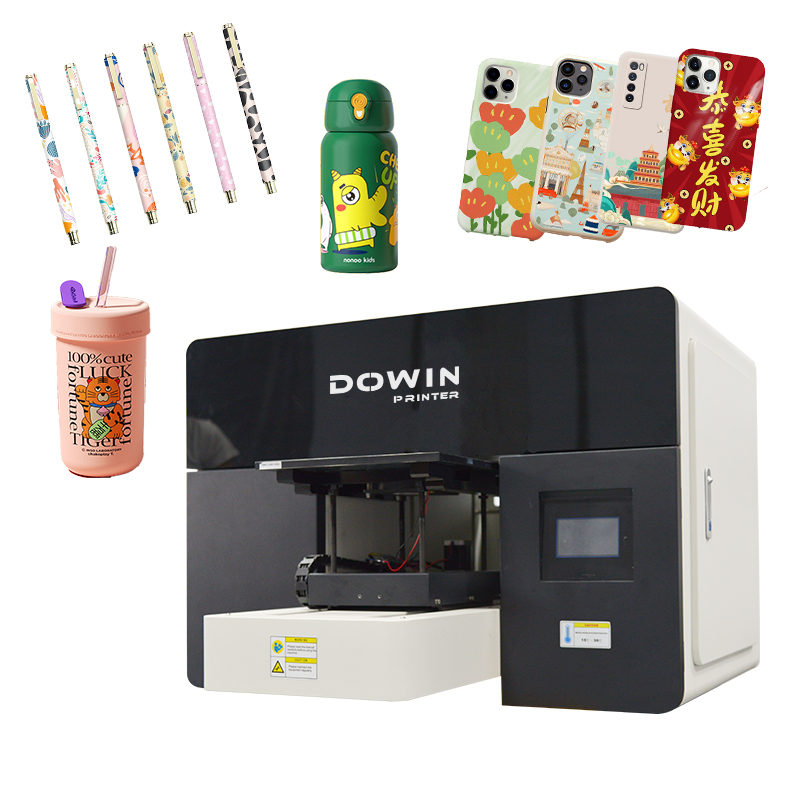
Choosing and Understanding UV DTF Printers
If you’re considering getting into this, the printer itself matters a lot. UV DTF machines are specialized — they need UV light sources strong enough to cure the inks immediately, a reliable film feed system, and a stable print bed that can handle the transfer material consistently. When people debate which printer to buy, the usual topics are:
-
Print quality: How accurately it reproduces color and detail.
-
Curing consistency: Whether the UV lamps cure ink evenly across the whole design.
-
Material support: Does it handle different films, film widths, and thicknesses without jamming?
-
Workflow reliability: Are there easy software controls for layout, color management, and job queuing?
A good printer doesn’t guarantee good results — you’ve still got to master ink densities, color profiles, and curing parameters — but it does make the learning curve manageable.
Setting Up Your Workspace and Workflow
A common mistake new operators make is not planning the workspace for production. UV DTF isn’t just “plug in and go.” You need:
-
A clean area for film handling so dust doesn’t ruin prints.
-
A consistent lighting environment so you can inspect cured prints accurately.
-
Good ventilation — UV curing can emit odors from ink polymers as they harden.
-
Proper racks or holders to dry and store finished decals before pressing.
Getting your workspace organized early will save a ton of headaches later. Treat UV DTF like a hybrid between digital printing and decal production — it’s not just printing, it’s finishing.
How to Turn UV DTF into a Business
There’s a real demand for custom printed products right now, especially smaller batches that don’t justify screen printing or large production runs. That’s where UV DTF shines: one-off personalized orders, small quantities for events, and unique designs customers can’t find elsewhere.
Here’s a practical sequence to follow if you want to make this a business:
1. Market Research
Know your audience and competition. Look at local shops, online sellers, and social platforms to see what sells and at what price. Are people asking for custom tumblers? Personalized glassware? Branded merch for local events? Understanding this lets you focus your offerings instead of guessing.
2. Business Planning
A simple business plan goes a long way. You don’t need a huge document, but you do need clarity on:
-
Your startup costs (printer, press, inks, film, workspace).
-
Your pricing model (material costs + labor + profit).
-
How you’ll reach customers (marketplaces, social media, local clients).
-
Your cash flow expectations and breakeven point.
This helps you manage finances instead of hoping for sales to magically cover costs.
3. Equipment and Supplies
Besides the UV DTF printer, you’ll need:
-
Reliable transfer films and high-quality UV inks.
-
A heat press that can handle bottles and curved items safely.
-
Adhesive solutions suited to the surfaces you plan to cover.
-
Backup parts and maintenance tools — printers don’t break on convenient schedules.
Test all materials together before committing to them in production. A mismatch between film, ink, and press can cause adhesion failures or color issues.
4. Mastering the Technique
Even great equipment won’t compensate for poor technique. The most common issues people run into are:
-
Inconsistent curing leading to uneven adhesion.
-
Color shifts between what you see on screen and the final print.
-
Adhesion problems on curved or textured surfaces.
Practice on scrap pieces often and create your own standard operating settings for different materials. Reliable results are repeatable results.
5. Pricing, Branding, and Marketing
Get your pricing right. Don’t just charge material cost plus a markup; factor in labor, setup time, and overhead. Then present your work professionally:
-
Create a clean portfolio.
-
List products with clear descriptions and photos.
-
Use social platforms to show process and finished pieces.
Word of mouth and recurring customers are major drivers in this industry.
Common Challenges and How to Deal With Them
People often underestimate the learning curve. Some issues you’ll want to anticipate:
-
Supply chain delays for inks and films — always have spares.
-
Ink wastage during setup — optimize test prints to minimize.
-
Client revisions after printing — set clear proofing processes before production.
-
Color inconsistency across batches — use profiles and calibration routines.
Treat these not as obstacles but as expected parts of a growing business. Once you put systems in place, these problems become manageable.
Final Thoughts — Is UV DTF Worth It?
If your goal is customization, fast turnaround, and creative freedom, UV DTF has a strong place in today’s print world. It fits especially well if you cater to:
-
Small businesses needing branded merch.
-
Event planners ordering custom gifts.
-
Online sellers doing limited editions.
-
Customers wanting personalization and variety.
The upfront cost is real, and there’s a learning curve — but with good planning, consistent workflow, and smart marketing, this is one of the most adaptable printing methods around right now.
-
-
AuthorPosts
- You must be logged in to reply to this topic.