
Home › Forums › DTF Printer Hub › Is a DTF Printer Necessary for Your T-Shirt Printing Business? A Data-Driven Analysis
Tagged: T-Shirt Printing
- This topic is empty.
-
AuthorPosts
-
30 January 2026 at 8:02 pm #940
Dowinsss
KeymasterIs a DTF Printer Necessary for Your T-Shirt Printing Business? A Data-Driven Analysis
The T-shirt printing industry is at a crossroads, shaped by the demand for mass customization and rapid fulfillment. While numerous technologies—from large-format roller printers and screen printing to direct-to-garment (DTG) and heat transfer devices—vie for market share, one method has generated significant discussion: Direct-to-Film (DTF) printing. This analysis, leveraging industry data and trend reports, moves beyond basic comparisons to examine if DTF is the right strategic fit for modern print businesses.
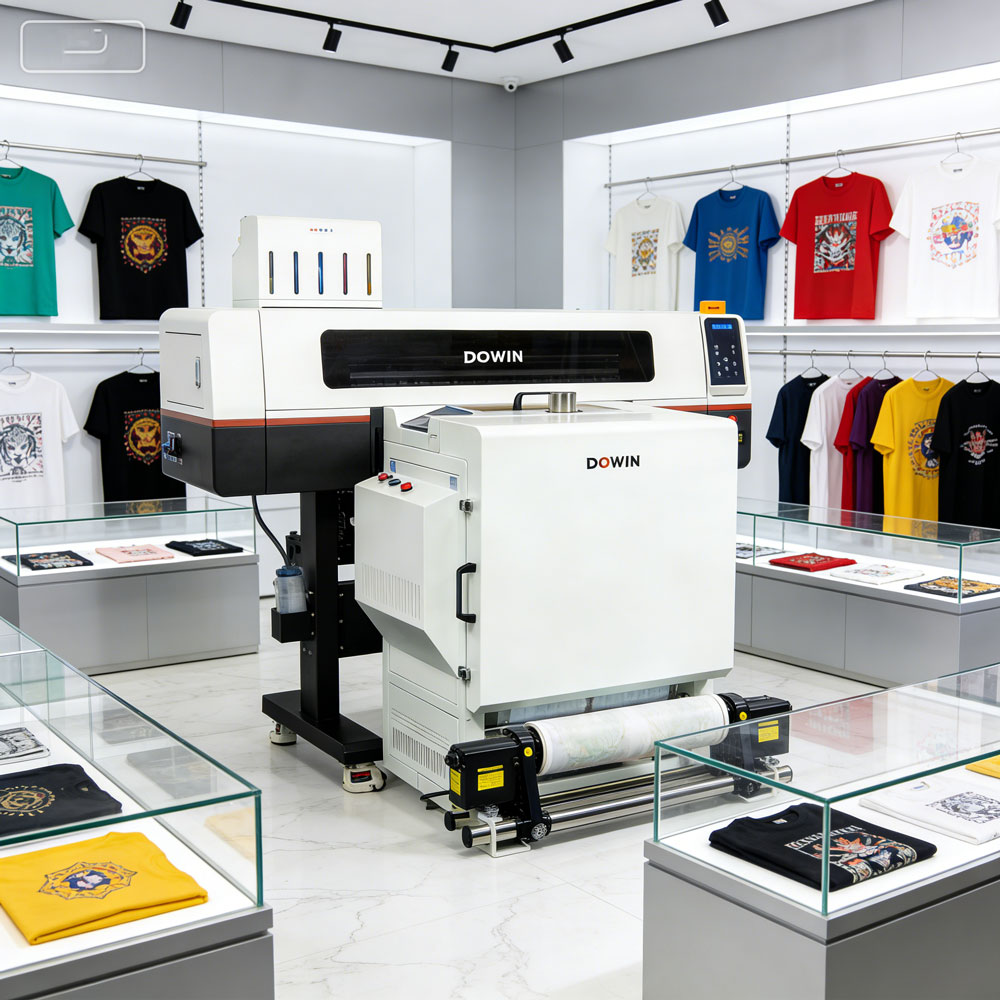
1. Deconstructing the DTF Process: Beyond the Hype
At its core, DTF printing involves printing a design onto a special PET film with water-based pigment inks, then applying a hot-melt adhesive powder. The design is subsequently transferred to fabric using a heat press. Market data indicates its rapid adoption is driven by key performance claims:
-
Unprecedented Substrate Versatility: Industry case studies consistently show DTF successfully printing on 100% cotton, polyester, blends, and even tricky materials like nylon or leather without pre-treatment. This flexibility is a primary driver, reducing the need for multiple dedicated setups.
-
Color Performance on Dark Garments: Unlike some digital methods that struggle with opacity on dark fabrics, DTF’s white ink layer and adhesive powder system allow for vibrant, full-color designs on black shirts—a frequent customer request where other digital methods may falter.
-
Durability and Hand-Feel: When executed correctly, DTF transfers are noted for good wash durability. The print remains flexible with a soft hand feel, addressing a common complaint about some transfer methods that leave a stiff, plastic-like layer.
2. A Data-Informed Comparison with Competing Technologies
A true evaluation requires a comparative lens. Big data analytics from textile printing forums and equipment sales trends reveal a nuanced picture.
Technology Ideal Application (Data-Driven Niche) Key Advantages (Per Market Feedback) Primary Constraints (From User Reports) Screen Printing High-volume, repeat orders (e.g., uniform runs of 500+). Lowest per-unit cost at scale; high opacity; proven, robust technology. High upfront setup (screen) cost/time; economically inefficient for small batches; complex color gradients are challenging. Direct-to-Garment (DTG) On-demand, complex designs on light-colored, cotton-heavy products. True digital workflow (no screens/films); excellent detail and color blending; ideal for one-offs. Requires extensive fabric pre-treatment for dark garments; slower for bulk; printhead maintenance can be a pain point. Heat Transfer (Sublimation) All-over prints & synthetic fabrics (e.g., sportswear, mugs). Vibrant, permanent dye infusion; excellent for 100% polyester items. Limited to synthetic fibers or coated substrates; not suitable for cotton garments. DTF Printing Mixed-fabric, short-to-medium runs, especially on dark colors. No fabric pre-treatment; works on a wide range of materials; competitive setup and running costs for batches. Involves a multi-step process (print, powder, cure, press); environmental controls for powder are needed; can have a higher material cost per print than screen at huge volumes. 3. The Industry Context: Why DTF’s Timing Might Be Right
The rise of DTF is not an accident. It aligns with several macroeconomic and consumer trends identified in industry reports:
-
The “Amazon Effect” in Apparel: The demand for fast, customized product turnaround is higher than ever. DTF’s relatively quick setup compared to screen printing makes it agile for fulfilling diverse, small-batch e-commerce orders.
-
Supply Chain Diversification: Small to mid-sized businesses seek resilient, in-house production capabilities. DTF offers a more accessible entry point than some industrial methods, reducing reliance on large external printers.
-
Sustainability Pressures (A Double-Edged Sword): While often marketed as an “eco-friendly” alternative to traditional plastisol inks, the environmental narrative around DTF is complex. The water-based inks are a positive step, but the lifecycle of the hot-melt powders and PET films warrants scrutiny. A truly sustainable operation must account for waste management of these consumables.
A Personal Perspective: DTF is a Tool, Not a Magic Bullet
Based on this synthesis of process and market data, here is a candid assessment:
DTF printing is a powerful and transformative tool that brilliantly fills a longstanding gap in the market: cost-effective, high-quality short runs on diverse fabrics. It has democratized capabilities once reserved for large factories. However, it is being oversold as a universal solution.
-
For a startup or shop focusing on custom, mixed orders: DTF is arguably the most versatile single investment you can make. Its ability to handle “whatever the customer brings in” is invaluable.
-
For a shop with high-volume, predictable orders: Screen printing will remain more efficient and profitable. The economies of scale are unbeatable.
-
For a pure digital print-on-demand model: DTG might still hold an edge for its simpler workflow on light cottons, which dominate that segment.
The Verdict: You don’t require a DTF printer to print t-shirts, but you might strongly need one if your business model is defined by agility, material diversity, and catering to the modern demand for personalized goods. The decision should not be based on technological hype but on a clear analysis of your order portfolio, target market, and operational strengths. Before investing, source physical print samples from equipment vendors, rigorously test durability, and calculate your true cost per print—data that matters far more than any marketing claim.
-
-
AuthorPosts
- You must be logged in to reply to this topic.