
Home › Forums › Digital UV Printing Hub › How to Start a T-Shirt Business: A Practical Step-by-Step Guide
Tagged: T-Shirt Business
- This topic is empty.
-
AuthorPosts
-
26 January 2026 at 12:25 pm #889
Dowinsss
KeymasterHow to Start a T-Shirt Business: A Practical Step-by-Step Guide
Starting a T-shirt business today can feel both exciting and overwhelming. On one hand, custom apparel remains one of the most accessible product categories for entrepreneurs — with low entry costs, flexible business models, and diverse creative potential. On the other hand, the market is crowded and consumer expectations for quality and designs have never been higher. Success hinges on clear planning, sharp execution, and understanding the economics behind design, production, and sales.
T-shirts aren’t just basics anymore — they’re a medium for personal expression, branding, and community identity. As demand for personalized fashion grows, so does the opportunity for small businesses to carve out niches with compelling stories and standout designs.
1. Research the Market and Define Your Niche
Before jumping in, take stock of the market landscape. Who are your potential customers? Are you targeting casual everyday wear, fan-based designs, event merch, corporate branding, or social causes? Looking closely at competitors helps you understand what’s already working and where gaps exist.
Good market research includes surveying potential buyers, watching trends on social platforms, and analyzing how other T-shirt shops price and position their products. This groundwork helps you define your unique value proposition — whether that’s eco-friendly fabrics, bold graphics, or community-driven collections.
2. Create a Business Plan
A well-crafted business plan is more than a document — it’s a roadmap. Your plan should articulate:
-
Business goals and mission
-
Target audience and niche
-
Product strategies and pricing
-
Start-up and operating costs
-
Marketing and sales channels
Including financial projections — how much you expect to spend and earn in the first year — forces you to think realistically about profitability. Even if you adjust the plan later, the exercise builds discipline and clarifies priorities.
3. Set Up Your Business Legally
Decide on a legal structure (sole proprietor, LLC, etc.) and register your business with relevant authorities. Depending on your location, this could involve registering a business name, securing tax IDs, and obtaining permits or licenses. Even if you’re starting from home, sorting legal details early helps avoid issues later and gives you credibility with suppliers and customers.
4. Choose Your Printing Method
Your production strategy influences cost, quality, and scalability. Options include:
-
Print-On-Demand (POD): A low-risk model where a third party prints and ships each order. It’s ideal for beginners, but profit margins tend to be narrower because per-unit costs are higher.
-
Heat Transfer and Vinyl: Affordable and simple methods for small runs or startup setups, but they may not match the durability or feel of other techniques.
-
Screen Printing: Cost-effective for bulk orders, but requires setup and is less flexible for one-off designs.
-
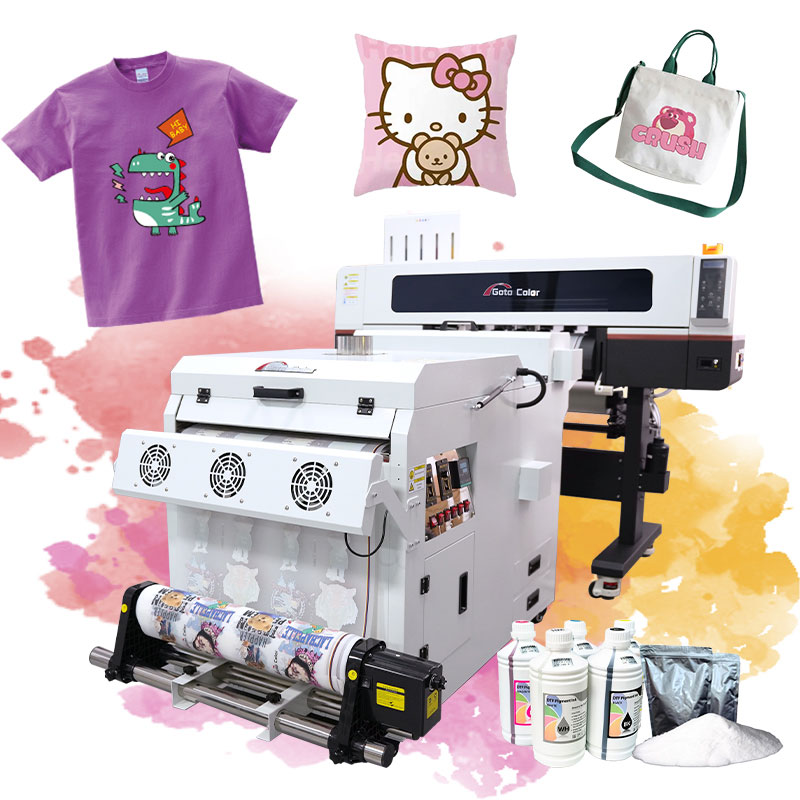
DTG/DTF Digital Printing: Offers vibrant colors and detailed images, suited for small batches and personalized garments, though equipment costs vary widely.
Choosing the right method depends on your budget, expected volume, and quality goals. If you want full control and consistent branding, investing in your own production tech makes sense long-term. If cash is tight or you’re testing the idea, POD minimizes upfront risk.
5. Build Your Online Presence
In 2026, most T-shirt brands live and breathe online. A professional e-commerce site is essential — whether you use an existing platform or build from scratch. Effective stores include clear product pages, high-quality mockups or photos, and seamless checkout experiences.
Social media is your marketing workhorse. Platforms like Instagram, TikTok, and Pinterest help you showcase designs and connect with communities that resonate with your style. Organic engagement plus strategic ads can drive discovery without massive budgets.
Many successful sellers also use email newsletters, collaborations with influencers, and seasonal campaigns to grow their audience and boost repeat sales.
6. Plan Your Costs and Pricing
Understanding your cash flow is crucial. Startup costs vary widely — a basic heat press and vinyl cutter setup might only cost a few hundred dollars, while professional-grade digital printing equipment can reach tens of thousands. Inventory, blanks (the T-shirts themselves), software, and marketing budgets add to the total.
Set pricing that covers costs and leaves room for profit. A common rule of thumb for retail is to aim for gross margins of 50–75 %, adjusting based on quality and perceived value. Some brands successfully use value-based pricing, charging more for exclusive designs or strong brand identities.
7. Launch and Promote Your Brand
When you’re ready to launch, think of it as a moment in time — an event that deserves attention. A well-timed launch with teasers, giveaways, and pre-orders can create early momentum. Consistent messaging across channels — your website, social platforms, and any physical materials — strengthens recognition.
Don’t expect overnight success; brands grow through repetition and authenticity. Studying other creators and adapting successful tactics to your voice can boost your trajectory.
8. Fulfill Orders and Manage Customer Experience
A big part of running a T-shirt business is logistics — from printing and packaging to shipping and customer care. Fast, reliable fulfillment builds trust and encourages repeat business. Track orders carefully and communicate transparently if delays happen. Customer service is often the difference between a one-time sale and a loyal fan.
A Real-World Reality Check
It’s worth acknowledging that T-shirt businesses face stiff competition, especially online. Market saturation means that success rarely comes from generic designs alone; it’s the story behind the shirt, the niche you serve, and the experience you create that matter most. Sales growth often accelerates when a brand taps into communities — gamers, local causes, subcultures, hobbyists — where emotional connection outweighs price alone.
Also, early businesses often underestimate marketing costs and customer acquisition expenses. Social media reach can be fickle; paid ads require testing and refinement. Tracking return on investment for every campaign helps keep your budget efficient.
Final Thought
Launching a T-shirt business can be deeply rewarding, but it’s more than just printing shirts and hoping people buy them. Smart preparation — from market research and business planning to cost control and brand building — gives you a framework that mitigates risk and positions you for growth. If you treat this as a creative business with a strategy, rather than a side project without direction, your chances of carving out a sustainable niche rise dramatically.
-
-
AuthorPosts
- You must be logged in to reply to this topic.