
Home › Forums › Digital UV Printing Hub › How to Maximize Productivity by Selecting the Right T-Shirt Printing Machine
Tagged: T-Shirt Printing
- This topic has 1 reply, 1 voice, and was last updated 2 months ago by
Gotocolor.
-
AuthorPosts
-
21 January 2026 at 5:48 pm #856
Dowinsss
KeymasterHow to Maximize Productivity by Selecting the Right T-Shirt Printing Machine
Choosing the optimal T-shirt printing machine is no longer just a technical purchase decision — it’s a strategic business choice that determines workflow efficiency, product quality, and long-term profitability. As custom apparel printing evolves, so does the competitive landscape; understanding both industry trends and operational requirements is essential for owners, designers, and production managers alike.
Industry Shift: Why Printing Strategy Matters Today
From Mass Runs to Print-On-Demand Models
Traditional mass-production was once the backbone of apparel supply; identical graphic tees manufactured in bulk catered to large retail outlets. However, consumer preferences have shifted dramatically over the past decade. Younger buyers now favor uniquely customized garments and limited-edition prints over generic stock designs — a change driven by social media culture and e-commerce accessibility. This trend has accelerated the popularity of Print-On-Demand (POD) business models, which reduce inventory risk and deliver personalization at scale.
POD converts the printing model from forecasting large inventory to fulfilling individual orders quickly. This demands machines that can handle small runs with minimal setup time and flexible design capacities. A shop that once considered only industrial screen printing now needs to balance turnaround speed, customization, and cost efficiency.
Printing Methods: Digital Leads the Efficiency Wave
The technology used in T-shirt printing has matured, and each method delivers different benefits and trade-offs:
Screen Printing
Screen printing remains dominant for high-volume, single-style production because of its low per-unit cost and robust ink adhesion. However, each design color requires a separate screen setup, which increases prep time and labor for diverse or small orders.
Heat Transfer and Vinyl
Heat transfer systems (including vinyl and other transfer media) offer low initial investment and simple operation, making them useful for low-volume, variable design jobs. They provide fast turnaround for names, numbers, and simple graphics, but can limit artistic complexity and sometimes affect hand-feel.
Digital Printing (DTG, DTF, Sublimation)
Digital technologies like Direct-to-Garment (DTG), Direct-to-Film (DTF), and sublimation printing are reshaping the industry landscape. These systems are designed for speed, design flexibility, full-color reproduction, and minimal setup — aligning tightly with POD and custom order expectations.
-
DTG excels in detailed or photorealistic prints on primarily cotton fabrics. However, it often requires pre-treatment and still has cost and maintenance overheads.
-
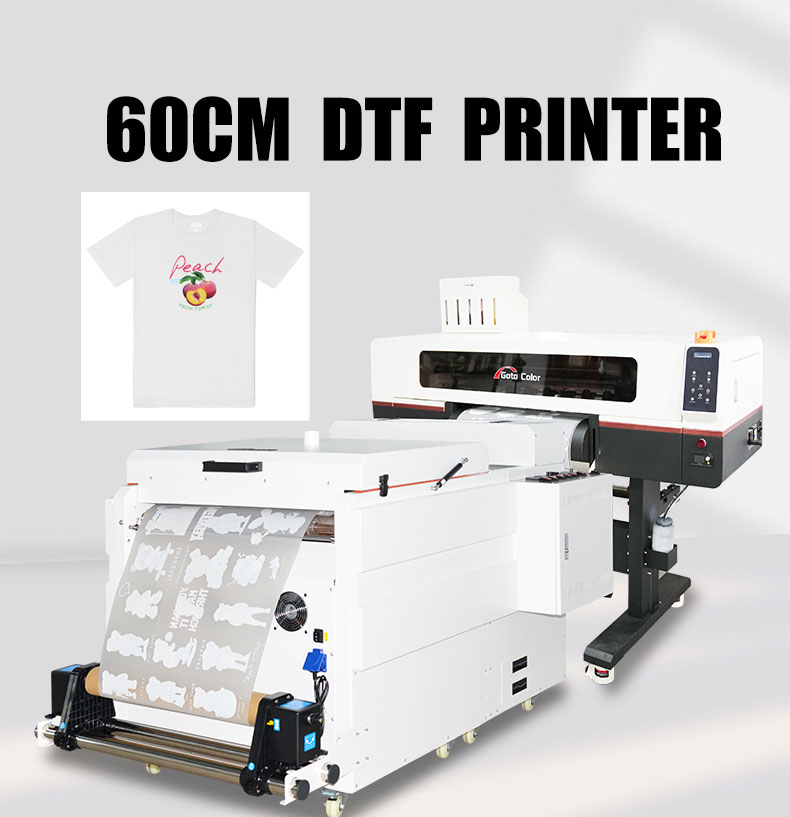
DTF provides versatility across fabric types with vibrant colors and strong wash durability, making it popular for small runs and mixed materials.
-
Sublimation achieves permanent, fade-resistant images on polyester products, but is limited on natural fibers.
Each technology has a place; the key is aligning machine choice with your business model, customer expectations, and garment materials.
Critical Factors in Choosing Your Printing Equipment
Selecting the right machine goes beyond prices and specifications — it directly affects throughput and competitive positioning:
Production Volume and Turnaround Goals
Evaluate your typical order sizes and seasonal demand patterns. High-capacity machines with faster prints per hour fit bulk or event-season peaks, while smaller format digital equipment delivers responsiveness for bespoke orders. Business owners targeting rapid fulfillment (e.g., 1-3 days) should prioritize technologies with short changeover times and minimal manual setup.
Cost of Ownership
Upfront machine cost is only part of the investment. Consumables, maintenance, software licenses, and operator training can collectively influence total operating costs. Data from industry analyses suggest that higher-quality equipment with reliable support networks often outperforms cheaper units by minimizing downtime and repair-related expenses over the machine’s lifespan.
Fabric Compatibility
Different fabrics behave differently under heat and ink deposition. For example, cotton blends may yield sharp detail with DTG, while polyester favors sublimation; DTF adds flexibility by working effectively across multiple fiber types. Choose equipment that aligns with the material profile of your core product line.
Quality and Durability
Print quality is often the decisive factor in customer satisfaction. High-precision printing ensures crisp graphics, accurate colors, and wash durability — critical for repeat business and brand reputation. Consistent print quality also contributes to better online previews and reduced returns due to mismatched expectations.
Operational Considerations for Efficiency
Beyond machine choice, workflow readiness impacts production output:
Facility Requirements
Industrial solutions may require proper ventilation, electrical infrastructure, and stable humidity control — particularly with moisture-sensitive digital printers. Inadequate setup can degrade print quality and increase failure rates.
Scalability and Adaptability
Machine configurations that support modular expansion allow businesses to adapt to growth and market shifts — a crucial advantage in seasonal or event-driven markets. Scalability reduces future capital expenditures and keeps operations nimble with fluctuating demand.
Final Perspective: Match Machine to Strategy
In 2026, efficient custom T-shirt printing is not just about output — it’s about aligning business strategy with technology capabilities. An efficient printing machine should enable rapid turnaround, high print quality, and operational scalability while fitting your financial plan and production footprint.
Instead of chasing the latest innovation blindly, performance should be evaluated based on your specific use cases — whether that’s POD, bulk orders, or complex multi-color artwork. A thoughtful match between machine technology and business objectives is the cornerstone of sustainable growth in custom apparel printing.
21 January 2026 at 6:18 pm #859Gotocolor
ParticipantFrom a passerby’s perspective, the changes in the custom T-shirt printing industry are easy to notice. Personalized graphics appear everywhere now—on the street, across social media, and throughout online stores. What used to be generic, mass-produced apparel has shifted toward designs that express individual taste or identity. This shift is less about people suddenly becoming designers and more about printing technology making customization accessible to almost anyone.
Looking at it as a consumer, the biggest difference is speed and flexibility. Small orders are no longer a problem, delivery times are shorter, and designs change faster than before. Even niche ideas or short-term events can be turned into finished garments quickly. From the outside, this feels like real progress driven by technology rather than marketing hype.
At the same time, an objective observer can also see the downside. Owning advanced equipment does not automatically mean better results. Some businesses invest heavily in new machines but still struggle with inconsistent quality, while others operate with modest setups yet deliver reliable products because their workflow and positioning are clear. This highlights an important reality: technology is only a tool, not a guarantee.
Overall, the industry seems to have entered a stage where success depends on more than hardware alone. The technical barrier is lower, but strategic thinking, process control, and understanding real customer needs matter more than ever. To outsiders, the market may look busy and full of opportunity; to those working within it, it is increasingly a test of judgment, discipline, and long-term vision.
-
-
AuthorPosts
- You must be logged in to reply to this topic.