
Home › Forums › DTF Printer Hub › How to Build a $1M Business with DTF (Direct-to-Film) Printing
Tagged: DTF Business, DTF Printing, DTF Transfers
- This topic is empty.
-
AuthorPosts
-
28 January 2026 at 6:12 pm #915
Dowinsss
KeymasterHow to Build a $1M Business with DTF (Direct-to-Film) Printing
In the fast-growing world of custom apparel and personalized products, Direct-to-Film (DTF) printing has emerged as one of the most lucrative and scalable technologies for ambitious entrepreneurs. More than just a printing method, DTF has become a gateway for creative businesses to enter profitable niches such as fashion, brand merchandise, and print-on-demand services.
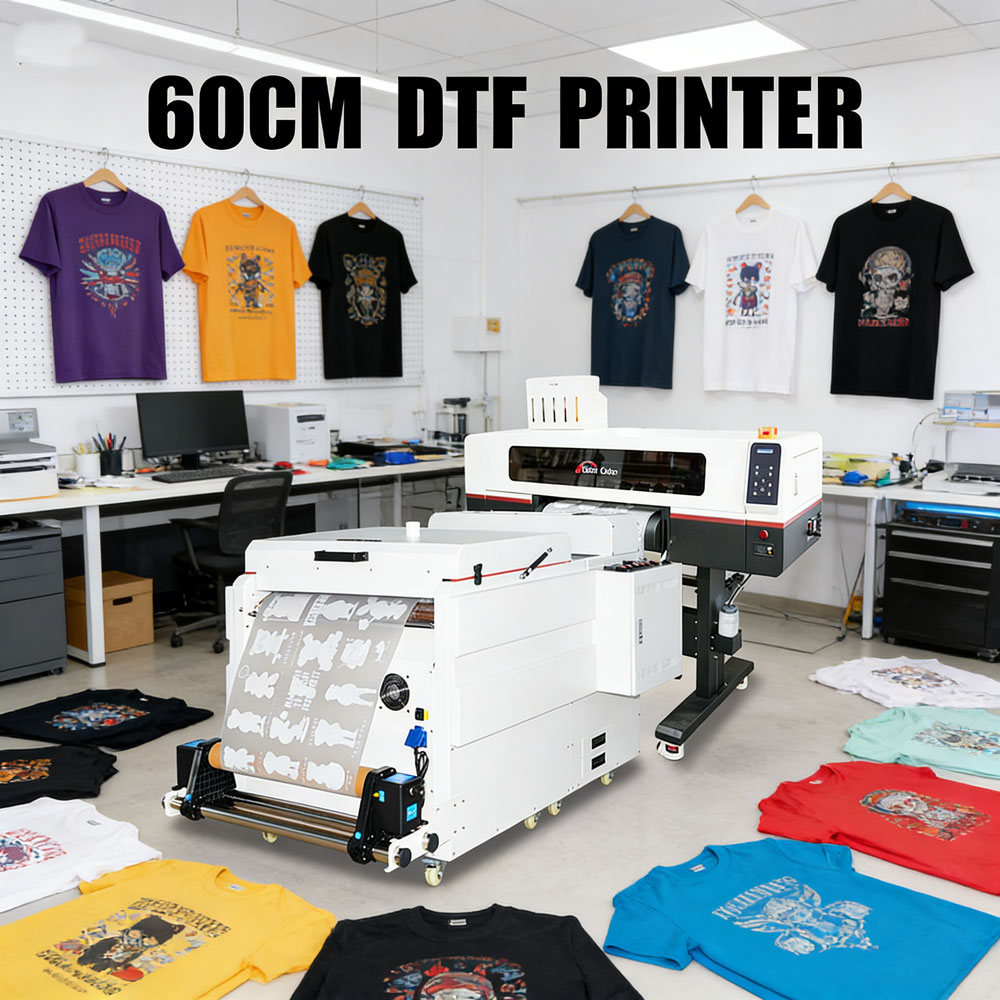
With the global e-commerce and fashion industries expanding rapidly — and consumers increasingly demanding personalized, high-quality products — DTF printing sits at the ideal intersection of low entry cost, high versatility, and strong profit potential.
1. Why DTF Printing Can Scale to $1M+ Revenue
Wide Market Demand
DTF printing works on virtually all fabrics — cotton, polyester, blends, and even specialty textiles — making it ideal for apparel, accessories, and more. Unlike print technologies that require fabric pretreatment, DTF simplifies production, supports vibrant colors, and delivers durable prints.
This broad applicability means businesses can serve:
-
Custom T-shirts and hoodies
-
Corporate and event merchandise
-
Fashion startups
-
Promotional products
-
E-commerce print-on-demand stores
This breadth of applications creates multiple revenue streams rather than reliance on a single niche.
2. Low Startup Costs and Fast Break-Even
Unlike traditional methods with high setup costs (e.g., screen printing with screens and presses), DTF printing requires relatively modest initial investment. Consumable costs per print are also low:
-
A3-size transfer (film + ink + adhesive) typically costs only a few dollars in materials.
-
Because transfers can be pre-printed and stored, this enables efficient batch fulfillment.
With streamlined workflows and minimal pretreatment, businesses can start producing sellable items quickly and scale without huge capital barriers.
3. Profit Margin Dynamics in DTF Printing
Profit margins in DTF printing are driven by two key elements:
Cost Efficiency
DTF significantly reduces per-print costs compared with legacy methods. No screens, no complex setups, and minimal labor are required.
Premium Pricing
Customized, small-batch apparel and unique prints can command higher prices than generic, mass-produced items. Personalized or branded products can easily be priced at multiples of their production cost.
For example, small custom apparel retailers often sell a DTF-printed shirt for three to six times the material cost — and often more when selling through retail or e-commerce channels.
Personal Insight:
Profit isn’t just made on the print — it’s made on the customer relationship and the value offered. Strong branding, customer experience, and niche positioning amplify profitability far beyond simple cost calculations.
4. Proven Path to Scale Revenue
Start With a Clear Business Model
Whether it’s B2B print services, DTC (direct-to-customer) e-commerce, or hybrid fulfillment models, having a defined revenue plan is critical. Common paths include:
-
Local fulfillment for small businesses
-
Online store for custom merchandise
-
Event and team apparel services
Build Incrementally
Begin with your core offerings and validate demand early. Once the process is stable and demand is consistent, expand product lines or enter complementary markets.
Offline + Online Marketing
Successful print businesses often combine:
-
Social media showcasing prints and behind-the-scenes production
-
Partnerships with local boutiques or event planners
-
Online marketplaces and ads targeting niche segments
Operational Efficiency
Tight control over:
-
Inventory and consumables
-
Production workflows
-
Quality control
These operational levers directly impact profit margins.
5. Common Challenges and Solutions
Challenge: Crafting the Right Pricing
Underpricing may win early customers but destroy long-term sustainability. Instead, build pricing that reflects quality, labor, and brand positioning.
Challenge: Producing Consistent Quality
DTF printing requires calibration and workflow discipline. Establish strong SOPs, test prints on every main fabric type, and maintain good inventory management — these differentiate top-performing operations.
Challenge: Standing Out in a Crowded Market
Brand, niche focus, and customer experience matter. Simply offering the lowest price rarely leads to consistent demand or high lifetime customer value.
6. Scalability Beyond the First Year
Once basics are in place, scaling can happen through:
-
Expanded marketing channels
-
New product segments (e.g., home decor textiles, accessories)
-
Partnerships with wholesale buyers or retailers
-
Multi-location or franchise models
Market data forecasts strong growth in personalized custom products — especially as on-demand and e-commerce segments accelerate.
7. Personal Perspective: What Separates Winners
From my perspective, the businesses that cross $1M+ revenue don’t just adopt DTF printing — they adopt a business mindset:
-
They treat sales, fulfillment, and branding with equal importance.
-
They optimize workflows systematically rather than reactively.
-
They price based on value rather than raw cost.
This business discipline is often overlooked by hobbyists but naturally adopted by those who evolve DTF printing into a true commercial enterprise.
FAQ: Growing a DTF Printing Business
Q1: Is DTF printing profitable?
Yes — with efficient workflow, targeted pricing, and solid demand, profit margins on custom apparel can be significant.Q2: What makes DTF printing better than traditional printing?
DTF doesn’t require screens or pretreatment, works on many fabrics, and supports vibrant, durable prints.Q3: How fast can a DTF business break even?
Many small operations recoup initial equipment costs within months if demand and pricing are strong and waste is controlled.Q4: Do I need a large machine to start?
No — many revenue-generating operations start with desktop or mid-range printers before investing in larger machines.Q5: What drives long-term growth in this industry?
Brand positioning, niche specialization, quality control, and diversified revenue channels are key. -
-
AuthorPosts
- You must be logged in to reply to this topic.