
Home › Forums › DTF Printer Hub › How DTF Printing Is Quietly Transforming the T-Shirt Industry
Tagged: T-Shirt Business, T-Shirt Printing
- This topic is empty.
-
AuthorPosts
-
27 January 2026 at 2:41 pm #899
Dowinsss
KeymasterHow DTF Printing Is Quietly Transforming the T-Shirt Industry
In the garment decoration world, one technology is emerging as a quiet game-changer: Direct-to-Film (DTF) printing. Over the past few years, DTF has grown from a niche curiosity to a mainstream option that is reshaping how apparel is customized — particularly for small brands, on-demand services, and apparel startups. Searches and professional adoption of DTF indicate sustained interest and rapid technology diffusion within textile printing communities.
What DTF Printing Actually Is
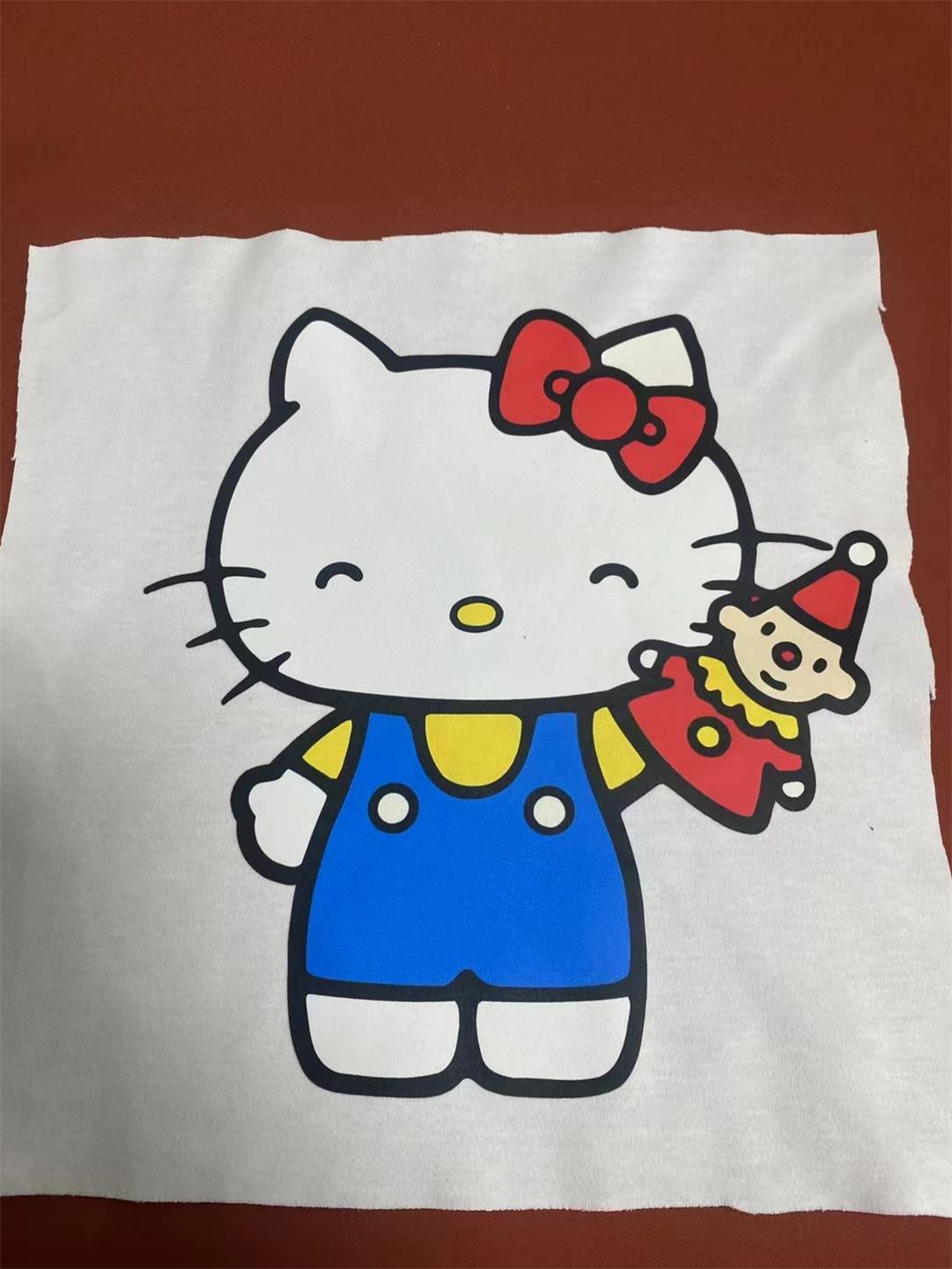
DTF printing is a digital process in which a design is first printed onto a special transfer film. After printing, an adhesive powder is applied and melted into the ink layer to create a transferable patch. Finally, this patch is heat-pressed onto textiles or other substrates.
Unlike traditional screen printing, which requires setup of screens for each color, or direct-to-garment (DTG) printing, which prints directly onto fabric (often requiring pretreatment and cotton-dominant materials), DTF works as an intermediary “transfer” step that offers distinct workflow, cost, and material advantages.
Why DTF Is Gaining Momentum in Apparel
1. Unmatched Material Flexibility
DTF works across a wide spectrum of materials — from cotton and polyester to blends like nylon and denim — without the need to change printing technology between jobs. This contrasts with traditional DTG, which performs best on cotton-rich fabrics.
As a result, apparel shops can diversify product offerings — from t-shirts and hoodies to bags, hats, and specialty items — using a single production line.
2. Elimination of Pretreatment and Simplified Production
One of the biggest cost and time drivers in DTG printing is the garment pretreatment step, necessary especially for dark fabrics. DTF completely removes this step. The printed film already contains the adhesive layer, so the garment itself doesn’t need separate pretreatment or drying before transfer. This reduces labor, production time, and overall complexity.
3. Vibrant, High-Resolution and Durable Output
DTF produces prints with vibrant color saturation and fine detail that holds up through repeated washes. The interplay of CMYK inks and white base layers printed on film delivers consistent opacity and brightness across both light and dark fabrics.
Industry testing shows that DTF prints can retain around 95% of their original opacity even after dozens of wash cycles, outperforming certain conventional techniques in color retention on dark garments.
4. Cost Efficiency for Small and Medium Runs
Traditional screen printing only becomes economical at high volumes due to setup costs for screens and inks. DTF eliminates screens and significant setup overhead, enabling profitable small-batch production and one-off custom designs.
Additionally, the ability to preprint and store films means apparel businesses can respond to custom orders more rapidly without overstocking blank garments.
5. Rapid Turnaround and On-Demand Capability
Today’s customer expectations demand fast fulfillment; many apparel producers report that DTF workflows significantly cut lead times. A DTF shop can move from design to finished print within hours rather than days, enabling fast-moving e-commerce fulfilment and print-on-demand services — a huge advantage in the age of rapid fashion, social media-driven trends, and micro-brand launches.
Limitations and Real-World Challenges
Despite its strengths, DTF is not a universal replacement for all garment decoration technologies.
Hand Feel and Texture: Because a DTF design is bonded to the fabric rather than diffused into it, the finished item can have a slightly raised or “transfer-patch” feel — especially noticeable on large prints or thinner garments. This is not inherently negative, but designers prioritizing a soft, integrated textile feel (common with premium DTG prints) may find this limiting.
Durability Variability Across Applications: Some users report that DTF prints can crack or show wear more quickly under certain conditions or with heavy washing, especially if the workflow isn’t calibrated correctly. While many shops achieve excellent longevity, quality control — particularly in heat-pressing and curing stages — is crucial.
DTF in the Broader Textile Printing Ecosystem
DTF doesn’t exist in isolation — it now coexists with DTG, screen printing, heat transfer vinyl, and sublimation as part of a full printing toolkit. Each method has its niche:
-
Screen printing remains economic and high-quality for large batches with limited colors.
-
DTG excels in ultra-detailed photographic printing on cotton fabrics.
-
DTF shines in flexibility, speed, and small-batch or mixed-material production.
The best strategy for many businesses is hybrid: use DTF where it fits best (small runs, diverse materials) and other methods where they have comparative advantages.
Industry Trends and the Future of DTF
Innovation continues in adhesive technology, automation, and software integration. Emerging trends include:
-
AI-driven color management and workflow optimization, reducing waste and manual intervention.
-
Hybrid printing processes combining high-speed film printing and advanced curing to expand creative effects.
-
Sustainable materials and energy-efficient systems, aligning with industry-wide emphasis on environmental responsibility.
Furthermore, as print-on-demand and e-commerce continue their rapid growth — forecast to expand more than 200% in personalized apparel segments — DTF’s low barrier to entry and minimal setup make it particularly attractive to new entrants and small brands.
Personal Insight
From a strategic standpoint, DTF is less about replacing existing technologies and more about democratizing apparel printing. It lowers financial and technical barriers, enabling startups and independent creators to compete with larger operators. For many small brands, this transition is more transformational than any single printing technique has been in the past decade.
However, established textile printers should view DTF as one tool in a broader toolkit, deploying it where it offers the best combination of cost, speed, and quality — while continuing to use other methods where they outperform in large batch cost or hand feel.
Conclusion
DTF printing is transforming the t-shirt and apparel printing landscape by delivering a rare combination of flexibility, rapid production, and cost-efficiency. Its rising adoption reflects broader industry shifts toward customization, on-demand manufacturing, and small batch economics. While not a silver bullet, DTF represents a major evolutionary step in how garments are decorated and brought to market across diverse business models.
-
-
AuthorPosts
- You must be logged in to reply to this topic.