
Home › Forums › Digital UV Printing Hub › Fabric Laser Cutting Machines
Tagged: Fabric Laser Cutting Machine
- This topic is empty.
-
AuthorPosts
-
16 January 2026 at 7:22 pm #828
Dowinsss
KeymasterFabric Laser Cutting Machines — Technology, Industry Trends, and Practical Value
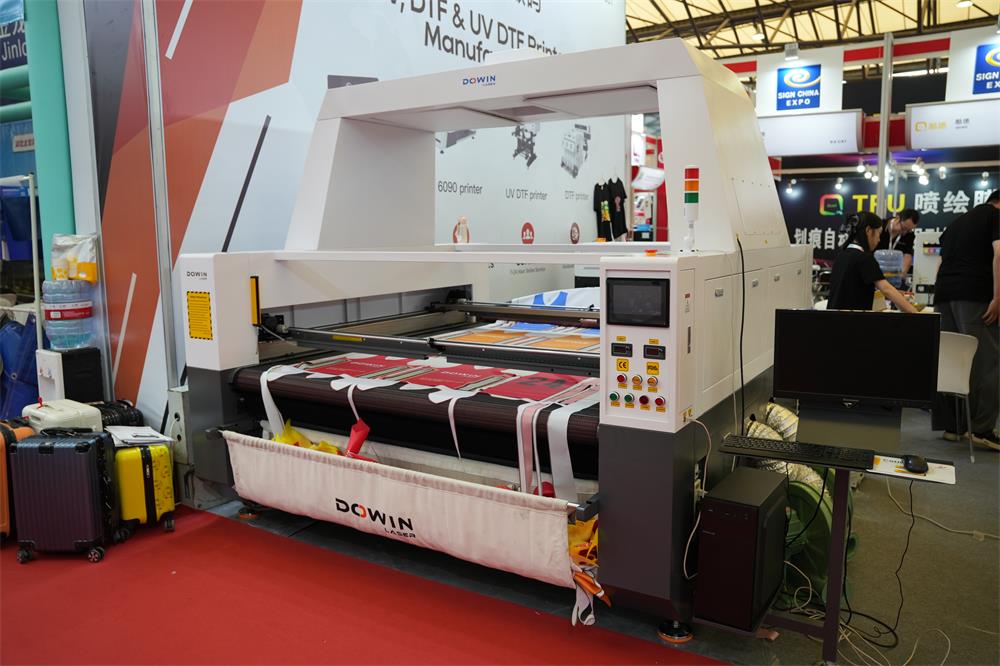
Fabric laser cutting machines have revolutionized how textiles are processed, shifting production from slow, manual, and tool-dependent methods to precise, automated, and highly efficient digital workflows. This technology plays a critical role in modern apparel, technical textile, upholstery, and product manufacturing by enabling intricate, repeatable, and clean cuts across a wide range of materials.
Get Price on Whatsapp
What Is a Fabric Laser Cutting Machine and How It Works
At its essence, a fabric laser cutting machine uses focused laser energy directed by computerized motion systems to vaporize or melt textile materials along programmed paths. The process begins with a digital design file that is translated into motion commands for the machine’s cutting head. As the laser traverses the fabric surface, it produces cuts with clean edges and minimal distortion because there is no physical blade exerting pressure on the material.
Key technical elements include:
-
Laser source: Provides a high-energy beam capable of cutting or engraving textiles.
-
Optical focusing system: Ensures a finely controlled spot size for precision.
-
Motion control mechanics: Guides the laser head along X/Y axes with repeatable accuracy.
-
Software integration: Converts digital patterns and nesting layouts into cutting execution instructions.
Unlike traditional mechanical cutters that blunt or pull at fibers, laser systems operate completely contact-free, preserving fabric integrity and preventing stretching or warping.
Advantages Over Traditional Fabric Cutting Methods
Precision and Edge Quality
Laser cutting delivers exceptional accuracy, commonly achieving tolerances within fractions of a millimeter. This precision enables complex shapes, micro-perforations, lace-like patterns, and other detailed designs unattainable with hand tools or die cutting.
Another vital benefit is edge finishing: high heat at the cut line can seal synthetic fibres such as polyester and nylon, reducing fraying without additional finishing processes.
Speed and Efficiency
Automated laser cutters can outpace manual or conventional die-cutting setups, processing both simple and complex patterns at high speed. Integrated nesting algorithms improve material utilization by arranging parts optimally, significantly reducing fabric waste.
This efficiency supports fast production cycles — a key competitive requirement as fashion brands and textile manufacturers respond to seasonal trends and on-demand order patterns.
Versatility Across Materials
Laser systems handle a broad spectrum of fabrics:
-
Natural fibres such as cotton, linen, and silk
-
Synthetic and technical textiles including polyester, nylon, and performance materials
-
Heavy or dense materials like denim, canvas, leather, and composites
The adaptability to diverse substrates, from delicate silk to robust technical textiles, enables manufacturers to standardize on a single cutting platform.
Reduced Waste and Environmental Impact
The digital, no-blade workflow significantly reduces waste compared to manual cutting, where kerf widths and misalignment can eliminate yield. Intelligent nesting and narrow laser kerfs minimize scrap, aligning textile production with sustainability practices that are increasingly demanded by consumers and regulators.
Laser cutting also avoids hazardous chemicals or lubricants associated with some traditional processes, supporting cleaner manufacturing environments.
Industry Trends and Market Context
The global fabric laser cutting machine market is experiencing strong growth, driven by demand for automation, design flexibility, and sustainability. Recent estimates place the market value around USD 1.2 billion in 2023, with a projected annual growth rate of 8–10% through 2030. Key drivers include fast fashion, customization demands, and the push for lean, automated manufacturing lines.
Several macro trends underpin adoption:
-
Automation and Industry 4.0 integration: AI-assisted parameter optimization and predictive maintenance improve uptime and reduce setup times in high-volume production.
-
Connectivity and data-driven workflows: Integration with enterprise systems allows real-time production tracking and quality assurance, important for global supply chains.
-
Circular and sustainable textile manufacturing: Precision cutting reduces waste and energy use, aligning with circular economy goals.
Emerging textile exporters in Asia and Africa are also accelerating technology adoption to remain competitive, further expanding demand for laser cutting solutions.
Challenges and Practical Considerations
Despite the clear benefits, there are operational factors manufacturers must consider:
-
High initial investment: Industrial laser systems can be capital-intensive compared to basic mechanical cutters, requiring careful ROI planning.
-
Operator expertise: Effective use demands training in both laser parameter tuning and digital design workflows.
-
Suitability for sensitive materials: Some heat-sensitive fabrics and multi-layer composites may require fine parameter adjustments to avoid scorching.
These considerations are typical of advanced digital manufacturing technologies: while they raise barriers to entry, they also unlock productivity and quality gains that traditional methods cannot match.
Personal Perspective: Strategically Essential Technology
From a production engineering and commercial strategy perspective, fabric laser cutting machines are more than incremental improvements — they are enabling technologies that elevate textile manufacturing into the digital era. Their combination of speed, precision, and flexibility supports lean operations and rapid response to market trends. For manufacturers focused on customization, sustainability, and global competitiveness, investing in laser cutting technology is increasingly becoming a necessity, not just a differentiator.
Conclusion
Fabric laser cutting machines have transformed textile processing by replacing manual and blade-based methods with high-precision, automated digital cutting. Their advantages — including intricate design capabilities, reduced waste, enhanced material versatility, and faster production — align with the demands of modern fashion, technical textiles, and custom manufacturing. As adoption grows globally and technology evolves, these systems are poised to become central to efficient, sustainable textile production in the coming decade.
-
-
AuthorPosts
- You must be logged in to reply to this topic.