
Home › Forums › DTF Printer Hub › DTF Printing for Apparel: From T-Shirts to Hats Made Easy
- This topic is empty.
-
AuthorPosts
-
17 March 2026 at 5:42 pm #997
Dowinsss
KeymasterThe custom apparel industry is undergoing a structural shift. With the rise of e-commerce, micro-brands, and on-demand production, businesses are no longer chasing mass production—they are chasing flexibility, speed, and personalization. In this context, Direct-to-Film (DTF) printing has emerged as one of the most disruptive technologies in garment decoration.
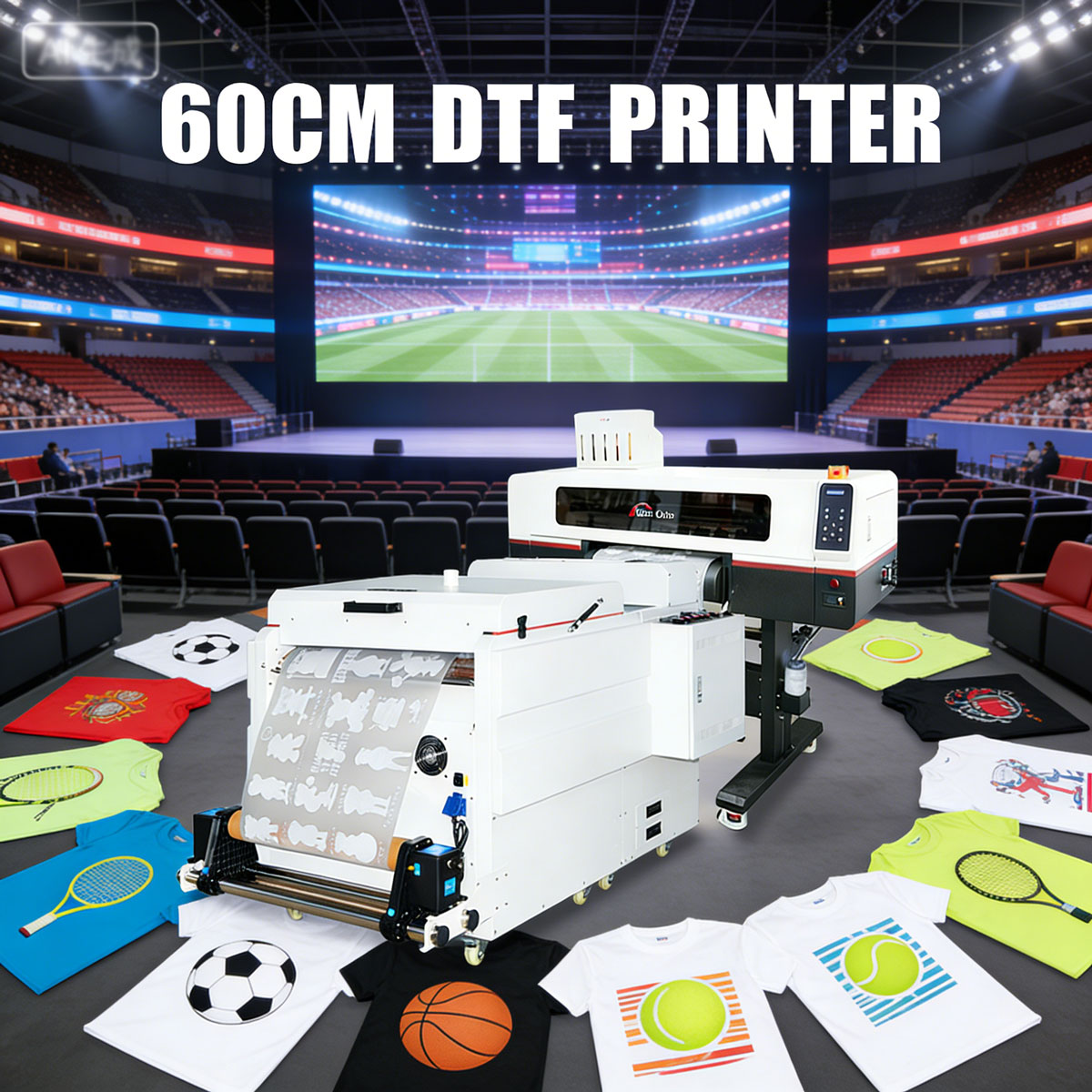
Unlike traditional methods, DTF enables full-color, high-detail printing across a wide range of products—from T-shirts and shirts to hats and accessories—without the complexity of screen setups or fabric limitations.
Why DTF Is Reshaping Custom Apparel
The global custom apparel market is increasingly driven by short runs, fast turnaround, and design diversity. Traditional printing methods struggle in this environment:
-
screen printing requires setup for each color
-
heat transfer vinyl is labor-intensive
-
direct-to-garment works best only on specific fabrics
DTF breaks these limitations by introducing a film-based transfer system. Designs are printed onto a special film, coated with adhesive powder, and then transferred onto garments using heat.
The result is a process that supports:
-
full-color graphics in a single pass
-
compatibility with cotton, polyester, blends, and more
-
minimal setup time for small or large orders
This flexibility is why DTF adoption has surged since 2020, especially among startups and small production studios.
One Technology, Multiple Products
One of the strongest advantages of DTF printing is its multi-product capability. Unlike older systems that are limited to flat surfaces or specific fabrics, DTF can be applied to a wide range of apparel and textile goods.
Typical applications include:
-
T-shirts and fashion apparel
-
hats and caps
-
hoodies and sportswear
-
bags, shoes, and accessories
This versatility allows businesses to expand product lines without investing in multiple specialized machines.
The Real Workflow Behind Custom Printing
DTF printing may appear simple on the surface, but it is actually a multi-stage production system. A typical workflow includes:
1. Digital Design Preparation
Designs are created and processed through RIP software to control color output and white ink layering.
2. Printing on Transfer Film
The printer deposits ink onto PET film with high precision, ensuring sharp detail and accurate color reproduction.
3. Powder Application and Curing
Adhesive powder is applied to the wet print and then heated to form a transferable layer.
4. Heat Transfer
The design is pressed onto the garment using controlled heat and pressure, bonding the image to the fabric.
5. Peeling and Finishing
The film is removed, revealing a durable, flexible print ready for use or sale.
Each step plays a critical role. Weakness in any stage—especially powdering or heat pressing—can result in poor durability or inconsistent quality.
Printing on Hats vs T-Shirts: What Really Changes
While DTF is often associated with T-shirts, applying it to hats introduces new challenges that many beginners overlook.
Flat vs Curved Surfaces
-
T-shirts offer a flat, stable surface, making heat transfer straightforward.
-
Hats require specialized heat press attachments to accommodate curved panels and maintain even pressure.
Precision Requirements
Small designs on hats demand higher precision. Slight misalignment or uneven pressure can distort the image or reduce adhesion quality.
Production Efficiency
In bulk production, flat garments like T-shirts are significantly faster to process. Hats require more careful handling, which can slow down throughput.
This difference highlights a broader truth: DTF is universal, but not uniform—each product category requires its own optimization strategy.
Performance Factors That Define Print Quality
Not all DTF outputs are equal. High-quality results depend on a combination of technical and operational factors:
-
stable ink delivery and printhead performance
-
even powder distribution
-
accurate curing temperature (typically around 120–150°C)
-
correct heat press settings (often 150–180°C for transfer)
When properly controlled, DTF prints offer:
-
strong adhesion
-
resistance to cracking and peeling
-
long-term wash durability
A New Industry Reality: From Printing to Product Creation
DTF technology is often marketed as a printing solution. In reality, it is better understood as a product creation platform.
A discussion from industry practitioners highlights this shift:
“Customers do not want transfers—they want finished products.”
This reflects a growing trend: successful businesses are not just printing designs—they are delivering ready-to-sell apparel.
DTF enables this transition by simplifying production and allowing businesses to:
-
test designs quickly
-
produce small batches without waste
-
scale production when demand increases
In other words, DTF lowers the barrier between idea and product.
Rethinking the Value of DTF Technology
Most discussions about DTF focus on cost, speed, or ease of use. But the deeper impact lies elsewhere.
DTF fundamentally changes how apparel businesses operate:
-
it reduces dependency on large inventory
-
it enables real-time customization
-
it supports niche markets and micro-brands
Instead of producing thousands of identical garments, businesses can now produce hundreds of unique designs on demand.
This is not just a technical upgrade—it is a shift toward decentralized, demand-driven manufacturing.
Conclusion
DTF printing has redefined what is possible in custom apparel production. By combining digital precision with material flexibility, it enables businesses to print on T-shirts, hats, and a wide range of textile products with minimal setup and maximum creativity.
But its true value lies beyond printing. DTF is not just a tool—it is an enabler of a new business model where customization, speed, and adaptability take priority over scale alone.
In the future of apparel, the winners will not be those who print the most—but those who can turn ideas into products the fastest.
-
-
AuthorPosts
- You must be logged in to reply to this topic.