
Home › Forums › Digital UV Printing Hub › Business Opportunities in DTF Printing: A Strategic Guide for Textile Entrepreneurs
Tagged: DTF Printing, DTF Transfers
- This topic is empty.
-
AuthorPosts
-
16 January 2026 at 5:41 pm #822
Dowinsss
KeymasterBusiness Opportunities in DTF Printing: A Strategic Guide for Textile Entrepreneurs
Direct-to-Film (DTF) printing has rapidly evolved from a niche digital printing technique into a powerful engine for textile and merchandise businesses. Its flexibility, low entry barriers, and alignment with consumer demand for customization make it one of the most attractive opportunities in garment decoration and promotional product markets.
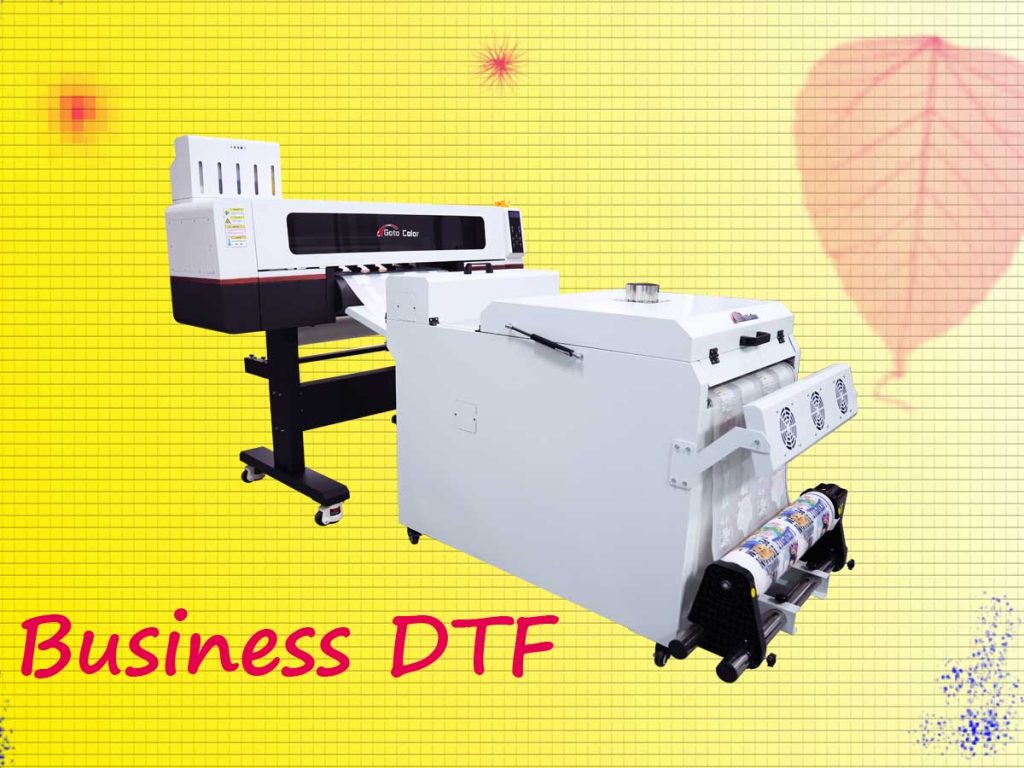
Why DTF Printing Matters for Entrepreneurs
1. High Demand for Custom Products
DTF printing enables vibrant, durable designs on a wide range of fabrics, including cotton, polyester, nylon, and blends. This broad material compatibility allows businesses to serve a diverse customer base — from fashion brands to local event organizers. The growing consumer preference for personalized apparel and unique merchandise continues to drive demand, especially in e-commerce and local retail markets.
As the global digital textile printing market is projected to grow significantly over the next few years, DTF is positioned as a key growth segment because it combines efficiency with quality.
2. Low Entry Barriers and Cost-Effective Production
One of the most compelling reasons to consider a DTF business is its relatively affordable startup cost compared to traditional screen printing or other industrial printing methods. The digital workflow eliminates the need for screens, plates, or molds, reducing setup time and material waste.
DTF’s efficiency also supports on-demand production — meaning entrepreneurs can fulfill orders only when they are placed. This minimizes inventory risk, which is crucial in a market where fashion trends and consumer preferences shift quickly.
3. Fast Turnaround and Operational Flexibility
DTF printing provides rapid production turnaround times, which is especially advantageous for businesses responding to last-minute requests or peak-season demand. Quick turnaround not only improves customer satisfaction but also enhances the ability to manage high-volume orders without compromising quality or delivery speed.
This responsiveness allows companies to compete in markets traditionally dominated by larger operators, particularly in small batch or custom runs.
Profitable Business Models Enabled by DTF
Custom Apparel and Merchandise
The most immediate business opportunity lies in personalized clothing items — such as T-shirts, hoodies, outerwear, and team jerseys. These products remain a staple of businesses ranging from local sports clubs to corporate promotional campaigns.
Effective strategies include:
-
Targeting niche communities (e.g., local sports teams, school events, fandom groups)
-
Offering themed collections that align with holidays, seasons, or cultural trends
-
Bundling apparel with other customizable products such as tote bags or caps to increase average order value
These approaches capitalize on both permanent demand and the growing trend toward customization.
Print-on-Demand E-Commerce
DTF printing aligns seamlessly with print-on-demand (POD) business models. By connecting DTF production with e-commerce platforms, entrepreneurs can launch online stores that offer a wide range of customizable products without maintaining large inventories.
This model also enables micro-brands to experiment with designs and test market preferences before scaling production — reducing financial risk and enhancing agility.
Corporate and Promotional Products
Brands, organizations, and events consistently require customized merchandise for marketing, employee uniforms, and giveaways. DTF printing’s ability to produce small to medium runs with high quality makes it ideal for fulfilling promotional contracts with fast turnaround and minimal setup costs.
This segment often yields higher profit margins because customers are willing to pay a premium for personalized and branded items.
Trends Shaping the DTF Printing Industry
Growth Across Emerging Markets
As printing technology becomes more affordable and accessible, adoption is expanding in regions such as Asia, Africa, and South America. This broadening market base is driven by decreasing equipment costs and increasing demand for customized apparel.
Integration With Automation and Smart Tools
Future DTF systems are incorporating advanced features such as automation, AI-assisted color management, and cloud-connected workflow tools. These innovations streamline production, reduce errors, and support remote order management — all of which enhance profitability and operational efficiency.
Eco-Conscious Consumer Trends
Environmental sustainability is influencing consumer choices. DTF printers’ compatibility with water-based inks and energy-efficient processes positions businesses to appeal to eco-conscious buyers. Using recyclable or biodegradable films further supports environmental strategies and brand positioning.
Hybrid Printing and Expanded Materials
While textiles remain the core application, advancements in DTF material compatibility are enabling prints on non-traditional substrates such as leather, wood, and even glass — broadening potential product offerings. Hybrid workflows that combine DTF with other printing technologies also allow businesses to diversify their capabilities and meet varied customer needs.
Practical Considerations and Challenges
While the business potential is strong, success in the DTF printing market requires attention to several operational factors:
-
Quality Control: Consistent color accuracy and print durability depend on proper calibration, consumables management, and workflow precision.
-
Maintenance and Training: Printers and related equipment require regular maintenance, and staff training is essential to minimize downtime and errors.
-
Market Positioning: Differentiating offerings with unique design aesthetics, faster delivery, or niche specialization improves competitiveness against low-cost mass production providers.
Failure to plan for these variables can erode margins and undermine customer trust.
Personal Insight
From a commercial standpoint, DTF printing represents a strategic intersection of customization, efficiency, and digital retail integration. Entrepreneurs willing to invest in process optimization, design quality, and targeted marketing will find this space both profitable and future-proof. Rather than chasing volume alone, focusing on brand differentiation and customer experience can unlock sustainable revenue streams that far outweigh short-term price competition.
Conclusion
DTF printing offers substantial business opportunities for textile entrepreneurs by combining versatility, affordability, and market adaptability. From custom apparel and POD e-commerce to corporate merchandise and emerging material applications, the technology supports a wide spectrum of business models. As digital printing trends accelerate and consumers increasingly demand personalization and sustainability, DTF remains a compelling avenue for entrepreneurs aiming to build profitable, scalable printing ventures.
-
-
AuthorPosts
- You must be logged in to reply to this topic.