
Home › Forums › Digital UV Printing Hub › A Strategic Guide to Choosing Your First DTF Printer (2026)
Tagged: DTF Printer, DTF Printing, DTF Transfers
- This topic is empty.
-
AuthorPosts
-
20 January 2026 at 7:32 pm #852
Dowinsss
KeymasterA Strategic Guide to Choosing Your First DTF Printer (2026)
Direct-to-Film (DTF) printing is rapidly becoming one of the most accessible ways for newcomers to enter custom apparel production. With relatively low barriers to entry compared with traditional screen printing or industrial direct-to-garment (DTG) systems, DTF offers strong color saturation, excellent white underbase support for dark fabrics, and the flexibility to print on a wide range of materials. As of 2026, market analytics show sustained growth in small-format DTF adoption, particularly among startups, boutique shops, and home-based entrepreneurs.
Selecting the “best” DTF printer for beginners is not a one-size-fits-all decision. It depends on budget, production goals, space constraints, and the types of garments you plan to serve. The following guide helps you evaluate your options and make an informed, long-term choice.
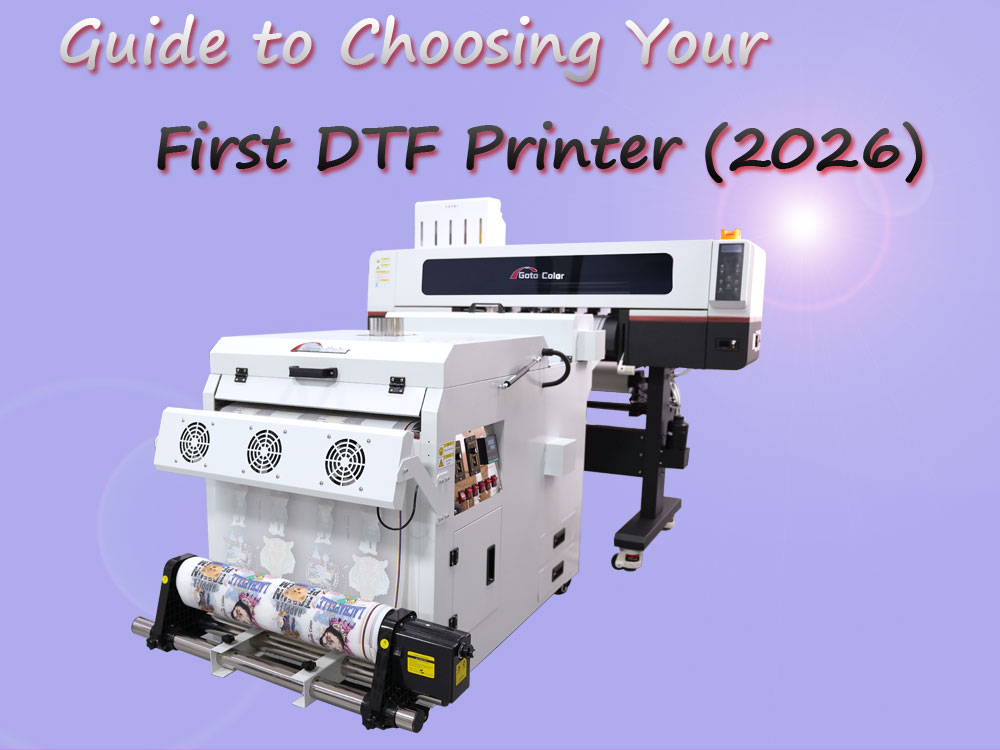
Key Factors to Consider Before You Buy
1. Print Size and Workspace Fit
DTF printers range from small A4/A3 desktop units to 24-inch roll-fed systems. For many beginners, compact formats are ideal because they maximize desk space efficiency while still producing vibrant transfers for T-shirts, tote bags, and small apparel runs. Larger printers expand creative scope but increase upfront and operational costs.
2. Ease of Use and Support Ecosystem
Beginners benefit most from models that include user-friendly software and robust community or vendor support. Ease of maintenance — particularly white ink circulation and printhead cleaning workflows — greatly influences productivity and long-term satisfaction. Ignoring this can lead to frequent clogging and performance issues.
3. Ink System Stability
White ink systems are essential for transfer opacity on dark fabrics, but they are also the most failure-prone part of a DTF setup. Printers with effective white ink circulation and easy maintenance will save many hours of downtime for a new operator. Prioritize reliable ink delivery and rapid access to consumables.
4. Cost of Ownership
Initial printer cost is only part of the investment. Consumables like film, TPU powder, RIP software, and white ink can significantly affect operating expenses. Many beginner shops discover that a slightly higher-priced machine with strong reliability ultimately costs less per printed piece than a cheap model that demands constant repair.
Recommended Starter Printers (2026)
Here are representative options suitable for a beginner’s entry into DTF printing. These choices emphasize balance between price, ease of use, and quality output.
Suggested Beginner Printers
-
Punehod A3 L1800 DTF Printer — Great value-oriented A3 format unit that balances footprint and usability, ideal for first-time buyers or small studios.
-
Punehod All‑in‑One DTF Printer Starter Kit A4 — Includes integrated components for beginner workflows, simplifying setup and early learning.
-
DTF‑X1 13″ A3 Roll‑Fed DTF Printer — Roll-fed A3 platform that supports higher throughput while remaining approachable for newcomers.
-
xTool Apparel Printer DTF‑Drucker — A more premium option with robust software support and broader feature set for scaling.
-
A4 DTF Textile T‑shirt Printing Machine L8058 — Ultra-compact and budget-friendly choice for hobbyists and small test labs.
-
Ideal 24″ DTF Printer — Larger production unit for beginners who anticipate quick growth and volume scaling.
Dowin’s Perspective: Long-Term Growth Over Cheap Starts
From a strategic standpoint, Dowin emphasizes life-cycle planning when choosing a first DTF printer:
-
Buy for scalability, not just entry price. A small incremental increase in upfront cost often yields better reliability, elevating throughput and reducing service costs over time.
-
Prioritize systems with strong white ink management. This prevents one of the most common failure modes for new DTF shops — clogged printheads due to poor circulation.
-
Budget for consumables and software. Beginners often underestimate these ongoing costs, which can exceed the initial printer investment in the first 12-24 months.
Should You Outsource at First?
For absolute beginners or artists who want to test the market before committing capital, outsourcing transfer production can be wise. This lets you focus on pressing technique, design workflows, and customer service before handling full production. Many professionals use external partners to refine their products before investing in a DTF machine.
Closing Recommendation
There is no universally “best” DTF printer for beginners — only the best fit based on your goals. Evaluate your space, budget, expected volume, and willingness to learn. If you treat the printer as a long-term business asset rather than a hobby toy, your investment will pay off through higher quality, fewer headaches, and scalable production capacity.
-
-
AuthorPosts
- You must be logged in to reply to this topic.