
Home › Forums › Digital UV Printing Hub › UV Flatbed Printing Solutions for Limitless Customization
- This topic is empty.
-
AuthorPosts
-
8 January 2026 at 1:15 pm #773
Dowinsss
KeymasterUV Flatbed Printing Solutions for Limitless Customization
Modern print service providers and manufacturers are under growing pressure to deliver faster turnaround, sharper visuals, and more personalized products across a variety of materials. UV flatbed printing technology addresses these challenges by combining high image quality with extensive material support, instant drying, and flexible configuration options — making it an indispensable tool for businesses that want to expand their product offerings and remain competitive in a crowded market.
What a UV Flatbed Printer Does
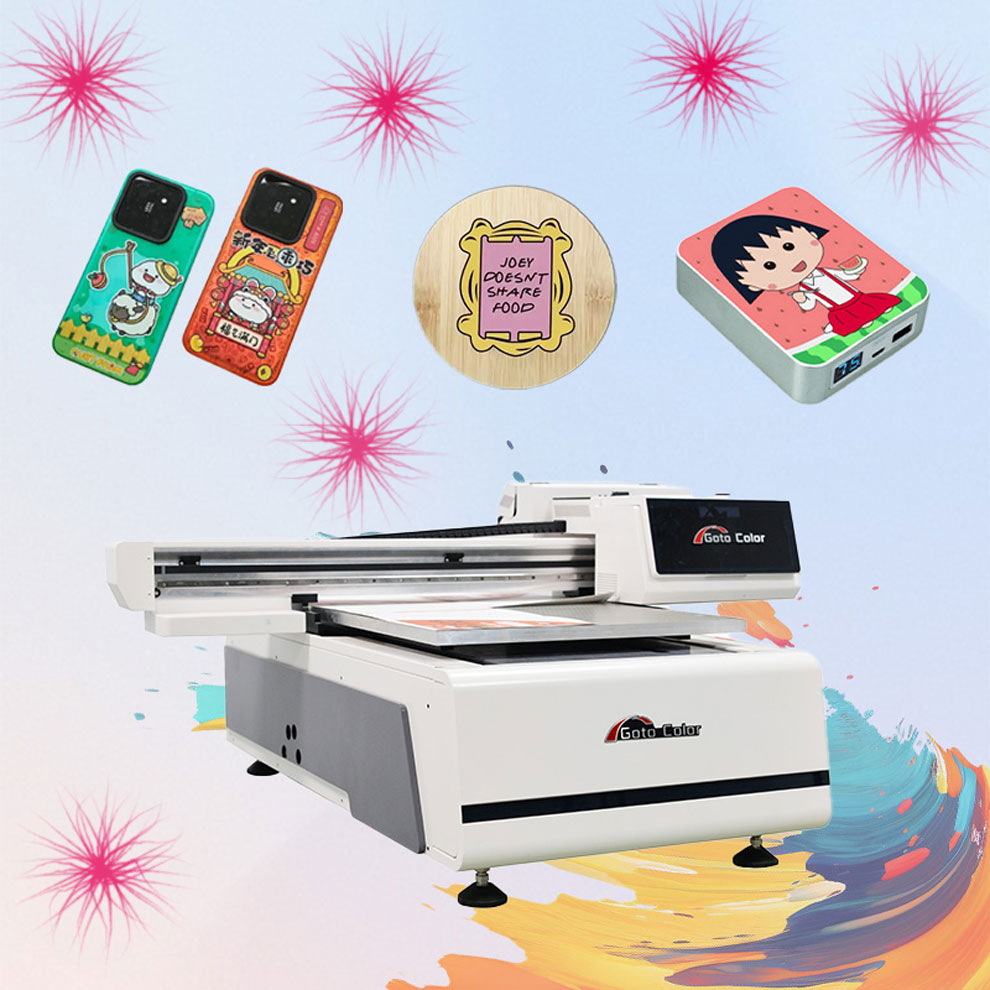
A UV flatbed printer deposits tiny droplets of UV-curable ink directly onto a stationary surface. Integrated UV LED lamps then instantly cure this ink as it lands, turning the liquid into a solid within milliseconds. Because drying is instantaneous, prints come off the bed ready for finishing, cutting, or packaging without typical solvent drying delays. This makes UV flatbed printing significantly faster than many traditional methods.
The flatbed format allows you to print directly on rigid materials such as acrylic, PVC, wood, glass, and metal — opening opportunities for custom signage, personalized gifts, packaging panels, and decorative items.
Why Material Flexibility Matters
One of the standout advantages of UV flatbed technology is its broad substrate compatibility. Because UV LEDs cure inks without generating high heat, these printers can handle a wide range of both hard and heat-sensitive materials. This lets businesses offer creative, customized products that would otherwise require separate technologies or outsourcing.
Direct print capabilities also mean that setup costs are very low: unlike traditional screen or pad printing, no plates, screens, or molds need to be prepared. That makes small runs and one-off items economically feasible and reduces idle time between jobs.
Key Technical Elements That Elevate Print Quality
Successful UV flatbed printing depends on several critical components:
-
UV LED Curing: Instant ink polymerization leads to smudge-free output and minimal post-processing. UV LEDs also run cooler and use less energy than older lamp technologies, which makes them safer for fragile or heat-sensitive materials.
-
Precision Printheads: Variable droplet size and high-resolution print control produce crisp lines, smooth gradients, and rich colors. Advanced printhead systems maintain consistency even at higher speeds.
-
Vacuum or Clamping Systems: These hold media flat and stable, preventing print distortion or banding. This is especially critical for large format or detailed graphics.
-
Multi-Layer Workflow: Configurations that include white ink and varnish or tactile layers expand creative options — from solid backgrounds on dark surfaces to spot gloss highlights.
Together, these features make UV flatbed printing suitable for high-end signage, decorative panels, retail displays, and premium packaging applications.
Instant Curing: A Productivity Game-Changer
Traditional inks often require air drying or heat, which introduces wait times and handling constraints. UV-curable inks, by contrast, solidify immediately under LED light, allowing items to come off the printer ready for finishing or delivery.
This instant cure not only improves throughput but also reduces waste and makes production schedules more predictable — a major advantage when fulfilling tight deadlines or managing short-run jobs.In my experience, rapid curing is one of the most transformative aspects of UV flatbed technology, especially for operations that prioritize responsiveness and customer satisfaction.
Customization Without the Usual Constraints
Because UV flatbed printing is entirely digital, switching from one design to another takes seconds rather than hours. There’s no need to change physical tooling between jobs, making it an excellent fit for:
-
Personalized gifts and promotional products
-
Small batch packaging and prototype labels
-
Interior décor with custom graphics
-
Architectural panels and specialty signage
This binds well with current market expectations: customers increasingly want unique products with short lead times, and digital UV printing can deliver that without ballooning costs.
Operational Efficiency and Total Cost of Ownership
Beyond raw print performance, modern UV flatbed systems offer features that enhance efficiency and reduce long-term costs:
-
Intelligent ink management systems that minimize waste and maintain consistent quality.
-
Advanced RIP software for streamlined job processing and color consistency.
-
Automated thickness sensing and distance control to protect printheads and accommodate varied material heights.
These capabilities help balance production speed and ink consumption — two of the biggest factors in overall operating expense.
However, it’s important to plan for ongoing maintenance and technical skill requirements: regular cleaning and calibration ensure reliability, and adequate support infrastructure (spare parts, training, troubleshooting) helps avoid costly downtime. (Industry community discussions note that poorly supported or low-cost machines can clog and fail prematurely if not maintained properly.)
Strategic Considerations Before Adopting UV Flatbed Technology
UV flatbed printing can be a transformative investment, but it’s most effective when aligned with clear production needs:
-
Demand consistency: Businesses with a steady flow of customized orders or diverse product lines get the greatest return.
-
Skill and support: Operators should be trained for media setup, RIP settings, and daily maintenance.
-
Material strategy: While flatbed printers excel on flat or slightly textured surfaces, very flexible or irregular objects may require alternative workflows.
Final Assessment
UV flatbed printing solutions offer exceptional material versatility, instant curing, and high-quality output that can elevate product offerings and operational efficiency. For businesses looking to expand into personalized products, signage, premium décor, or prototype work, this technology delivers a cost-effective path to high-value capabilities.
However, the success of this investment hinges on consistent use, proper maintenance, and integration into a solid workflow strategy. Underutilized printers or systems without supportive infrastructure often fail to deliver the expected value. Planning ahead — including training, maintenance, and production planning — is key to realizing the full potential of UV flatbed printing.
-
-
AuthorPosts
- You must be logged in to reply to this topic.