
Home › Forums › Digital UV Printing Hub › Choosing a UV Printing Machine That Delivers High-Quality Digital Print Performance
- This topic is empty.
-
AuthorPosts
-
8 January 2026 at 12:56 pm #770
Dowinsss
KeymasterChoosing a UV Printing Machine That Delivers High-Quality Digital Print Performance
Many printing businesses face common challenges: traditional processes often struggle with material limitations, slow production, or inconsistent output quality. A well-chosen UV printing machine can eliminate these bottlenecks, enabling vibrant, precise results across a wide range of substrates — from rigid board materials to flexible films — and helping businesses expand their offerings and increase efficiency.
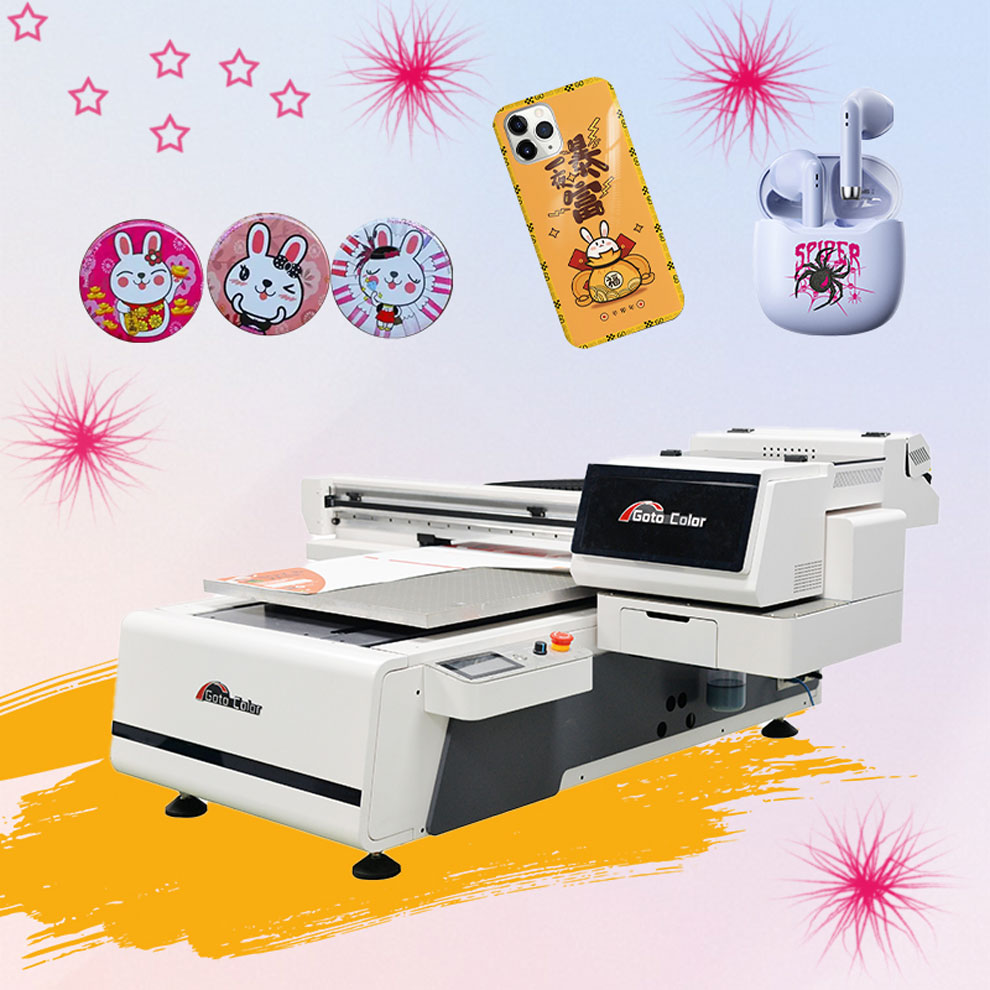
What UV Printing Machines Do and How They Work
UV printing machines use ultraviolet light to instantly cure UV-reactive ink as it lands on the material. This instant curing eliminates the need for lengthy drying steps typical of solvent or eco-solvent systems and means prints are ready for handling immediately after production. The process supports both rigid and flexible media, including acrylic, wood, metal, ceramics, PVC, glass, leather, and more.
From a practical standpoint, this technology dramatically accelerates production while maintaining high color fidelity and sharp detail — qualities essential for commercial signage, packaging, décor, or customized products. The elimination of post-processing steps also reduces labor and floor space requirements compared with older analog methods.
Different Types of UV Printing Machines and Their Uses
UV printing isn’t a single-size-fits-all technology. Key categories include:
-
Flatbed UV Printers: Best for direct printing on rigid, flat objects. The fixed bed simplifies positioning thick materials and maintains alignment accuracy.
-
Roll-to-Roll UV Printers: Designed for continuous flexible media, like vinyl, textiles, and wallpapers.
-
Hybrid UV Printers: Combine flatbed and roll-to-roll capabilities in one unit, offering flexibility for mixed workloads.
Understanding these categories helps businesses match machine capabilities with their primary applications — rigid signage, flexible graphics, or mixed jobs — and choose the form factor that best aligns with workflow needs.
What Makes UV Printing Machines Stand Out
Instant Curing and High Throughput
UV-curable inks harden immediately during printing, which dramatically shortens job turnaround and enables faster throughput without sacrificing print integrity. Because there is no reliance on solvent evaporation, prints are ready for finishing and shipment as soon as they exit the machine.
In production environments where deadlines matter, this capability directly enhances capacity and customer satisfaction. Personally, I see instant curing as one of the most impactful advantages of UV systems — especially for custom short-run or just-in-time orders.
Unmatched Material Flexibility
Unlike conventional printers that require special coatings or pre-treatments, UV machines can print directly on a wide variety of substrates, from plastics and wood to metal and glass. This opens up new revenue streams: branded merchandise, industrial graphics, architectural panels, and custom promotional products are all possible with one machine.
This versatility reduces the need for multiple dedicated printers and simplifies inventory and workflow planning.
High Image Quality and Durability
Modern UV printers deliver sharp, vibrant images with excellent detail reproduction. The cured ink forms a tough surface layer that resists fading, scratching, and moisture. This makes UV-printed products suitable for outdoor signage and industrial environments where durability is critical.
Eco-Friendly and Workflow Advantages
UV LED curing systems emit fewer volatile organic compounds (VOCs) than solvent-based technologies and require less energy, making them more environmentally friendly overall. They also tend to reduce consumable waste because only printed areas use ink.
From a business perspective, these efficiencies translate into lower operating costs and easier compliance with environmental standards.
Choosing the Right UV Printing Machine for Your Business
Selecting the right system requires careful evaluation of core features:
-
Material Compatibility: Ensure the printer can handle the substrates you use most frequently.
-
Print Resolution: Higher resolution yields finer detail and more professional results.
-
Speed vs Quality: Balance throughput needs with the level of detail required for your products.
-
Size and Bed Capacity: Choose a machine with a bed size that matches your largest print jobs.
-
Support and Maintenance: Availability of spare parts, training, and technical support directly impacts uptime and long-term performance.
A common mistake is focusing solely on price. In my view, the most economical machine is not necessarily the cheapest — reliability, supplier support, and feature set should weigh heavily in any decision.
My Perspective: Strategic Investment, Not Just Equipment
A high-quality UV printing machine is more than production hardware — it’s a strategic asset. When integrated into a business with consistent demand for printed products, it can unlock new markets, reduce dependency on external vendors, and improve both profit margins and customer satisfaction.
However, the investment makes sense only if the technology is used consistently and integrated into a deliberate workflow strategy. Underutilized printers or machines with inadequate support frequently fail to deliver the expected return on investment. Conducting a thorough needs assessment and matching machine capabilities to business goals is essential.
Summary
A top-tier UV printing machine should deliver:
-
Fast, instant curing with minimal post-processing
-
Exceptional print quality and durability
-
Broad material flexibility
-
Operational efficiency and lower long-term costs
-
Strong supplier support and service
Used wisely, this technology can elevate a printing business from commodity operation to a versatile, high-quality producer capable of competing across multiple markets.
-
-
AuthorPosts
- You must be logged in to reply to this topic.